


 Deutsch
 English
 Español
 Français
 Nederlands
 Português


 Share
Share




Urban Bike Sharing Expands to Suburban Towns
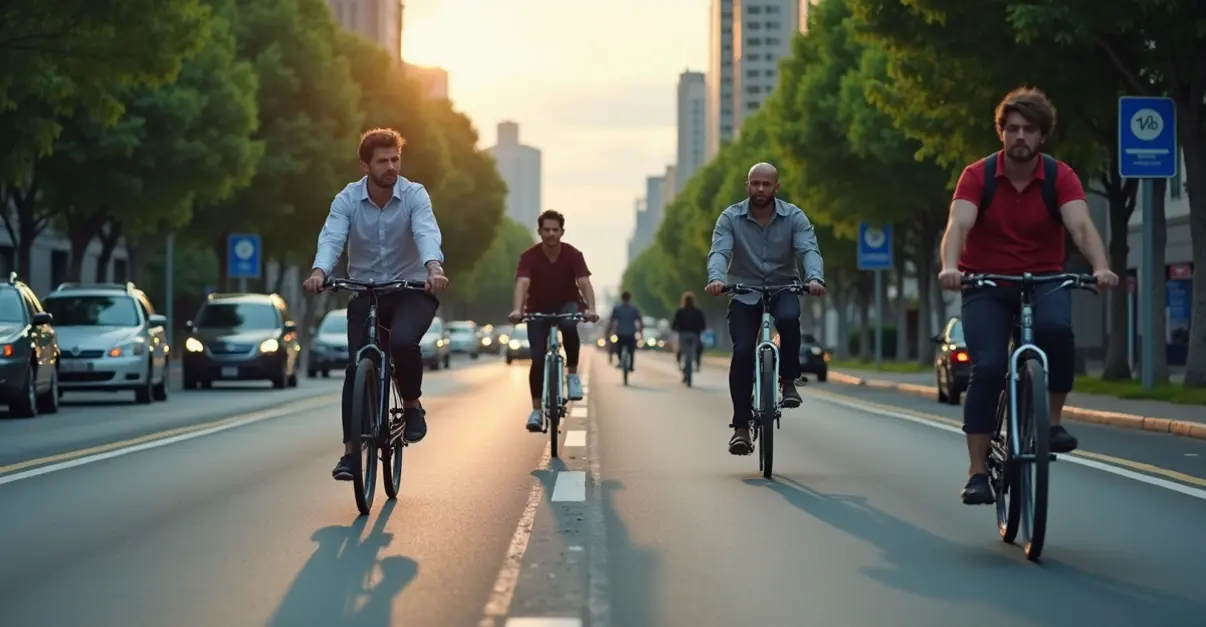
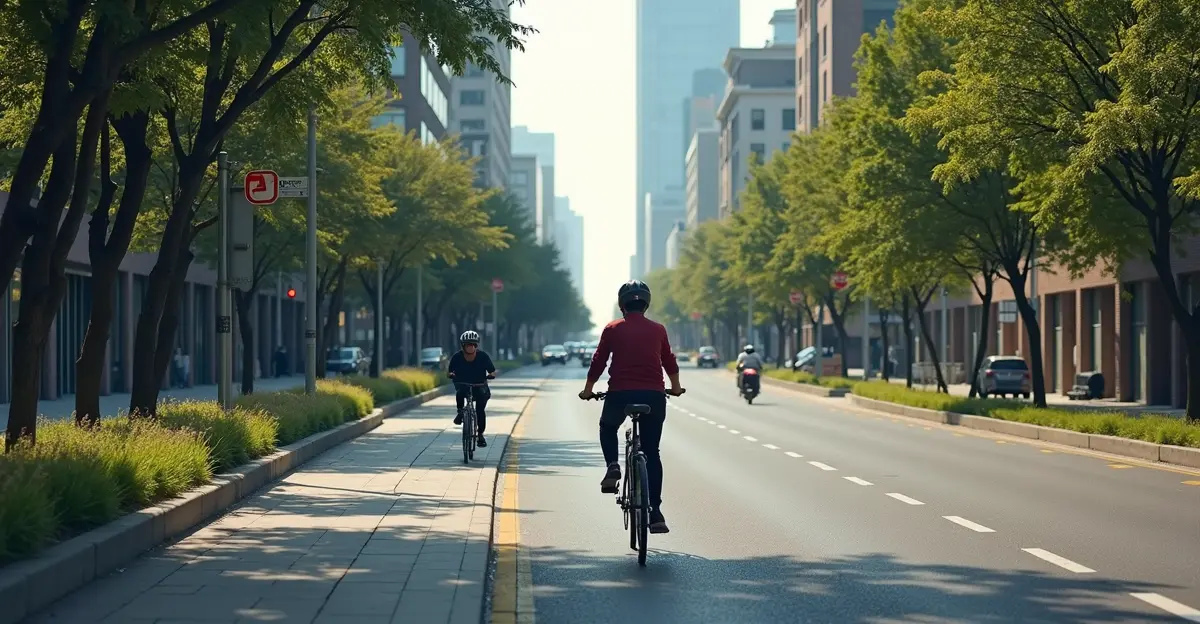
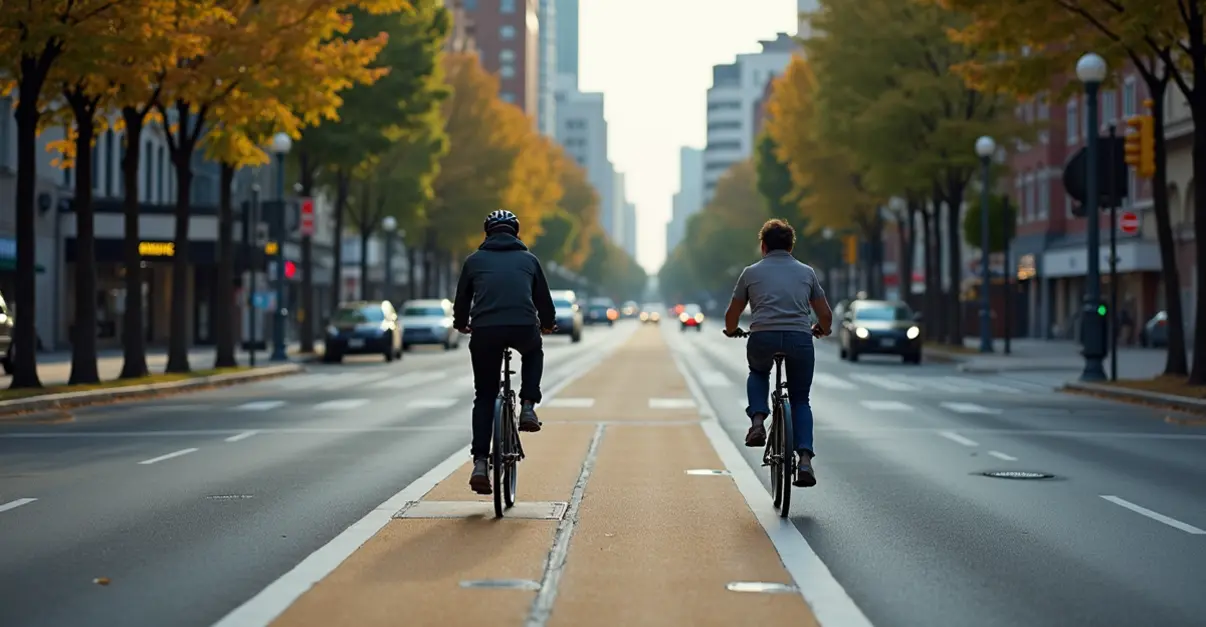
Bike sharing systems are rapidly expanding beyond city centers into suburban areas across North America and Europe. This strategic shift aims to reduce car dependency, ease traffic congestion, and promote healthier lifestyles in communities traditionally designed around automobiles.
Boston Leads Expansion Efforts
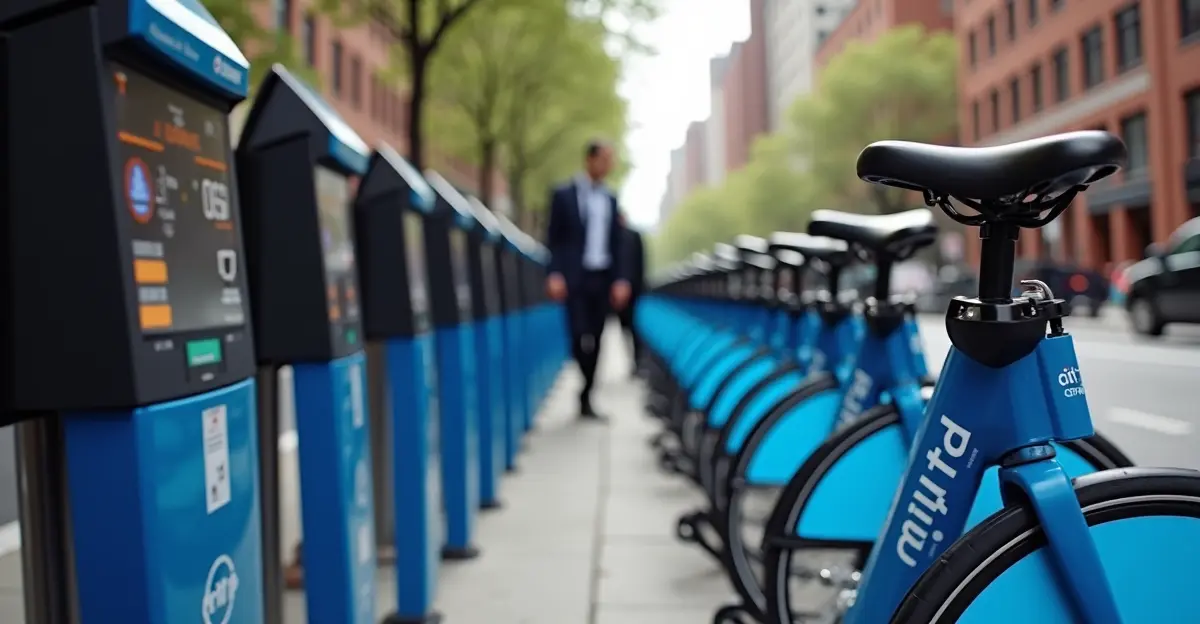
Boston's Bluebikes program exemplifies this suburban expansion trend. The city is adding 100 new stations through 2025, with recent installations in Allston, Brighton, Fenway, and Mission Hill neighborhoods. "Nearly 90% of Boston households are now within a 10-minute walk of a bike share station," according to city transportation officials.
The expansion follows a data-driven approach analyzing:
- Population density patterns
- Existing transportation gaps
- Proximity to public transit hubs
- Community feedback through surveys and town halls
How Suburban Bike Share Works
Unlike urban systems requiring dense station networks, suburban adaptations feature:
- Solar-powered docking stations in strategic locations
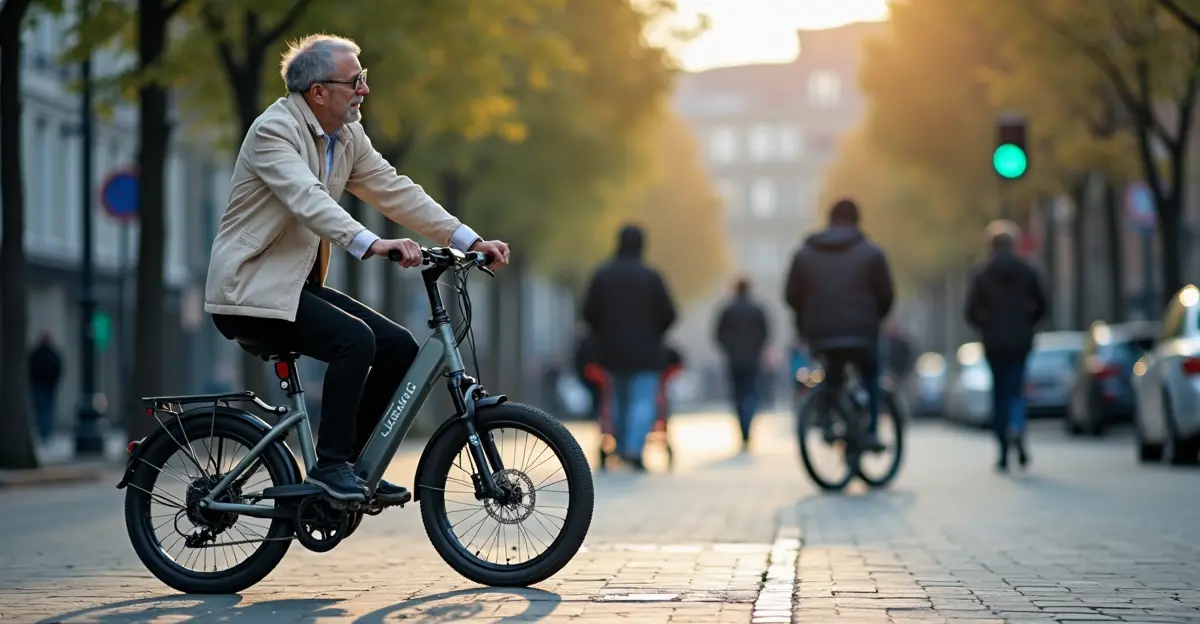
- E-bike options for longer distances
- Integration with park-and-ride facilities
- Discounted memberships for residents ($5-60/year)
Boston's Transportation Department emphasizes station visibility and solar access as critical factors. "All stations are sun-powered. Without adequate sunlight, they won't function," noted a city planner during recent community consultations.
Health and Environmental Impacts
Medical studies consistently show cycling benefits:
- 30 minutes daily reduces heart disease risk by 50%
- Cyclists have 40% lower carbon footprints than drivers
- Bike commuters report lower stress levels
"This isn't just about transportation—it's about building healthier communities," says public health specialist Dr. Elena Rodriguez. "Each bike trip replaces car emissions while improving cardiovascular health."
Future Growth Projections
By 2026, industry analysts predict:
- 45% growth in suburban bike share systems
- Tripling of e-bike fleets
- Integration with public transit apps
- Expansion to 500+ new municipalities
Chicago's Divvy system recently expanded service areas, while Paris plans to add 5,000 suburban Vélib' stations by 2027. As Boston's project manager Carlos Mendez observes: "We're not just installing bike docks—we're reimagining how suburbs move."

Follow Discussion