


 Deutsch
 English
 Español
 Français
 Nederlands
 Português


 Share
Share




Climate Change Creates Mismatch Between Flowers and Pollinators
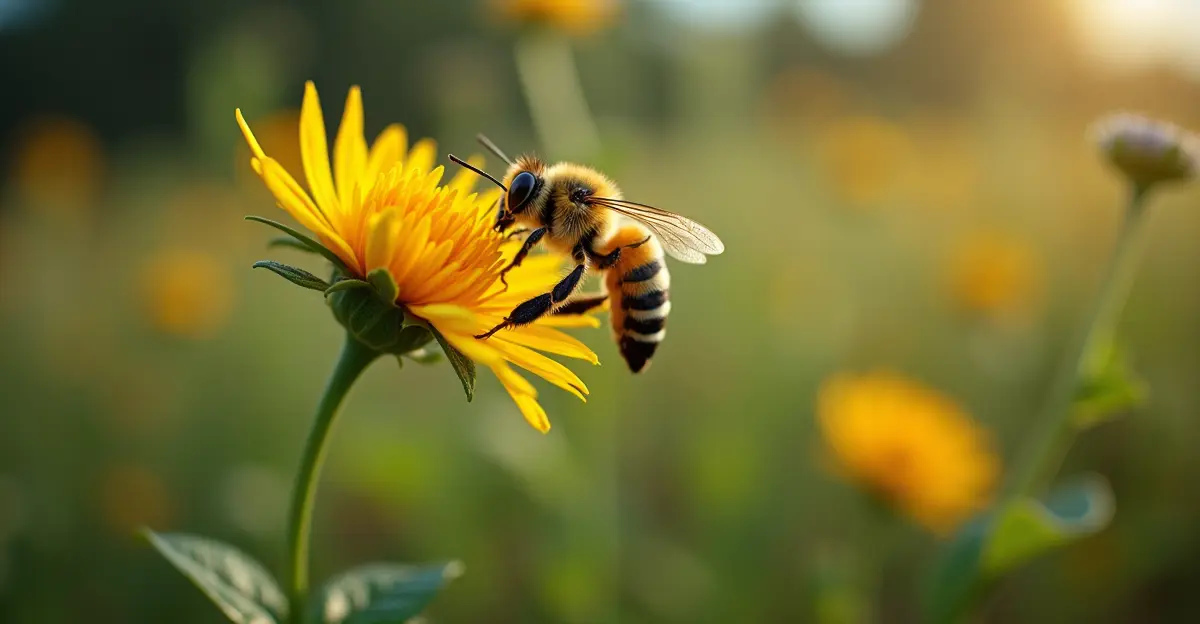
New research spanning the last two decades reveals alarming shifts in spring phenology—the timing of seasonal biological events—that are creating dangerous mismatches between flowering plants and their pollinators. As climate change accelerates, flowers are blooming earlier while many pollinator species struggle to keep pace, threatening ecosystem stability and food security.
20 Years of Data Shows Growing Disconnect
Analysis of phenological records from 2005 to 2025 demonstrates that spring events are occurring approximately 2-3 days earlier per decade across temperate regions. Flowers like cherry blossoms, apple blossoms, and early spring bulbs are emerging up to three weeks earlier than they did just 20 years ago. Meanwhile, many bee species, butterflies, and other pollinators are not adjusting their emergence schedules at the same rate.
The Consequences of Timing Mismatches
When flowers bloom before pollinators are active, plants may fail to reproduce effectively, leading to reduced fruit and seed production. This phenomenon particularly affects specialized plant-pollinator relationships where species have evolved tight synchronization. The mismatch can reduce biodiversity as plants that cannot adapt quickly enough may decline or disappear from ecosystems.
Global Implications for Food Security
Approximately 75% of global food crops depend at least partially on animal pollinators. The phenological mismatch threatens crop yields for fruits, vegetables, and nuts that require specific pollination timing. Farmers are already reporting inconsistent fruit set in orchards and reduced yields in crops that depend on precise timing between bloom and pollinator activity.
Research Methods and Findings
Scientists use various methods to track phenological changes, including satellite imagery, field observations, and citizen science programs. The data shows that temperature is the primary driver of these shifts, with warmer springs triggering earlier biological activity. However, different species respond to temperature cues differently, creating the observed mismatches.
Conservation and Adaptation Strategies
Researchers recommend several approaches to address phenological mismatches: preserving diverse pollinator habitats, maintaining connectivity between natural areas, and potentially assisted migration of pollinator species. Some conservationists suggest creating "phenological corridors" that allow species to move and adapt to changing conditions.
As climate change continues to alter seasonal patterns, understanding and addressing phenological shifts becomes increasingly critical for maintaining healthy ecosystems and ensuring food production stability.

Follow Discussion