


 Deutsch
 English
 Español
 Français
 Nederlands
 Português


 Share
Share




The Hidden World Beneath Our Feet
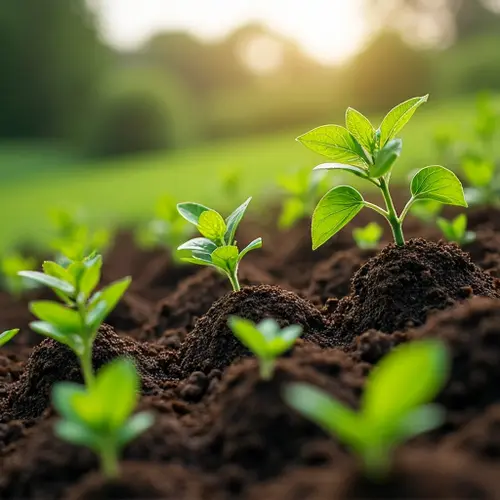
Farmers and researchers are discovering that the secret to healthier crops and more sustainable agriculture lies not in chemical inputs, but in the complex microbial networks thriving beneath the soil surface. Recent studies show that cover crops—plants grown between cash crop seasons—are creating a soil microbiome boom that's revolutionizing agricultural productivity.
The Microbial Metropolis
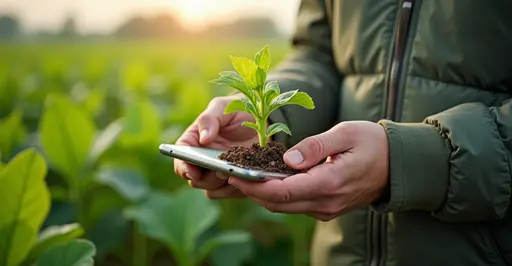
Soil isn't just dirt—it's a living ecosystem teeming with billions of microorganisms. A single teaspoon of healthy soil contains more microbes than there are people on Earth. These microscopic organisms include bacteria, fungi, protozoa, and nematodes that form intricate networks supporting plant growth.
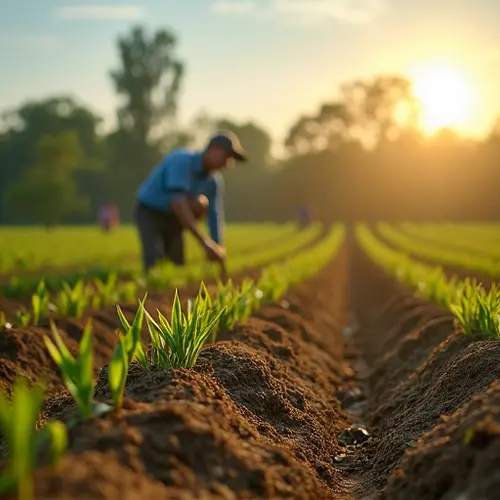
Cover crops like clover, rye, and vetch act as microbial superfoods, providing continuous organic matter that feeds soil life year-round. When farmers plant cover crops instead of leaving fields bare, they're essentially keeping the soil's microbial workforce employed and productive.
Research Breakthroughs
Recent 2025 studies from agricultural research institutions demonstrate remarkable findings. Fields using diverse cover crop mixtures showed:
- 45% increase in beneficial soil bacteria populations
- 62% higher fungal network development
- 38% improvement in nutrient cycling efficiency
- 27% higher crop yields in subsequent seasons
The Network Effect
Mycorrhizal fungi—the internet of the soil—form symbiotic relationships with plant roots, extending their reach and helping plants access water and nutrients. Cover crops enhance these fungal networks, creating underground highways that connect plants and facilitate nutrient exchange.
"It's like building soil infrastructure," explains Dr. Sarah Chen, soil microbiologist at the Agricultural Research Institute. "Cover crops provide the building materials that allow microbial communities to construct more efficient nutrient delivery systems."
Real Farm Results
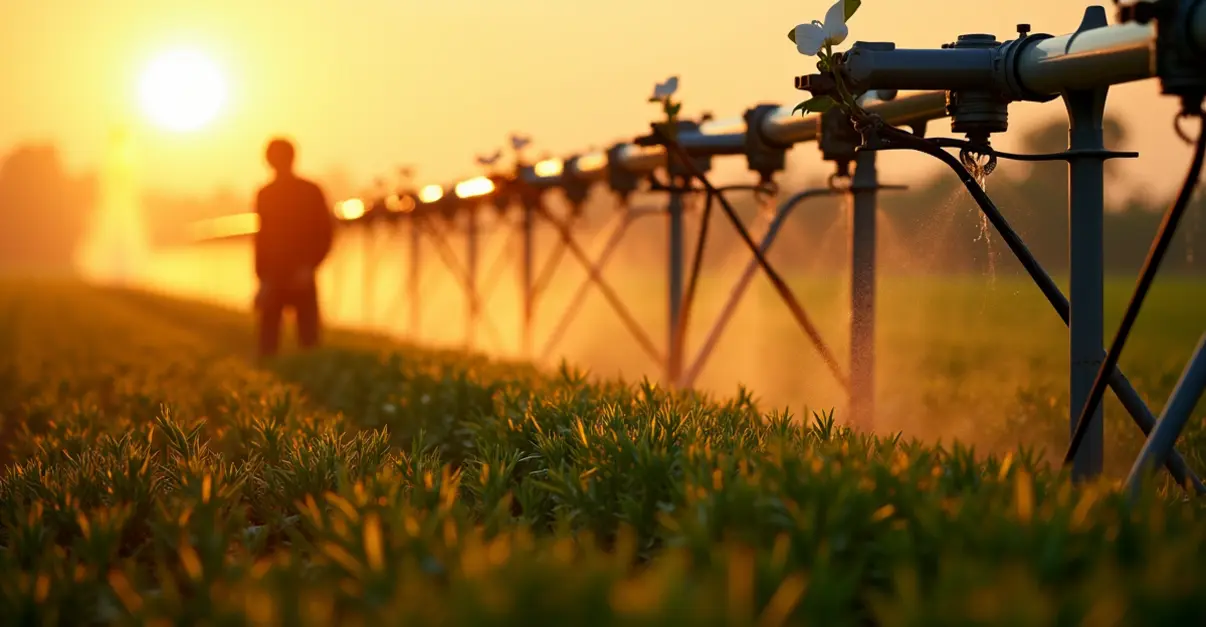
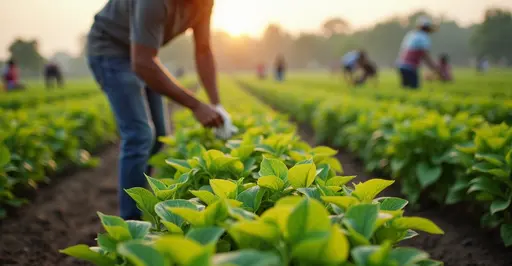
Midwestern corn and soybean farmers report significant benefits after adopting cover cropping systems. Many have reduced fertilizer use by 20-30% while maintaining or increasing yields. The improved soil structure also enhances water retention, reducing irrigation needs during drought conditions.
"The soil feels different—more alive," says veteran farmer Mark Johnson. "We're seeing better root development, healthier plants, and fewer pest problems. The microbial activity is literally visible in the soil structure."
Climate Resilience Benefits
Beyond yield improvements, the soil microbiome boom contributes to climate resilience. Healthy microbial communities increase carbon sequestration, helping mitigate climate change. The improved soil structure also reduces erosion and enhances water infiltration during heavy rainfall events.
As regenerative agriculture practices gain momentum, the understanding of soil microbiomes continues to evolve. New DNA sequencing technologies allow researchers to map microbial communities with unprecedented detail, revealing how specific cover crop combinations optimize different aspects of soil health.
The future of farming may well depend on nurturing these microscopic allies beneath our feet, proving that sometimes the smallest organisms make the biggest difference.

Follow Discussion