


 Deutsch
 English
 Español
 Français
 Nederlands
 Português


 Share
Share




The Buzz on Insect Protein Powders
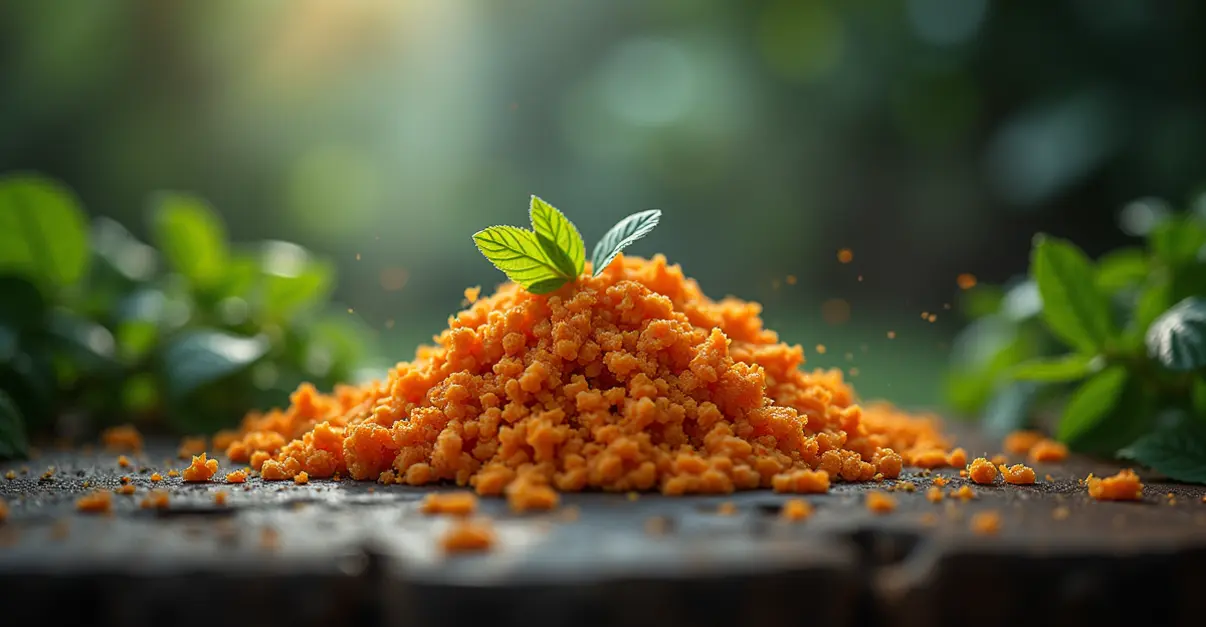
As climate concerns grow, cricket flour and mealworm powder are hitting shelves as the latest eco-friendly protein sources. With over 2,000 edible insect species consumed globally, companies are now processing crickets, black soldier flies, and mealworms into fine powders boasting 60-70% protein content.
Environmental Benefits
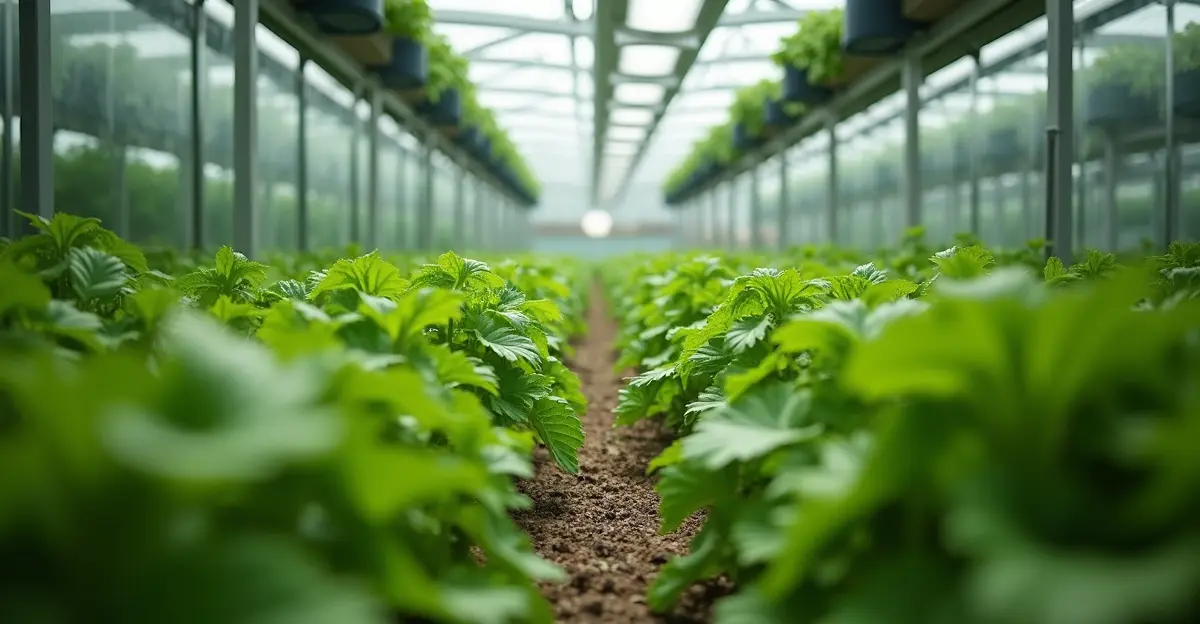
Insect farming uses 90% less land and water than traditional livestock. Crickets require just 2kg of feed to produce 1kg of protein compared to cattle's 25kg. A 2023 study found insect farming emits 100x less greenhouse gases than beef production. "They're nature's upcyclers," says entomologist Dr. Evan Parker. "Black soldier flies thrive on food waste that would otherwise go to landfills."
Nutritional Powerhouses
These powders pack complete proteins with all essential amino acids plus iron, B12, and prebiotic fiber. Cricket powder contains 65% protein by weight – higher than whey – and is rich in omega-3s. The European Food Safety Authority approved house crickets and mealworms for human consumption in 2021, accelerating market growth.
Market Challenges
Despite projections of a $3 billion market by 2030, Western acceptance remains low. "The 'ick factor' is real," admits nutritionist Lisa Chen. Brands like Entomo Farms mask flavors in smoothie boosters and protein bars. Regulatory hurdles also persist, with novel food approvals taking up to 18 months in the EU.
The Verdict
While scaling remains challenging, the UN FAO endorses insects as critical for food security. As processing tech improves, these six-legged protein sources may soon crawl from niche to mainstream.




Follow Discussion