


 Deutsch
 English
 Español
 Français
 Nederlands
 Português


 Share
Share




India's Russian Oil Imports: Complete Guide to 2026 Sanctions & Energy Strategy
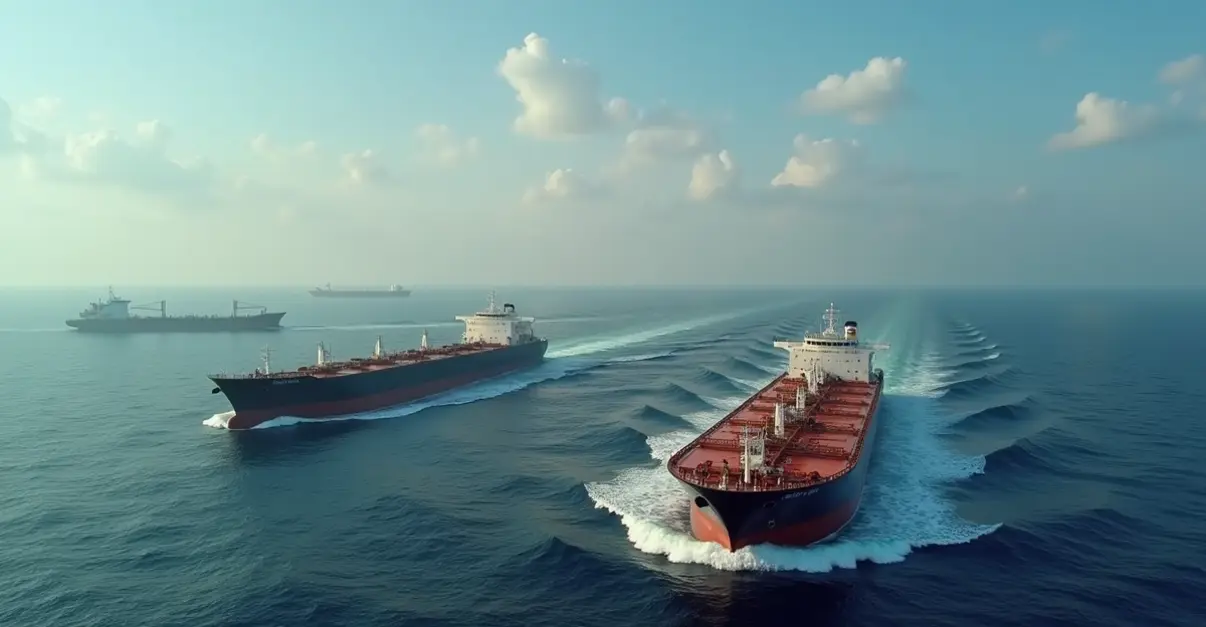
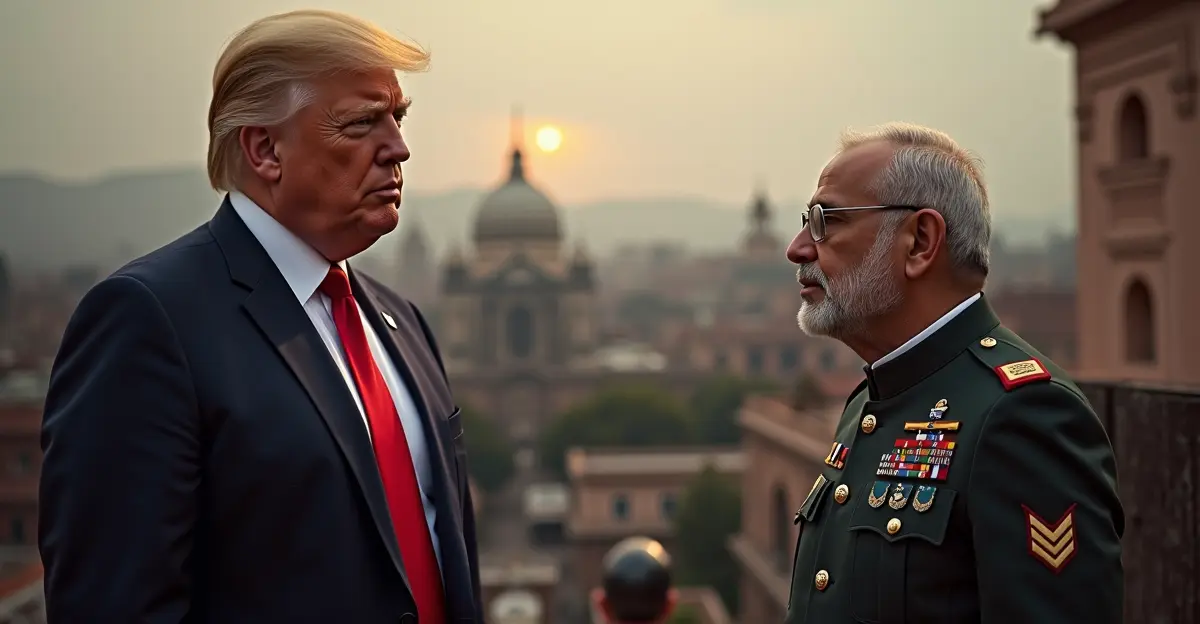
India has declared it will continue importing Russian oil despite US sanctions, emphasizing that New Delhi requires 'no permission from any country' to secure its energy needs. This bold statement comes as the United States granted a 30-day temporary waiver allowing Indian refiners to purchase Russian crude oil already stranded at sea, highlighting the complex geopolitics of global energy markets in 2026.
What is the US-India Russian Oil Waiver?
The United States administration under President Donald Trump has issued a 30-day temporary waiver permitting Indian refiners to purchase Russian crude oil that was already loaded on vessels before March 5, 2026. This exemption, valid through April 4, 2026, represents a significant policy shift aimed at stabilizing global oil markets amid escalating Middle East tensions. Treasury Secretary Scott Bessent described this as a 'deliberately short-term measure' that won't provide substantial financial benefit to Russia since it only involves oil already stranded at sea.
The waiver specifically allows transactions involving Russian oil already in transit, requiring delivery to occur at Indian ports with Indian entities as purchasers. This move follows earlier US punitive tariffs on India over Russian oil purchases, which were lifted after India pledged to increase imports of American energy products as part of a broader trade agreement.
India's Energy Independence Declaration
'India has never been dependent on permission from any country to buy Russian oil,' stated the Indian government in an official declaration. 'India continues to import Russian oil in February 2026, and Russia remains our largest supplier of crude oil.' This statement underscores India's commitment to energy sovereignty and strategic autonomy in foreign policy.
The Indian government emphasized that its oil purchases are determined by national interest rather than external pressure. According to official statements, India maintains substantial strategic petroleum reserves with over 250 million barrels of crude oil and petroleum products, designed to cushion against short-term supply disruptions. This approach reflects India's broader energy security strategy for its 1.4 billion population.
Russia's Position in India's Oil Imports
In February 2026, Russia maintained its position as India's top crude oil supplier, providing 1.042 million barrels per day (mb/d) out of India's total imports of approximately 106 mb/d. This represents approximately 25-30% of India's total crude imports. Key statistics include:
- Indian Oil Corporation (IOC) was the largest buyer at 0.378 mb/d
- Reliance Industries Limited (RIL) began importing Russian crude for the first time at 0.125 mb/d
- Saudi Arabia emerged as second-largest supplier with 1.009 mb/d
- Iraq ranked third with 0.981 mb/d
Despite US pressure and sanctions targeting Russian energy firms, India's diversified sourcing strategy has allowed it to maintain energy security while navigating complex international relations. The country has gradually shifted toward traditional West Asian suppliers, increasing imports from Iraq and Saudi Arabia over the past three months as part of its risk mitigation approach.
Global Oil Market Context
The waiver comes amid significant volatility in global oil markets, with prices surging above $100 per barrel for the first time since 2022. Brent crude reached $119.50 and West Texas Intermediate hit $119.48, representing 36% and 42% increases respectively since the US-Israeli war with Iran began on February 28, 2026. The conflict has disrupted supplies through the strategic Strait of Hormuz, which handles 20% of global oil exports.
President Trump has threatened to take control of the Strait of Hormuz and warned that only Iran's 'unconditional surrender' could end the Middle East conflict. These developments have created unprecedented uncertainty in global energy markets, prompting the US to reconsider its sanctions approach to prevent sustained oil price spikes ahead of midterm elections.
Strategic Implications and Future Outlook
The temporary waiver represents a pragmatic recognition of geopolitical realities by the US administration. Middle East conflicts, including Iran's blockade of the Strait of Hormuz and attacks on Gulf refineries, threaten India's traditional Gulf oil suppliers who account for over half of its imports. This disruption has caused India's crude prices to spike 24% in early March 2026, highlighting the country's vulnerability to regional instability.
Analysts suggest that Russian crude flows to India may endure due to the reliability of Russian export routes and India's need for energy security amid regional instability. While India had been reducing Russian crude imports from 30% to 19.4% by January 2026 under US pressure, the current geopolitical landscape has forced a reassessment of energy partnerships. The global energy transition continues to influence these strategic calculations, with India balancing economic growth, energy security, and international relations.
Looking ahead, the US Treasury Department is considering further easing of sanctions on Russian oil already at sea to increase global supply. This potential policy shift reflects the complex interplay between sanctions enforcement, energy market stability, and geopolitical strategy in an increasingly multipolar world order.
Frequently Asked Questions
How long is the US waiver for Indian purchases of Russian oil?
The waiver is valid for 30 days, from March 2026 through April 4, 2026, allowing Indian refiners to purchase Russian crude oil already loaded on vessels before March 5.
Why does India continue buying Russian oil despite sanctions?
India prioritizes energy security for its 1.4 billion population and maintains that its oil purchases are determined by national interest. Russia offers reliable supply routes and competitive pricing, making it a strategic energy partner.
What percentage of India's oil imports come from Russia?
In February 2026, Russia accounted for approximately 25-30% of India's total crude oil imports, supplying 1.042 million barrels per day.
How has the Middle East conflict affected India's oil strategy?
The conflict has disrupted supplies through the Strait of Hormuz, threatening India's traditional Gulf suppliers and prompting diversification of energy sources, including continued reliance on Russian crude.
What are India's strategic petroleum reserves?
India maintains over 250 million barrels of crude oil and petroleum products in strategic reserves, designed to cushion against short-term supply disruptions and ensure energy security.



Follow Discussion