


 Deutsch
 English
 Español
 Français
 Nederlands
 Português


 Share
Share




New Zero-Emission Tram Line Marks Major Step in Sustainable Transport
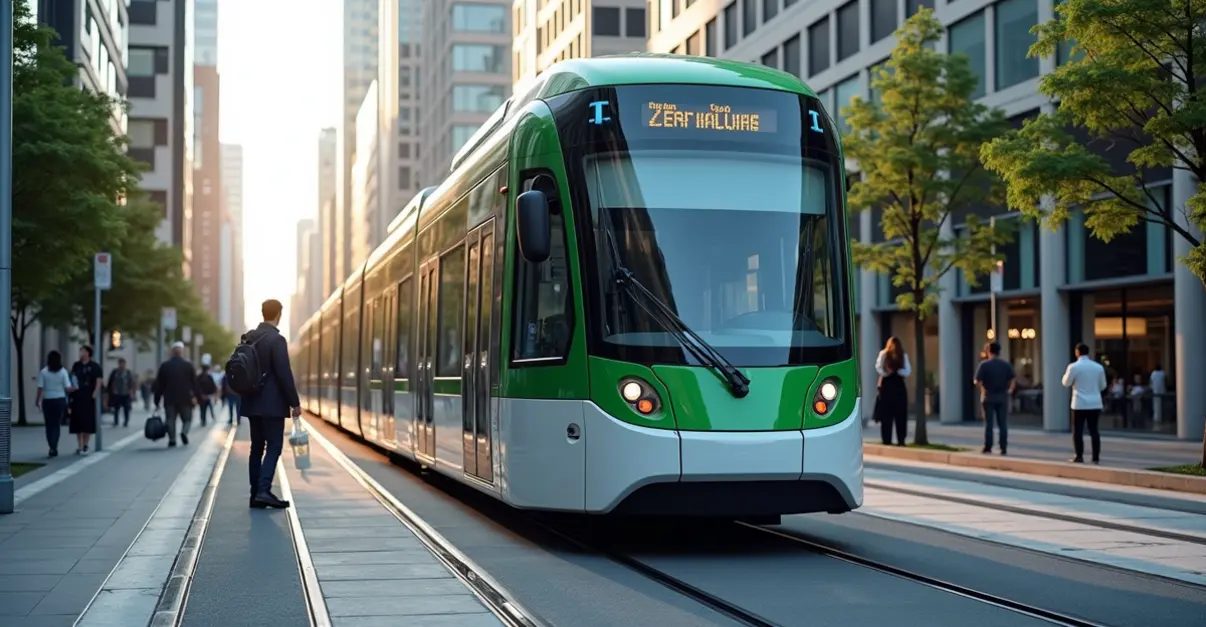
In a significant move toward greener urban mobility, a new zero-emission tram line has been officially inaugurated, with city officials announcing that innovative energy supply infrastructure is already changing ridership forecasts and expansion plans. The project represents a major investment in sustainable public transport that combines cutting-edge technology with practical urban planning.
Energy Supply Depot Revolutionizes Operations
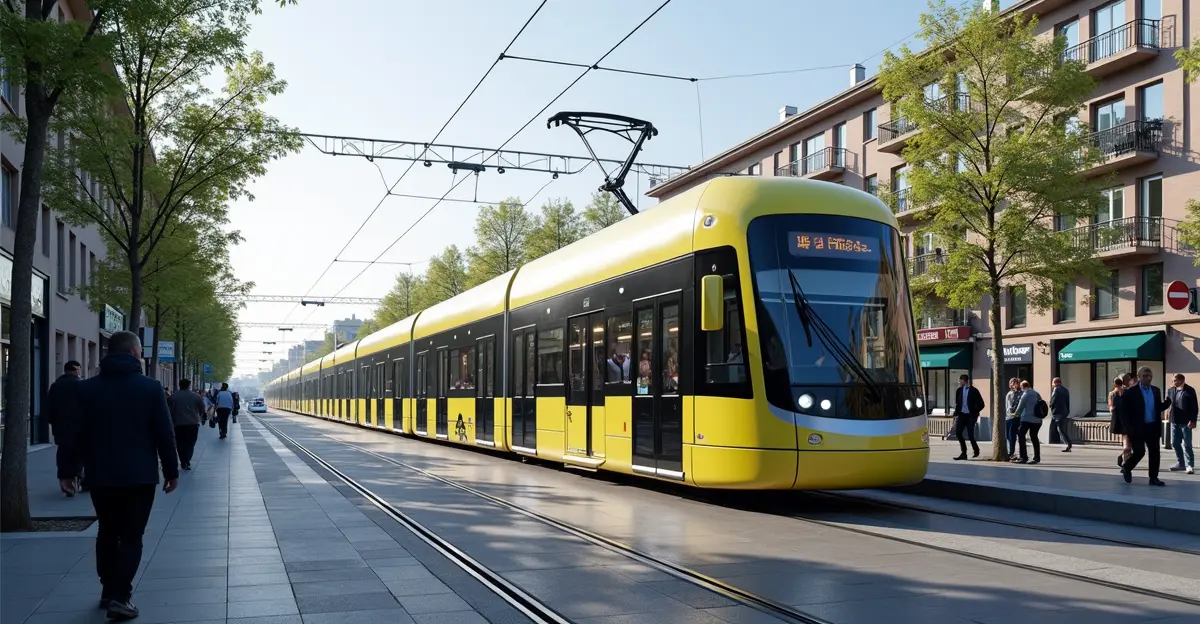
The newly inaugurated tram line features a state-of-the-art energy supply depot that has become the cornerstone of the system's success. Unlike traditional tram systems that rely on overhead wires, this system utilizes advanced charging technologies including ground-level power supply systems and rapid charging stations at stops. 'The energy depot allows us to operate trams without the visual clutter of overhead wires while providing reliable, clean power,' explained Mei Zhang, the project's lead engineer.
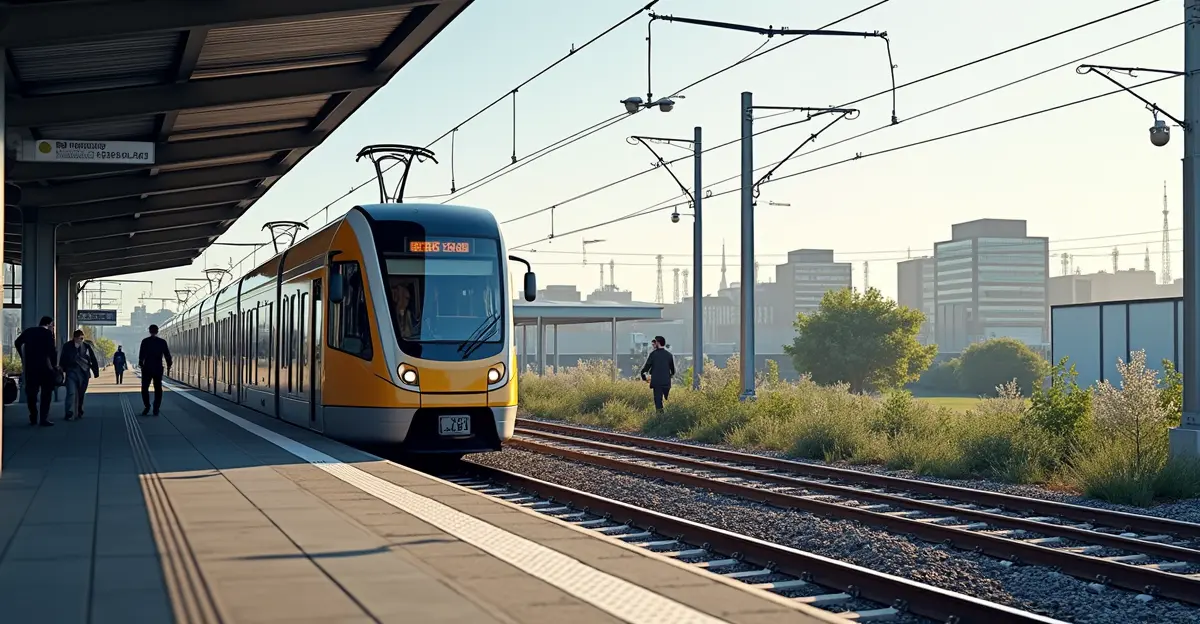
The depot incorporates Alstom's Static Recharging System (SRS) technology, which enables 20-second recharges during normal passenger stops. This innovative approach eliminates the need for extensive overhead infrastructure while maintaining continuous operation. According to recent industry reports, similar systems in European cities have demonstrated remarkable efficiency gains.
Ridership Exceeds Expectations
Initial ridership numbers have surprised even the most optimistic planners. 'We projected moderate growth, but the actual numbers are 25% above our forecasts,' said transportation director Maria Chen. 'The combination of zero-emission technology, modern vehicles, and reliable service has attracted riders who previously used private cars.'
The environmental benefits are substantial. Modern electric trams emit only 20.2 grams of CO2 per person per kilometer compared to 243.8 grams for cars, according to transportation studies. This dramatic reduction in emissions aligns with global efforts to combat climate change and improve urban air quality.
Expansion Plans Accelerated
The unexpected success has prompted city officials to accelerate expansion plans. Originally scheduled for phased implementation over five years, the tram network expansion will now proceed more rapidly. 'The energy depot's capacity allows us to support more trams than we initially planned,' noted Zhang. 'We're looking at expanding to three additional corridors within the next two years instead of four.'
The global context supports this accelerated timeline. The energy storage tram market is valued at $24.75 billion in 2025 with 9.2% projected growth through 2033, driven by initiatives like the European Union's Green Deal which requires 30% of buses and trams to be zero-emission by 2025.
Technological Innovation at Core
The tram system represents more than just transportation infrastructure—it's a showcase of sustainable technology. The vehicles feature low-floor designs for universal accessibility, advanced battery systems for energy storage, and smart routing technology that optimizes energy use. 'This isn't just about moving people from point A to point B,' said environmental consultant Dr. James Wilson. 'It's about demonstrating that zero-emission public transport can be practical, efficient, and popular.'
The project follows global trends seen in cities like Busan, South Korea, which recently committed ₩724 billion (approximately $724 million) to launch that country's first hydrogen-powered zero-emission tram line, as reported by industry sources.
Community Impact and Future Vision
Local residents have responded enthusiastically to the new service. 'I used to drive to work every day, but now I take the tram,' said regular commuter Sarah Johnson. 'It's quiet, clean, and I arrive relaxed instead of stressed from traffic.'
City planners are already considering how the tram system integrates with broader urban development. The energy depot's success has sparked discussions about creating similar infrastructure for electric buses and other public vehicles. As transport experts note, trams are experiencing a global resurgence as sustainable urban transport solutions, with the market expected to reach over USD 2 billion by 2028.
The inauguration of this zero-emission tram line represents more than just another transportation project—it signals a fundamental shift toward sustainable urban mobility that balances environmental responsibility with practical transportation needs. With ridership exceeding expectations and expansion plans accelerating, the system serves as a model for cities worldwide seeking to reduce emissions while improving public transport.


Follow Discussion