


 Deutsch
 English
 Español
 Français
 Nederlands
 Português


 Share
Share




Global Climate Summit Strengthens Coal Phase-Out Commitments
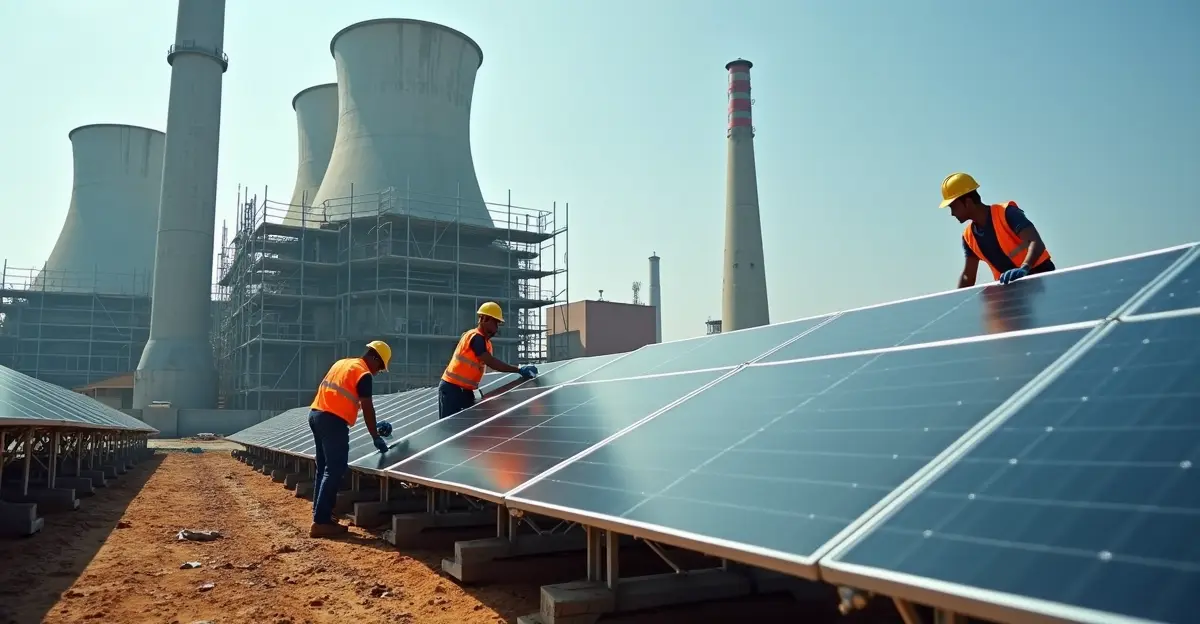
In a landmark development for global climate policy, world leaders and energy ministers have reaffirmed ambitious coal phase-out timelines while unveiling comprehensive financing mechanisms to support the transition. The summit, which concluded this week, represents a significant step forward in the global effort to move away from fossil fuels, with particular focus on supporting developing economies through their energy transitions.
'This isn't just about shutting down coal plants—it's about building new energy systems that create jobs and economic opportunities,' said climate finance expert Dr. Maria Rodriguez, who participated in the summit discussions. 'The financing plans announced today recognize that we need to support communities through this transition, not just power plants.'
Financing Mechanisms Take Center Stage
The summit introduced several innovative financing approaches designed to accelerate coal phase-out while addressing economic concerns. Key among these is the expansion of the Coal-to-Clean Initiative, which proposes financial re-gearing and loan extensions to reduce the need for concessional funding from multilateral development banks. According to World Economic Forum analysis, this approach has shown promising results in pilot programs, offering asset owners early payouts of 20-40% of a plant's remaining value to encourage early transitions.
Transition credits emerged as another critical tool, designed to provide financial incentives for retiring coal plants early and replacing them with renewable energy sources. The IEEFA report highlights how these credits could bridge the gap between the costs of early coal plant retirement and the investment needed for renewable energy projects.
Just Energy Transition Partnerships at a Crossroads
The summit addressed the challenges facing Just Energy Transition Partnerships (JETPs) following the recent U.S. withdrawal from these climate finance agreements. Originally launched in 2021 to support South Africa, Indonesia, Vietnam, and Senegal in their clean energy transitions, JETPs now face fundamental questions about their future direction.
'The U.S. withdrawal creates a significant funding gap, but it also forces us to rethink how these partnerships should work,' noted energy policy analyst James Chen. 'We're seeing a shift toward more flexible, country-specific approaches that balance emissions reduction with economic development goals.'
According to Carnegie Endowment analysis, the core dilemma for JETPs is whether to focus narrowly on emissions reduction through coal plant decommissioning or pursue broader economic transformation toward green energy ecosystems.
Employment and Community Support Measures
A significant portion of the summit focused on employment measures and community support programs. Recognizing that coal phase-out affects not just energy systems but entire communities, leaders emphasized the need for comprehensive transition plans that include job retraining, economic diversification, and social safety nets.
The International Energy Agency estimates that financing the transition away from coal requires massive clean energy investment, averaging $960 billion annually from 2023-2030. Private finance is expected to play a key role, with over half of funding anticipated from the private sector, 35% from state-owned enterprises, and 15% from public funds.
'We cannot leave coal communities behind in this transition,' emphasized labor union representative Sarah Johnson. 'The employment measures discussed here represent a crucial step toward ensuring that workers and their families have viable economic futures beyond coal.'
Global Phase-Out Timelines and Commitments
The summit reinforced existing coal phase-out commitments while encouraging more ambitious timelines. According to Global Energy Monitor data, 32 coal-burning countries are now part of the Powering Past Coal Alliance, committing to specific phaseout dates. Countries have varying levels of ambition, with some like Belgium having already retired all coal capacity, while others like India target carbon neutrality by 2070.
Notably, the summit highlighted the upcoming First International Conference for the Phase-Out of Fossil Fuels scheduled for April 2026 in Colombia. This landmark conference, announced during the UN General Assembly, will provide a global platform for countries to cooperate on strategies to phase out oil, gas, and coal extraction.
'The Colombia conference in 2026 represents a pivotal moment for the Global South to lead energy transformation,' said Colombian Minister Irene Vélez Torres in a statement. 'This is about climate justice and ensuring that all nations have a voice in shaping our energy future.'
Challenges and Path Forward
Despite the progress, significant challenges remain. The recent COP30 in Belém, Brazil ended without any mention of fossil fuel phase-out in its final text, reflecting deep fractures in global climate diplomacy. Over 100 nations blocked language on phasing out coal, oil and gas, led by major oil-producing countries.
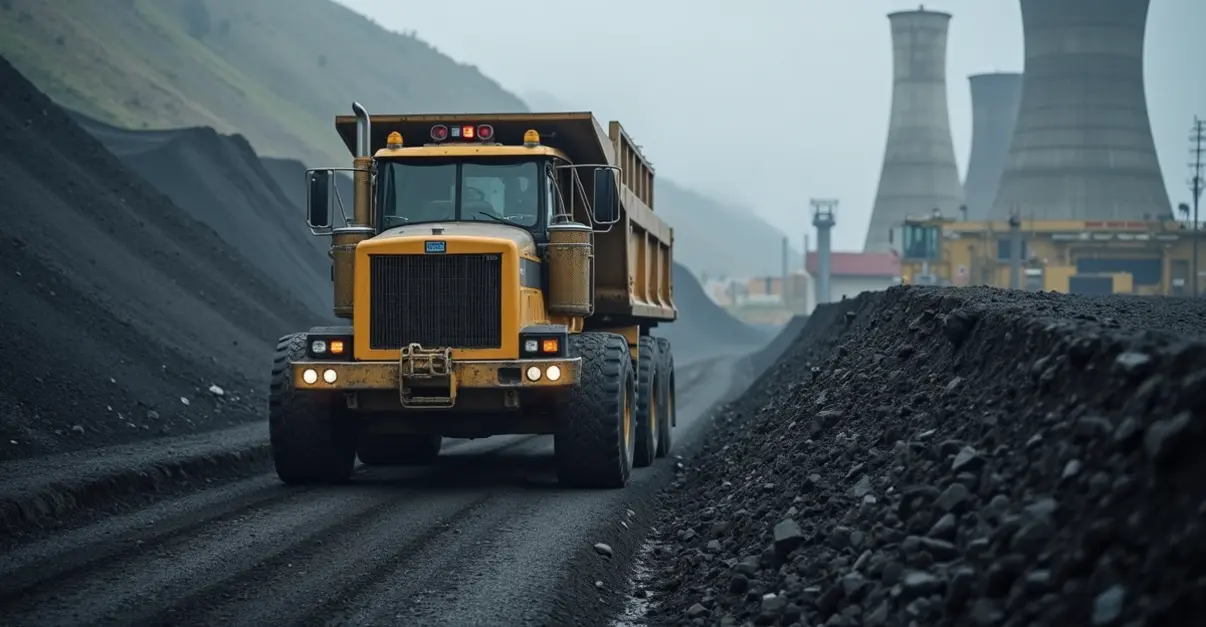
Coal currently accounts for 36% of global power generation, with higher reliance in emerging and developing economies. The transition requires not only financial resources but also political will, technological innovation, and international cooperation.
As the world moves toward the 2026 Colombia conference, the financing plans and employment measures discussed at this summit will be critical for building momentum toward a just and equitable energy transition. The success of these efforts will determine whether the world can meet its climate goals while supporting communities through one of the most significant economic transformations of our time.




Follow Discussion