Deutsch
 English
 Español
 Français
 Nederlands
 Português






Berlin Plunged Into Darkness as Extremists Target Power Grid
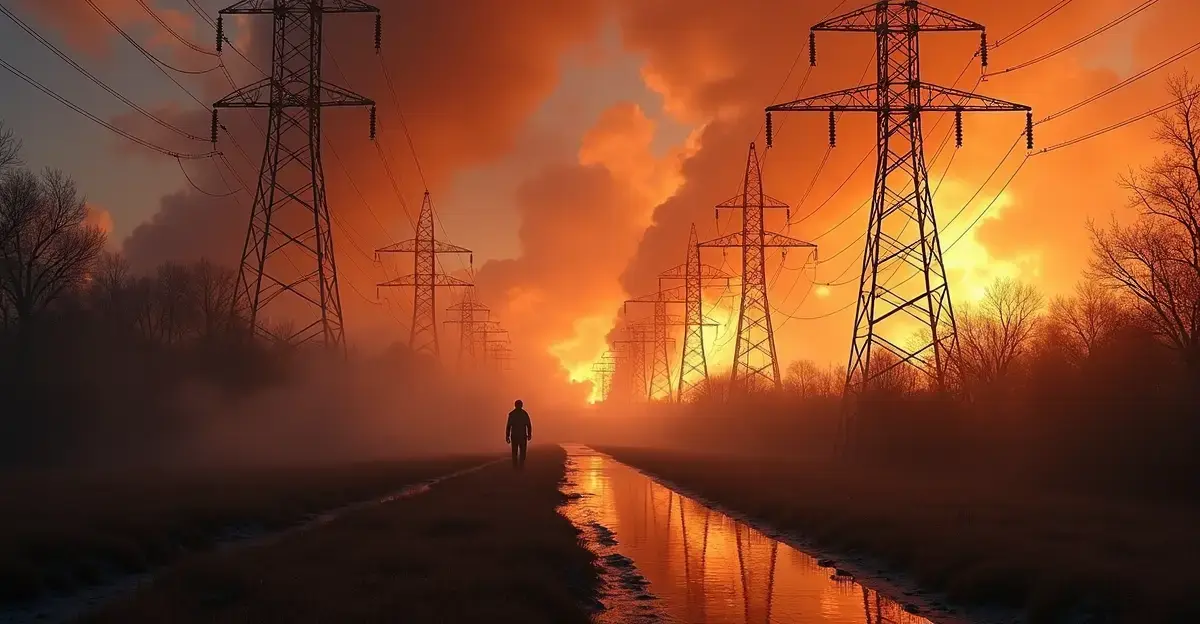
For the fourth consecutive day, tens of thousands of Berlin residents remain without electricity in freezing temperatures following what authorities describe as a terrorist attack on critical infrastructure. The left-wing extremist group Vulkangruppe has claimed responsibility for an arson attack that severely damaged high-voltage cables near the Lichterfelde power station, affecting approximately 45,000 households and 2,000 businesses across southwest Berlin districts including Zehlendorf, Wannsee, and Nikolassee.
'This Is Terrorism,' Says Berlin Mayor
Berlin Mayor Kai Wegner has unequivocally condemned the attack, stating: 'This is not just arson or sabotage—this is terrorism. The perpetrators have endangered human lives by cutting power to hospitals, care homes, and residents who rely on medical equipment.' The mayor's strong language reflects growing concern about the vulnerability of urban infrastructure to extremist attacks.
The Vulkangruppe, which translates to 'Volcano Group,' published an online statement framing their actions as resistance against what they call 'energy hunger' contributing to climate change. They also expressed opposition to artificial intelligence development, stating: 'We have limited sympathy for the many villa owners in the affected neighborhoods.' The group has a history of similar attacks, including previous incidents affecting Tesla's Gigafactory outside Berlin and causing what was described as Berlin's longest power outage since World War II.
Emergency Response and Community Solidarity
With temperatures hovering around -3°C (27°F), the situation has become increasingly dire. Emergency services have established warming centers, mobile charging stations, and temporary shelters in community centers and churches. The Emmaus Church in Zehlendorf has become a crucial hub, offering warmth, phone charging, and showers to affected residents.
Pastor Susanne Seehaus explained: 'Here people can warm up, charge their phones, and shower. We're also connecting those in need with people offering sleeping accommodations.' She expressed particular concern about vulnerable individuals who might be isolated: 'We need to go door-to-door. Some people are very frightened—we must not forget them.'
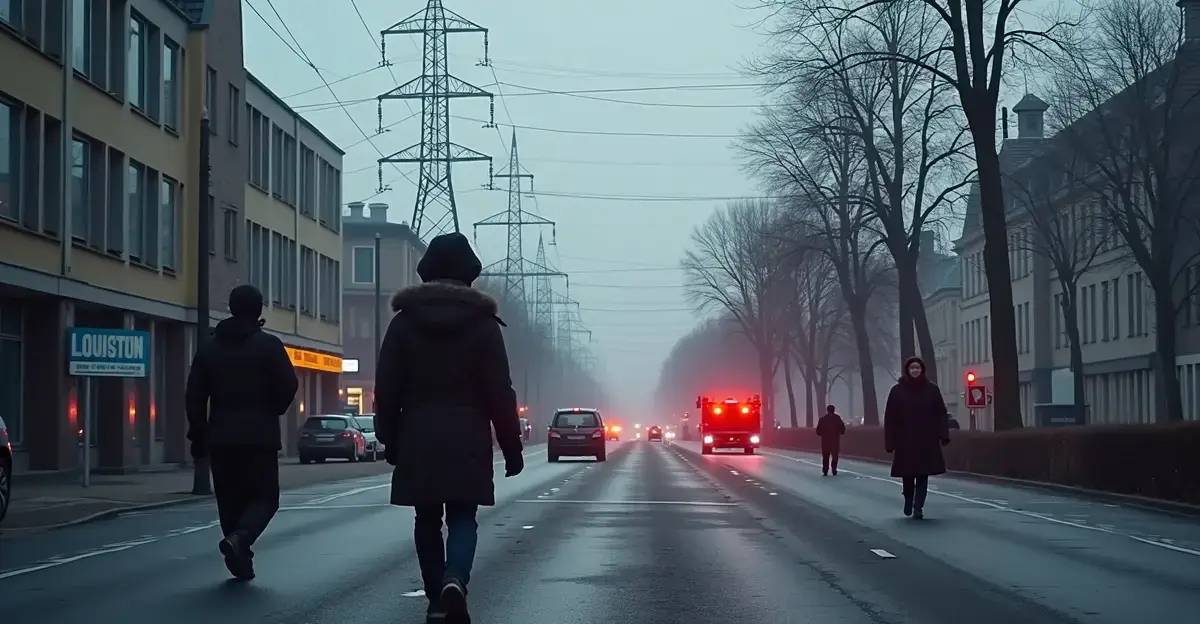
Daniel Hofmann from disaster management described the scene: 'It's the typical blackout scenario where everything has failed. There's no internet, no street lighting, and no working traffic lights.' At busy intersections, traffic has become chaotic with limited traffic controllers available.
Restoration Challenges and Political Fallout
Repair crews face significant challenges due to freezing conditions. Work must be conducted in frost-free conditions, requiring heated tents to be erected around damaged cables. Full restoration isn't expected until Thursday, leaving many residents facing nearly a week without power.
The crisis has sparked political criticism of Berlin's emergency response. When Mayor Wegner visited a 97-year-old woman in temporary shelter, an angry resident shouted: 'Why does someone have to sleep here? What's wrong with this city?' Critics argue that crisis communication has been too slow and assistance too limited.
Meanwhile, community solidarity has emerged as a silver lining. Local business owner Stefanie Neuendorf, who runs an animal store in Friedenau, has been organizing help: 'I've been in an emergency situation myself and received help from unexpected quarters. That's why I'm happy to give back now.' She brought gas heaters to affected households and offered sleeping accommodations, adding: 'Berlin looks cold, but we're a warm city.'
Broader Implications for Infrastructure Security
The attack has raised serious questions about the protection of critical infrastructure across Germany. According to security analysts, Germany's domestic intelligence agency assesses left-wing extremism as a high threat, with over 36,500 extremists and 10,800 potentially violent individuals nationwide.
The incident follows a pattern of infrastructure attacks by the Vulkangruppe dating back to 2011, highlighting persistent vulnerabilities in urban power grids. As authorities investigate whether the group operates independently or has external support, the attack serves as a stark reminder of how easily modern urban life can be disrupted by targeted infrastructure sabotage.
For now, Berliners continue to endure the darkness, relying on community support and emergency services while authorities work to restore power and investigate what many are calling the city's most severe infrastructure attack in decades.