Deutsch
 English
 Español
 Français
 Nederlands
 Português






Massive Power Outage Plunges Southwest Berlin Into Darkness
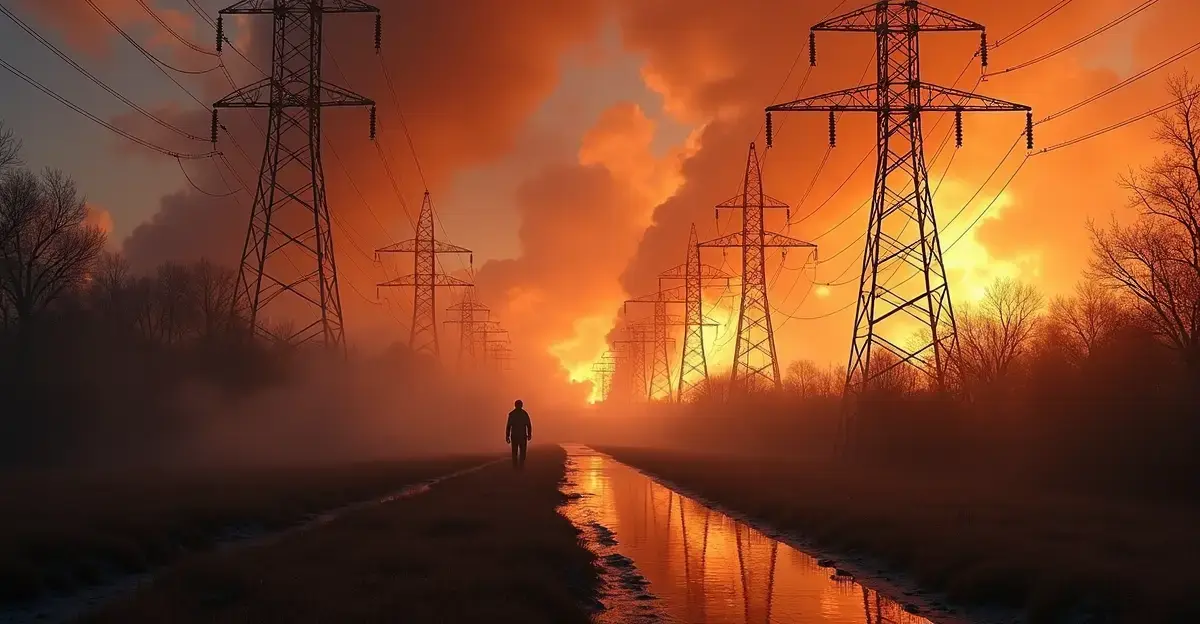
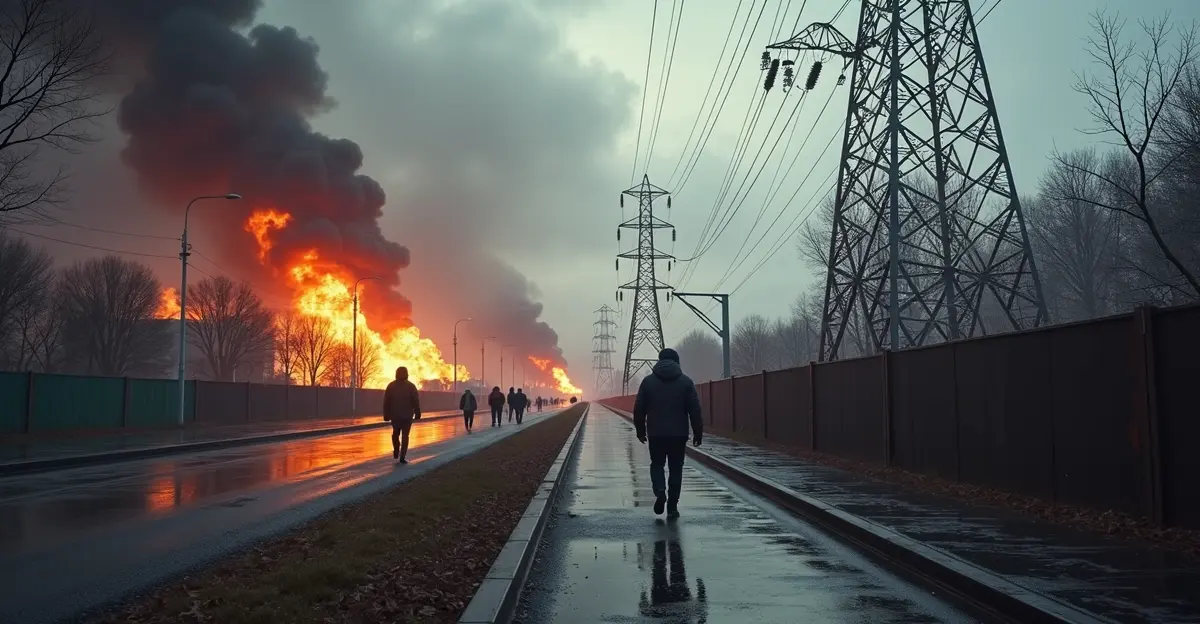
Berlin is grappling with one of its most severe power outages in recent memory, leaving approximately 45,000 households and 2,000 businesses without electricity in the city's southwest districts. The blackout, which began on Saturday morning, is expected to last until Thursday afternoon, creating a critical situation as freezing temperatures grip the German capital.
The outage affects the districts of Nikolassee, Zehlendorf, Wannsee, and Lichterfelde, with authorities warning that full restoration may not occur until January 8, 2026. 'This is a particularly serious situation affecting critical infrastructure including care facilities, hospitals, and social institutions,' said Berlin's energy spokesperson in a statement to The Guardian.
Suspected Arson Attack on Critical Infrastructure
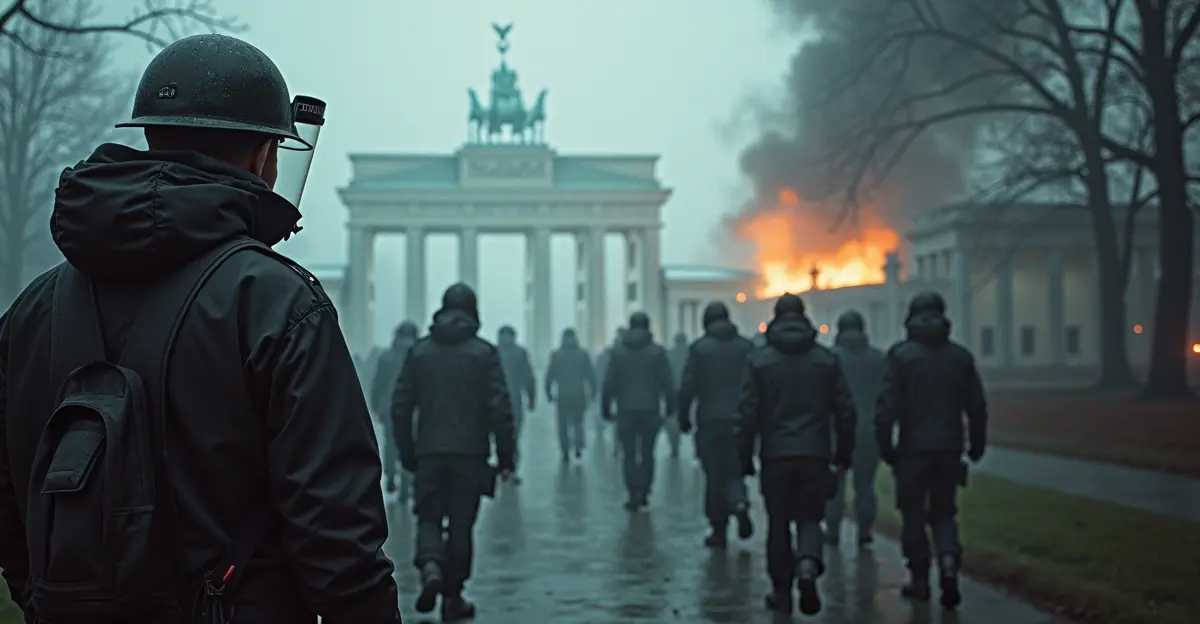
The crisis began when a cable bridge over the Teltow Canal near the Lichterfelde power station caught fire early Saturday morning. Police suspect arson and have launched a major investigation, deploying 160 officers to the scene. A letter claiming responsibility has been received, allegedly from the far-left environmental activist group known as the Volcano Group.
'We are treating this as a deliberate attack on critical infrastructure,' stated Berlin police commissioner Michael Müller during a press conference. 'The damage to the high-voltage cables is extensive and will require complex repairs.'
The Volcano Group has previously targeted infrastructure in protest against industrial projects, including a June 2024 attack on Tesla's Gigafactory near Berlin that caused hundreds of millions in damages. German authorities describe the group as 'extreme-left, anarchist environmental activists' who have been active since 2011.
Freezing Conditions Compound Crisis
The timing couldn't be worse for affected residents. Berlin is experiencing a cold snap with temperatures barely rising above freezing during the day and dropping to -7°C (19°F) at night. The city received significant snowfall over the weekend, adding to the challenges.
'We've had to evacuate some nursing home residents because without power, heating systems fail,' explained social services coordinator Anna Schmidt. 'The combination of no electricity and freezing temperatures creates a dangerous situation for vulnerable populations.'
Hospitals in the affected areas are operating on emergency generators, while care facilities have begun relocating residents to ensure their safety. The district heating system has also been impacted, leaving many without any heating source.
Community Response and Emergency Measures
Local authorities have established multiple emergency shelters and warming centers to assist affected residents. A town hall and sports hall have been converted into temporary shelters, while churches have opened their doors to provide warmth and charging stations for electronic devices.
According to Berlin's official announcement, police have deployed 300 additional officers to patrol affected neighborhoods, and emergency services have set up multiple support stations throughout the southwest districts.
'The community response has been incredible,' said local resident Markus Weber. 'Neighbors are checking on each other, sharing generators, and offering spare rooms to those who need warmth. It's heartening to see Berliners coming together in this crisis.'
Complex Repair Operations Underway
Grid operator Stromnetz Berlin has explained that the restoration delay stems from the complexity of building replacement lines on the damaged cable bridge. 'The installation of replacement cables is very complex and will take a very long time,' a company representative stated.
Engineers face additional challenges due to the cold weather, which hinders outdoor work and complicates cable installation. Partial restoration to Lichterfelde is expected by Saturday evening, but complete restoration across all affected areas may take until Thursday afternoon.
This incident follows a similar sabotage attack in September 2025, raising concerns about a pattern of attacks on Berlin's critical infrastructure. Authorities are investigating whether there are connections between these incidents and whether additional security measures are needed for the city's power grid.
As Berliners navigate the darkness with flashlights and candles, the city faces not just an energy crisis but questions about infrastructure security in an era of increasing climate activism and political extremism. The coming days will test both the resilience of Berlin's emergency systems and the patience of tens of thousands of residents waiting for their lights to come back on.