Nederlands
 English
 Deutsch
 Français
 Español
 Português





Historic Funding Package Paves Way for Next-Generation Smart Meter Rollout
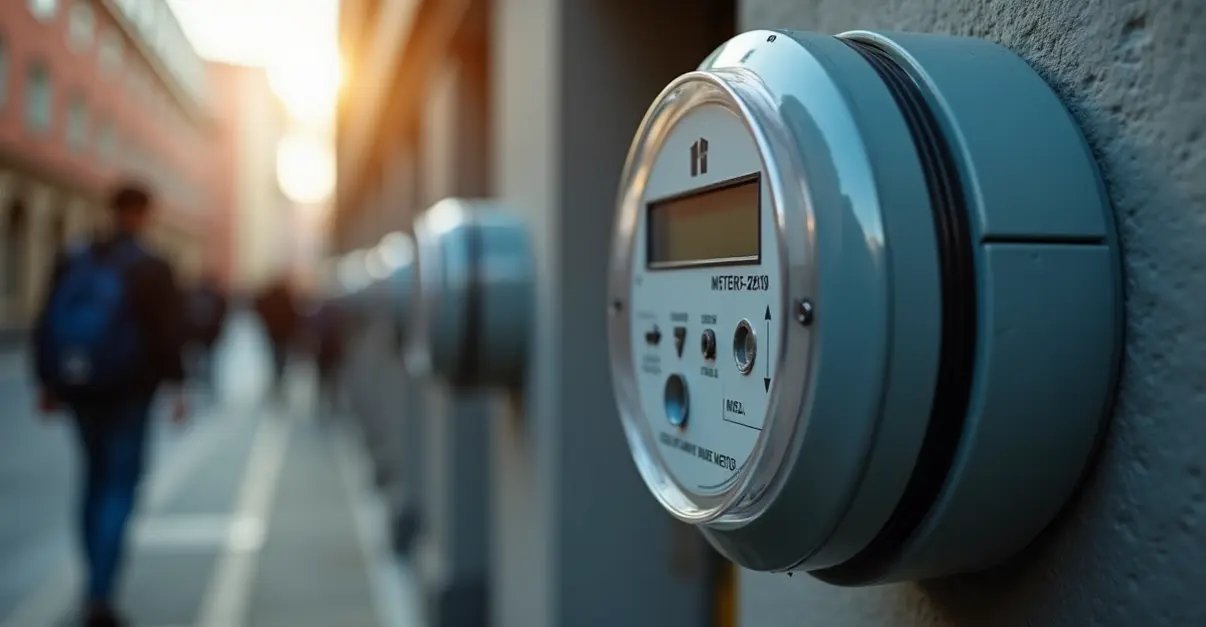
In a landmark decision that will reshape America's energy infrastructure, federal and state regulators have approved a comprehensive funding package for nationwide smart meter upgrades. The multi-billion dollar initiative represents the largest investment in advanced metering infrastructure since the initial smart meter deployments began over a decade ago.
'This funding approval marks a turning point for our energy grid,' said Energy Secretary Jennifer Granholm in a statement. 'We're not just replacing old meters—we're building the digital foundation for a cleaner, more resilient, and consumer-friendly energy system.'
Accelerated Rollout Schedule
The approved funding will accelerate what industry analysts are calling the 'second wave' of smart meter deployments. According to the North America Smart Metering Industry Report 2025, second-wave deployments are expected to account for 75% of annual shipments by 2030. The installed base of smart electricity meters in North America is projected to grow from 152.4 million in 2024 to 180.9 million in 2030.
Utilities across the country have already submitted implementation plans, with most major providers targeting completion within the next five years. The rollout will prioritize regions with aging infrastructure and areas experiencing rapid electrification growth.
Consumer Impacts and Benefits
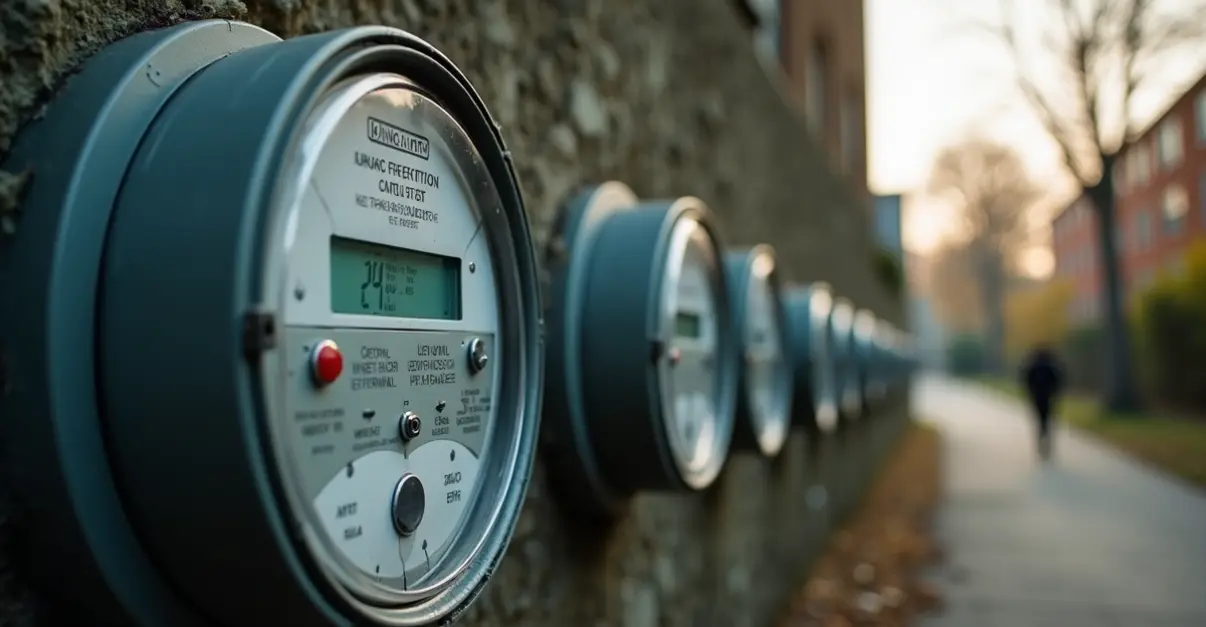
For consumers, the upgrade to what industry experts call 'Smart Meters 2.0' or AMI 2.0 (Advanced Metering Infrastructure) will bring significant improvements over first-generation devices. 'The difference between AMI 1.0 and AMI 2.0 is like comparing a flip phone to a smartphone,' explained Dr. Michael Chen, a smart grid researcher at MIT. 'We're moving from basic data collection to real-time intelligence that benefits both utilities and customers.'
Key consumer benefits include:
- Real-time energy usage monitoring through improved mobile apps and web portals
- More accurate billing with elimination of estimated readings
- Faster outage detection and restoration
- Dynamic time-of-use pricing options that can save money
- Integration with home energy management systems and electric vehicles
According to Forbes Tech Council analysis, AMI 2.0 investments are crucial for meeting decarbonization targets and managing widespread electrification while providing consumers with real-time energy awareness.
Data Governance and Privacy Safeguards
Perhaps the most significant aspect of the funding approval is the mandatory inclusion of robust data governance frameworks. The Department of Energy's DataGuard Energy Data Privacy Program will serve as the foundation for privacy protections, though participation will now be required rather than voluntary for utilities receiving funding.
'We've learned from the first generation of smart meters that consumer trust depends on transparent data practices,' said consumer advocate Sarah Johnson of the Energy Consumers Alliance. 'This funding package makes privacy protections non-negotiable, which is a huge win for households.'
The enhanced safeguards include:
- Strict limitations on data sharing with third parties
- Clear opt-in requirements for high-granularity data programs
- Independent data storage and security protocols
- Regular privacy audits by regulatory bodies
- Consumer education programs about data rights
Government regulations establish the legal framework for how utilities must handle smart meter data, defining what data can be collected, how it must be secured, with whom it can be shared, and for what purposes. Regulatory bodies like public utility commissions will oversee compliance and enforce penalties for violations.
Economic and Environmental Implications
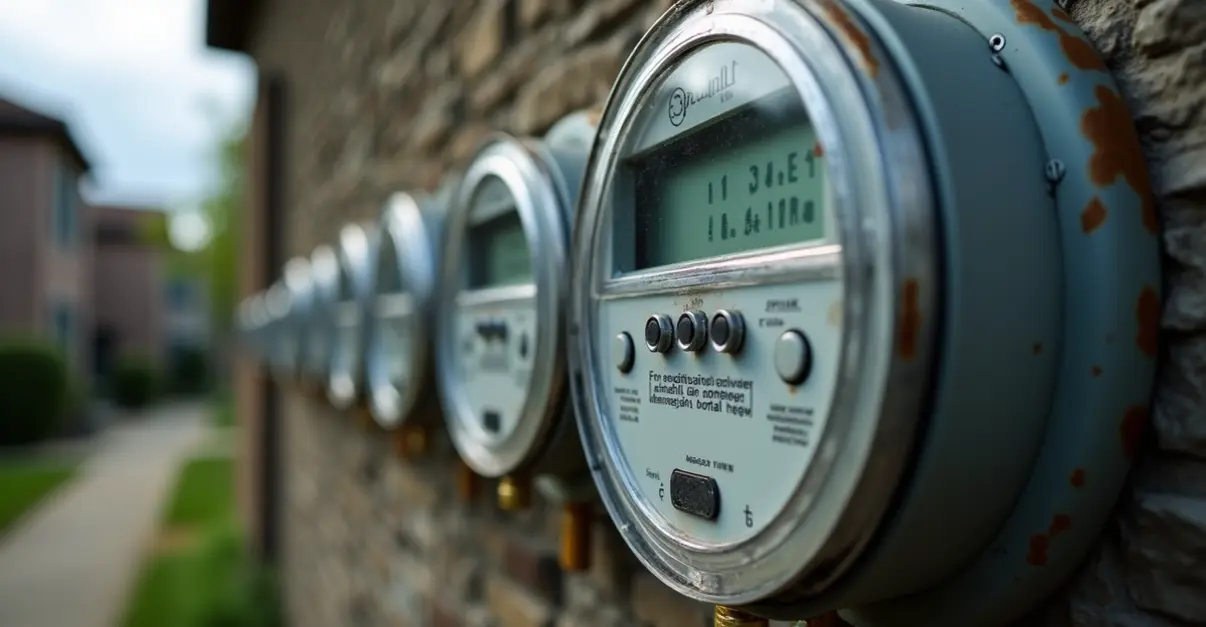
The funding approval comes at a critical time for America's energy transition. With nearly 146 million smart meters already deployed in the US, many first-generation devices are reaching their 15-20 year lifespan. The upgrade cycle presents an opportunity to leapfrog to more advanced technology.
The economic benefits are substantial. Utilities report that smart meters reduce customer support calls by up to 30%, decrease truck rolls for meter reading and service by 50%, and help avoid costly infrastructure upgrades through better load management. For consumers, studies show average savings of 5-15% on energy bills through improved awareness and time-of-use pricing options.
Environmentally, the upgraded meters will play a crucial role in integrating renewable energy sources and managing the growing demand from electric vehicles and home electrification. 'This isn't just about meters—it's about building the nervous system for a clean energy future,' said climate policy expert David Martinez.
The funding package includes provisions for workforce development, with training programs for thousands of technicians needed for installation and maintenance. It also supports domestic manufacturing of smart meter components, aligning with broader economic development goals.
As utilities begin their implementation plans in the coming months, consumers can expect communication about installation schedules and new features. The transition represents one of the most significant upgrades to America's energy infrastructure in decades, with implications that will ripple through households, businesses, and the broader economy for years to come.