
 Deutsch
 English
 Español
 Français
 Nederlands
 Português






Major Funding Boost for National Smart Meter Rollout
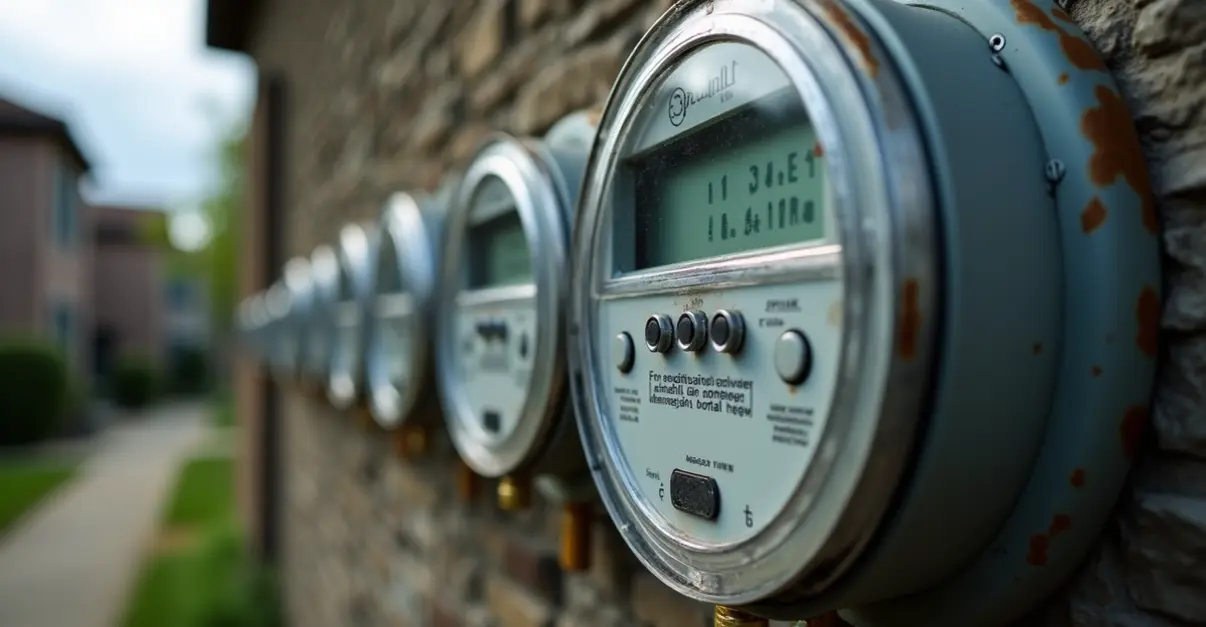
The federal government has approved substantial funding for a nationwide smart meter upgrade program, marking a significant step in modernizing America's electrical grid. The initiative, which received bipartisan support, allocates billions of dollars to accelerate the deployment of advanced metering infrastructure across all 50 states.
Consumer Impacts and Benefits
For consumers, the smart meter rollout promises several tangible benefits. 'This isn't just about utilities getting better data—it's about empowering homeowners with real-time information to make smarter energy choices,' says energy policy expert Dr. Sarah Chen from Stanford University. Smart meters provide detailed consumption data that can help households identify energy-wasting appliances and adjust usage patterns to save money.
According to the latest industry reports, the mandate primarily targets three categories: high-consumption homes using 6,000-10,000 kWh annually, homes with solar panel systems generating 7-100 kW of power, and residences equipped with smart appliances like EV chargers or heat pumps. Installation costs are capped at $20-$50 annually depending on consumption levels, providing consumer protection against excessive fees.
Privacy Safeguards and Data Protection
Privacy concerns have been a significant hurdle in previous smart meter initiatives, but the new program includes robust safeguards. 'We've learned from past experiences in Europe and early U.S. deployments that consumer trust is paramount,' explains privacy advocate Mark Thompson of the Electronic Frontier Foundation. 'The legislation includes strict data encryption standards, opt-out provisions, and limitations on how utilities can use consumption data.'
New York's Consumer Utility Meter Choice Protection Act (A3978) serves as a model, allowing customers to decline smart meter installation without facing fees or penalties. The bill requires utilities to provide at least 90 days' written notice before installation and gives customers the right to refuse installation or request removal within 365 days without charges.
Rollout Schedule and Implementation Timeline
The national rollout follows an ambitious but phased schedule. According to the North America Smart Metering Industry Report 2025, second-wave smart meter rollouts are accelerating, with early adopters expected to account for nearly 75% of annual shipment volumes by 2030. The installed base of smart electricity meters in North America is projected to grow from 152.4 million in 2024 to 180.9 million in 2030.
'We're seeing a coordinated approach between federal funding, state regulations, and utility implementation,' notes industry analyst Rebecca Martinez. 'High-consumption areas and regions with renewable energy integration will see installations first, followed by broader deployment over the next five years.'
Technology and Infrastructure Upgrades
Smart meters, as defined by Wikipedia, are electronic devices that record information such as consumption of electric energy, voltage levels, current, and power factor. They enable two-way communication between the meter and the central system, forming part of the broader smart grid infrastructure.
The market is dominated by three major players: Itron (35% market share), Landis+Gyr (32%), and Aclara (21%). Wireless RF technologies, particularly Wi-SUN-based mesh networks, are the preferred communication method, though cellular technology adoption is gradually improving with utilities showing increasing interest in private cellular networks.
Long-term Implications and Future Outlook
The smart meter rollout represents more than just hardware upgrades—it's a fundamental shift in how energy is managed and consumed. 'This infrastructure lays the groundwork for future innovations like dynamic pricing, enhanced grid resilience, and better integration of renewable energy sources,' says Department of Energy official James Wilson.
As the program moves forward, ongoing challenges include ensuring equitable access across all communities, maintaining robust cybersecurity measures, and continuing consumer education about the benefits and protections available. With proper implementation, experts believe the smart meter initiative could reduce national energy consumption by 5-10% while improving grid reliability and supporting climate goals.


Follow Discussion