Deutsch
 English
 Español
 Français
 Nederlands
 Português

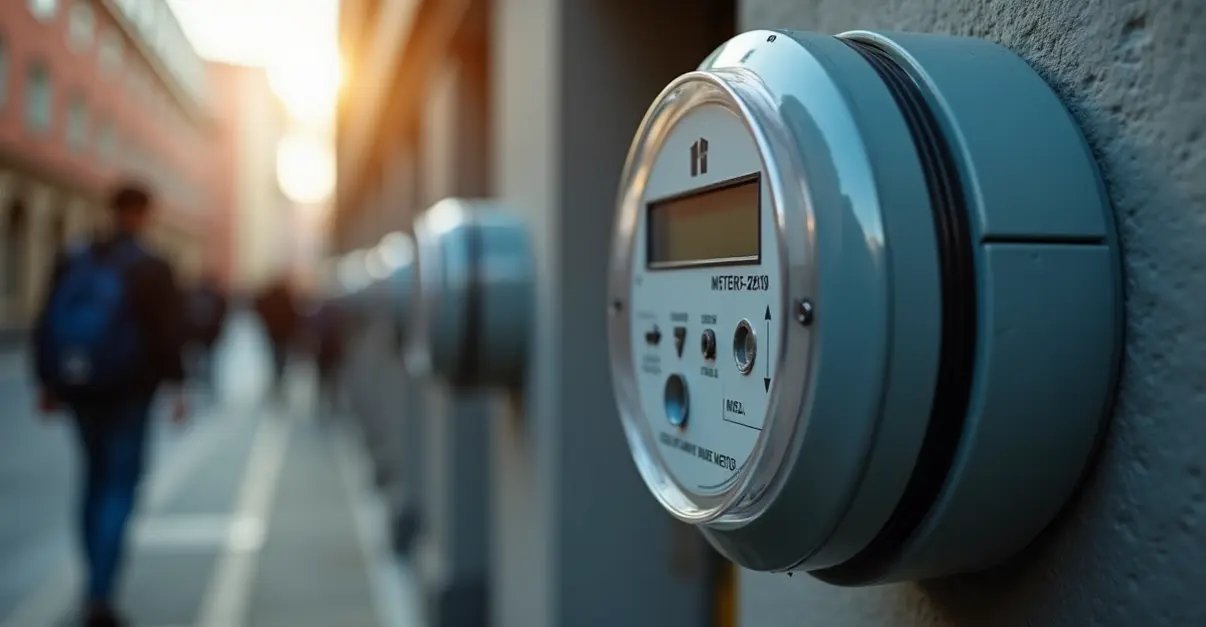





Global Smart Meter Expansion Gains Momentum with Major Investments
The global smart meter market is experiencing unprecedented growth as governments and utilities pour billions into national rollout programs. According to recent industry reports, the market is projected to expand from USD 30.92 billion in 2025 to USD 58.73 billion by 2033, representing a compound annual growth rate of 7.9%. This massive expansion is being driven by energy transition goals, grid modernization needs, and increasing demand for energy efficiency.
Second-Wave Deployments Dominate North American Market
In North America, second-wave smart meter rollouts are accelerating dramatically. The North America Smart Metering Industry Report 2025 reveals that these deployments are expected to account for nearly 75% of annual shipments by 2030. The installed base of smart electricity meters in the region is projected to grow from 152.4 million in 2024 to 180.9 million in 2030, representing a 2.9% compound annual growth rate.
'We're seeing a fundamental shift in how utilities approach smart meter deployments,' says energy analyst Sarah Chen. 'Early adopters focused on basic functionality, but second-wave deployments are about creating integrated energy ecosystems that support everything from EV charging to renewable integration.'
Market penetration in North America reached 82% in 2024 and is forecasted to reach 91% by 2030, driven primarily by large investor-owned utility projects in the US. The market is dominated by three major players: Itron with 35% market share, Landis+Gyr with 32%, and Aclara with 21%.
Global Funding Initiatives Fuel Expansion
Across the globe, significant funding is flowing into smart meter projects. In India, Apraava Energy recently secured ₹801 crore (approximately $92 million) in funding from British International Investment and Standard Chartered to expand its smart metering operations. This funding will support the installation of approximately 2 million smart meters across multiple Indian states as part of the government's Revamped Distribution Sector Scheme (RDSS), which aims to deploy 250 million smart meters by 2026.
'This investment represents a major step forward in India's energy infrastructure modernization,' notes Rajesh Kumar, a policy advisor with the Energy Ministry. 'Smart meters are essential for reducing distribution losses, enhancing grid reliability, and supporting our ambitious renewable energy targets.'
Policy Framework and Regulatory Support
Government policies are playing a crucial role in driving smart meter adoption. The UK has been particularly active, with the Parliament's Committee of Public Accounts recently publishing an update report on the national smart meter rollout. The government has also released a comprehensive Smart Metering Policy Framework for the post-2025 period, providing analytical evidence to support continued deployment.
Europe shows a fragmented landscape with leaders like Italy, France, Spain, and Nordic countries achieving near-total coverage, while Germany has lower adoption rates despite new legislative targets. Australia follows a market-driven approach with renewed national efforts targeting universal coverage by 2030.
Community Impact and Consumer Benefits
For communities and consumers, smart meters offer significant benefits beyond just automated billing. These devices enable real-time energy monitoring, dynamic pricing options, and better integration with home energy systems. According to industry analysis, smart meters are becoming central to home energy management, particularly as electric vehicle adoption increases and renewable energy systems become more common.
'The real value of smart meters isn't just in the technology itself, but in how it enables consumers to make smarter energy choices,' explains consumer advocate Maria Rodriguez. 'When people can see their energy usage in real-time and understand the cost implications, they naturally become more efficient.'
However, challenges remain. Consumer education, privacy concerns, and deployment costs continue to be significant hurdles. Cybersecurity needs are also increasing as these devices become more connected to broader energy networks.
Market Implications and Future Outlook
The smart meter rollout has profound implications for energy markets. Transforma Insights forecasts that government policies and sustainability initiatives will drive adoption to reach 2.3 billion connections by 2034. This expansion is creating new market opportunities for technology providers, software developers, and energy management services.
Wireless RF technologies, particularly Wi-SUN-based mesh networks, dominate the market, while cellular technology adoption has been limited but shows improving prospects with private cellular networks gaining interest. The region is experiencing growing interest in leveraging existing RF networks for applications beyond smart metering, including distribution automation, electric vehicle charging infrastructure, and smart streetlighting.
As the energy transition accelerates, smart meters are becoming critical infrastructure for managing increasingly complex energy systems. With continued investment and supportive policies, these devices will play a central role in creating more resilient, efficient, and sustainable energy networks worldwide.