
 Deutsch
 English
 Español
 Français
 Nederlands
 Português






Desalination's Global Expansion Faces Energy and Brine Challenges
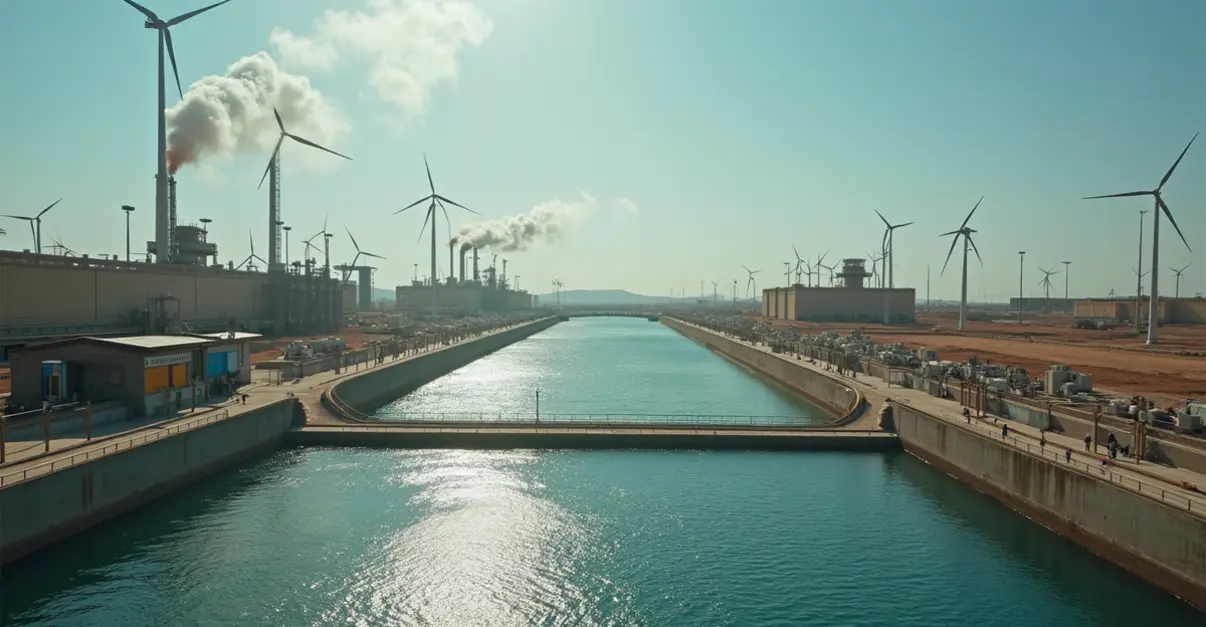
As the world grapples with worsening water scarcity affecting over 2 billion people, desalination technology is undergoing unprecedented global expansion. With more than 20,000 plants now operating across 170 countries producing over 110 million cubic meters of freshwater daily, this technology has become a cornerstone of water security strategies from the Middle East to California. However, this rapid scale-up brings complex tradeoffs between energy consumption, brine disposal, and cost efficiency that are reshaping the industry's future.
The Brine Disposal Dilemma
For every liter of freshwater produced through desalination, approximately 1.5 liters of concentrated brine is generated as a byproduct. Traditional disposal methods like coastal discharge have raised significant environmental concerns, as the high-salinity brine can create 'dead zones' in marine ecosystems. 'We're essentially trading one environmental problem for another,' says Dr. Akanksha K. Menon, a water sustainability researcher. 'The brine contains not just salt but concentrated levels of chemicals used in pretreatment, heavy metals, and other contaminants that can accumulate in marine life.'
Recent research published in Nature Water reveals that brine contains valuable minerals including magnesium, calcium, potassium, and even trace amounts of lithium. This has sparked interest in 'brine mining' approaches that transform waste into economic opportunity. Zero Liquid Discharge (ZLD) technologies can recover up to 98.6% of water from brine, but come with significant energy penalties that can double operational costs.
Renewable Energy Integration Breakthroughs
The energy-intensive nature of desalination remains its biggest challenge. Reverse osmosis, the dominant technology, typically requires 3-10 kilowatt-hours per cubic meter of water produced. With global desalination capacity expanding, this translates to massive energy demands equivalent to powering millions of homes.
Innovative solutions are emerging. Norwegian company Flocean is developing the world's first commercial subsea desalination plant that operates 400-600 meters below sea level, leveraging natural ocean pressure to reduce energy consumption by 50%. 'Our technology uses the ocean's own pressure instead of energy-intensive pumps,' explains Flocean's CEO. 'This represents a paradigm shift in how we think about desalination's energy footprint.'
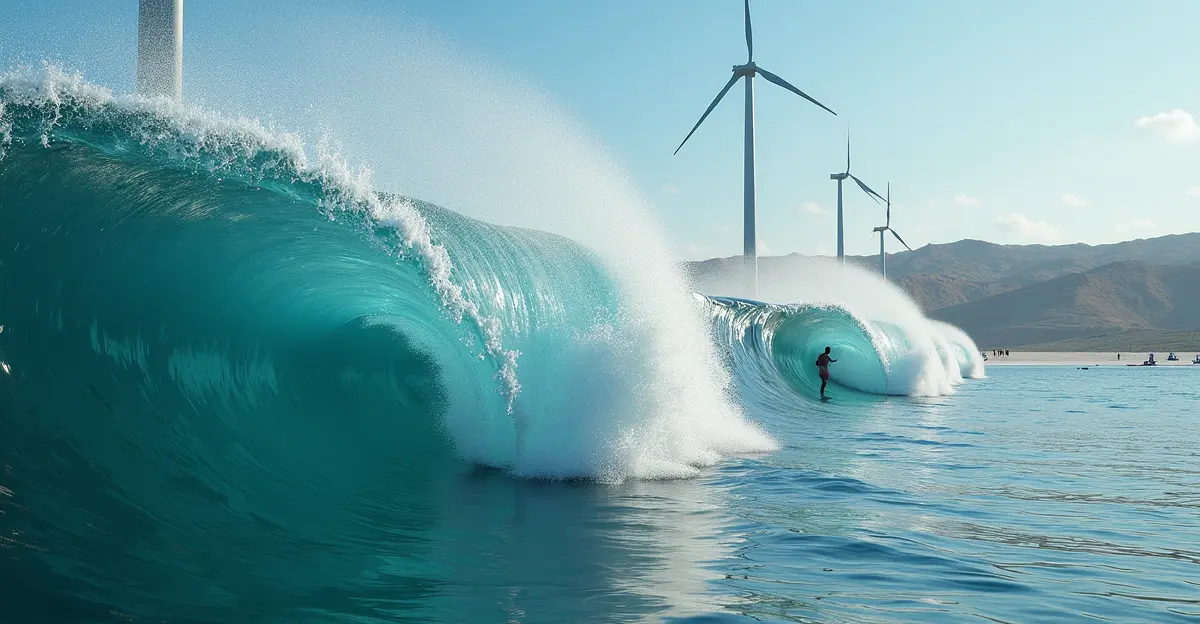
According to a comprehensive review in Energy Conversion and Management, wave-powered reverse osmosis currently offers the lowest production costs among renewable options, followed by solar-powered thermal processes. The Middle East, particularly Saudi Arabia and the UAE, is leading the integration of solar energy with desalination, with massive projects combining photovoltaic arrays with advanced membrane technologies.
Cost Trends and Economic Realities
Desalination costs have dropped dramatically over the past decade, from $2-3 per cubic meter to $0.50–$1.50 today. This reduction stems from technological improvements in membrane efficiency, energy recovery devices, and economies of scale. However, the integration of renewable energy and advanced brine management adds complexity to this cost equation.
'The economics of desalination are becoming more nuanced,' notes a water infrastructure analyst. 'While basic reverse osmosis costs continue to fall, adding renewable energy integration or zero liquid discharge systems can increase costs by 30-100%. The question becomes: what price are communities willing to pay for truly sustainable water?'
Emerging technologies like graphene membranes promise to reduce energy use by up to 30%, while hybrid systems combining desalination with wastewater recycling offer more holistic water management approaches. The Israeli Sorek plant, the world's largest reverse osmosis facility, has achieved remarkable efficiency through continuous innovation in energy recovery and membrane technology.
The Path Forward
The future of desalination lies in integrated solutions that address energy, brine, and cost challenges simultaneously. Distributed desalination systems powered by local renewable sources represent one promising approach, particularly for coastal communities and island nations. These smaller-scale systems can be tailored to local conditions and avoid the massive infrastructure requirements of traditional mega-plants.
Policy frameworks are evolving to encourage sustainable practices. California recently implemented regulations requiring new desalination plants to incorporate renewable energy and advanced brine management, setting a precedent that other water-stressed regions may follow.
As climate change intensifies water scarcity, desalination will play an increasingly vital role in global water security. The industry's ability to balance scale-up with sustainability will determine whether it becomes part of the solution or creates new environmental problems. With continued innovation in renewable integration, brine valorization, and cost reduction, desalination may yet fulfill its promise as a reliable source of freshwater for a thirsty world.




Follow Discussion