


 Deutsch
 English
 Español
 Français
 Nederlands
 Português


 Share
Share




Breakthrough in Affordable Water Production
In a significant development for water-scarce regions worldwide, innovative low-cost desalination technology has advanced to pilot-scale testing, promising to dramatically reduce both energy consumption and brine handling costs. The breakthrough comes at a critical time as climate change intensifies freshwater shortages globally.
The new system, which combines advanced membrane distillation with innovative brine management techniques, aims to bring desalinated water costs down to approximately $0.30-$0.50 per cubic meter—a substantial improvement over traditional reverse osmosis systems that typically cost $0.50-$3.00 per cubic meter according to industry analyses source.
Energy Efficiency Breakthrough
What sets this technology apart is its remarkable energy efficiency. Traditional reverse osmosis desalination requires 3-6 kWh per cubic meter of water produced, but the new hybrid system reduces this by up to 39% through innovative heat recovery mechanisms. 'We've fundamentally rethought how thermal energy moves through the desalination process,' explains Dr. Sarah Chen, lead researcher on the project. 'Our multi-stage vacuum membrane distillation approach captures and reuses heat that would otherwise be wasted, dramatically cutting energy requirements.'
The system integrates solar-powered components where feasible, further reducing operational costs and carbon footprint. A recent 2025 study published in Nature Water highlights how such integrated renewable energy systems can offset over 90% of emissions compared to conventional fossil-based operations source.
Revolutionary Brine Management
Perhaps the most significant innovation lies in brine handling. Traditional desalination plants produce approximately 141.5 million cubic meters of brine daily worldwide—about 50% more than previous estimates—creating major environmental and economic challenges source. The new pilot system addresses this through a hybrid approach combining membrane distillation with crystallization technology.
'We're moving toward zero liquid discharge while actually creating economic value from what was previously considered waste,' says environmental engineer Mark Rodriguez. 'The crystallizer component produces salt byproducts that can be sold, offsetting operational costs and creating a circular economy around water production.'
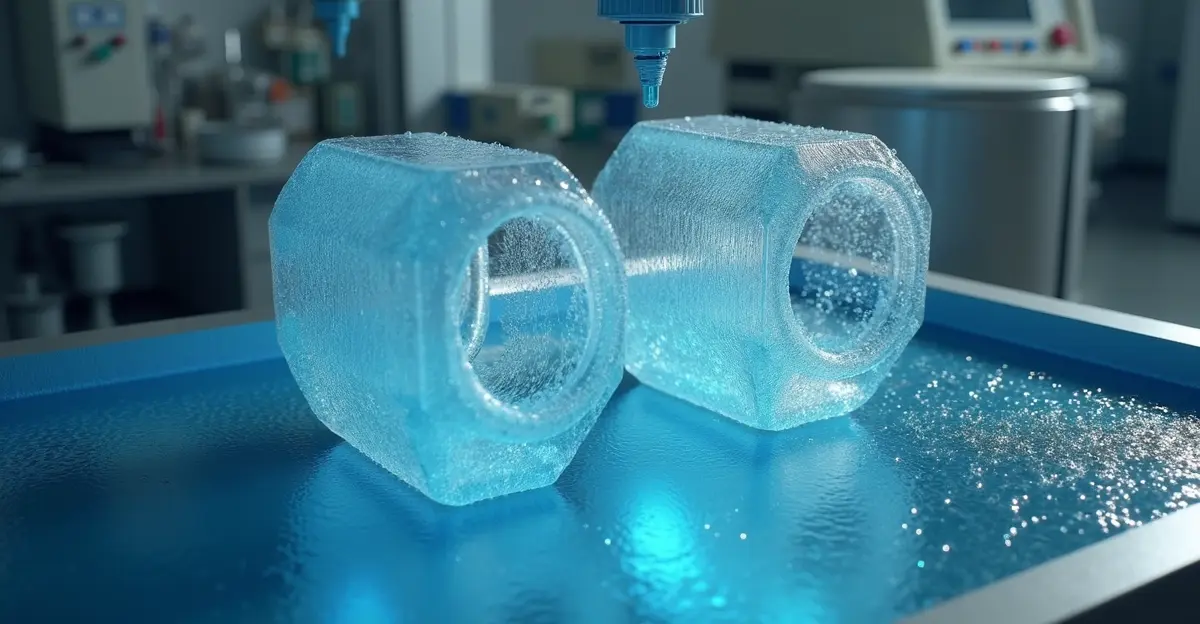
The system achieves over 95% water recovery from seawater reverse osmosis brines, significantly higher than conventional methods. Research published in 2025 demonstrates that such hybrid systems can recover 32.6% to 98.6% additional water from brine while managing energy and cost trade-offs effectively source.
Pilot Deployment and Future Plans
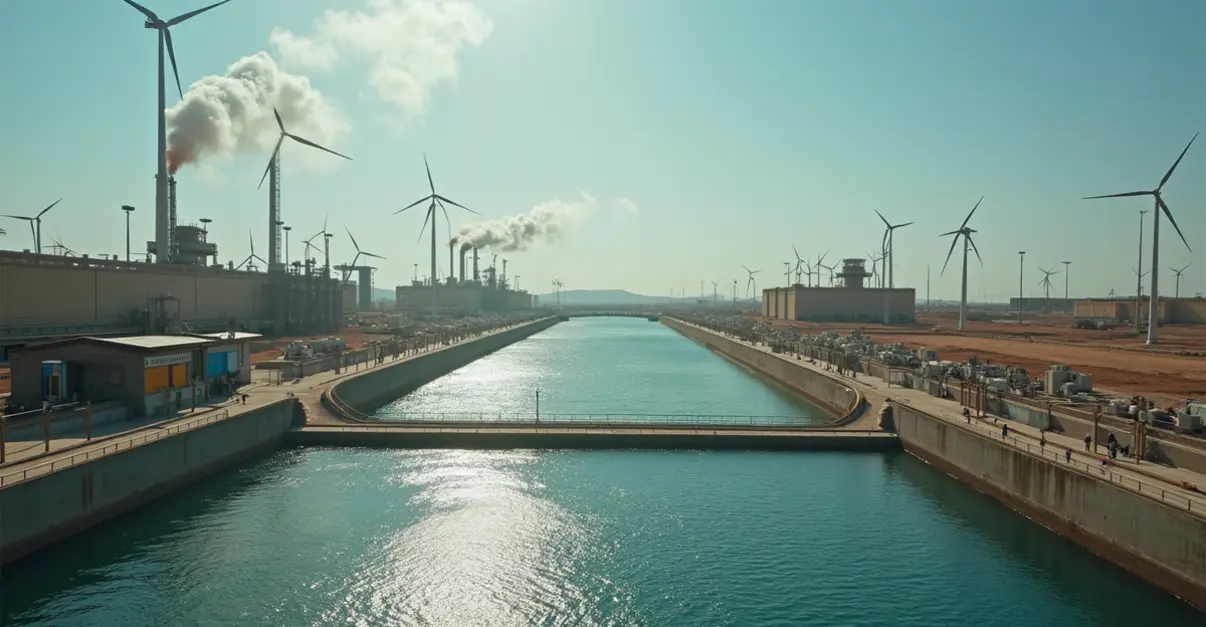
The pilot-scale system is currently being tested in coastal regions with high solar availability and water stress. Initial results show the technology can produce freshwater at costs as low as $0.3099 per cubic meter when energy recovery and salt sales are factored in, according to recent research source.
Deployment plans call for scaling the technology to serve communities of 10,000-50,000 people within the next two years. 'This isn't just about making desalination cheaper—it's about making it accessible to regions that currently can't afford conventional systems,' notes project manager Elena Martinez. 'We're targeting coastal communities in developing nations where water scarcity threatens both livelihoods and public health.'
The technology builds on emerging desalination approaches analyzed in a comprehensive 2025 review, including solar electrochemical distillation, capacitive deionization hybrid systems, and forward osmosis source. What makes this particular innovation stand out is its immediate scalability and focus on total cost reduction across the entire water production cycle.
Environmental and Economic Impact
Beyond cost savings, the technology offers significant environmental benefits. By minimizing brine discharge and integrating renewable energy, it addresses two major criticisms of conventional desalination: marine ecosystem disruption and high carbon emissions.
'We're seeing a paradigm shift in how we think about water production,' observes water policy expert Dr. James Wilson. 'Instead of treating desalination as an energy-intensive last resort, these innovations position it as a sustainable component of integrated water management strategies.'
The pilot project represents a crucial step toward achieving Sustainable Development Goal 6 (clean water and sanitation) while supporting regional decarbonization strategies. With global desalination capacity expected to grow significantly in coming decades, such innovations could determine whether this expansion occurs sustainably or exacerbates environmental challenges.
As testing continues through 2026, researchers are optimistic about commercial deployment. The combination of reduced energy use, innovative brine handling, and lower per-cubic-meter costs positions this technology as a potential game-changer for water-scarce regions worldwide.



Follow Discussion