Nederlands
 English
 Deutsch
 Français
 Español
 Português
Geothermal energy projects are expanding rapidly in volcanic regions worldwide, with record-breaking plants in Oregon and the Philippines. Technological advances and growing investments are making geothermal a reliable clean energy source.
Harnessing Earth's Inner Heat for Clean Energy
Across volcanic regions from Oregon to Indonesia, geothermal energy projects are experiencing unprecedented growth as nations seek reliable, carbon-free power sources. The steady heat from Earth's crust is being tapped through innovative technologies that make geothermal energy more accessible than ever before.
Record-Breaking Projects in Volcanic Zones
In Oregon's Newberry Volcano, engineers are building what could become the world's hottest geothermal power plant, having already reached temperatures of 629 degrees Fahrenheit. 'This represents a quantum leap in geothermal technology,' says Dr. Maria Rodriguez, a geothermal researcher at Stanford University. 'By tapping directly into volcanic energy, we're unlocking power generation capabilities we previously only dreamed of.'
The project, scheduled to begin selling power to local communities next year, demonstrates how volcanic zones are becoming prime locations for geothermal development. According to the Washington Post, this facility could set new standards for geothermal efficiency and output.
Global Expansion Across the Ring of Fire
The Philippines, positioned along the Pacific Ring of Fire, continues to expand its geothermal capacity with the recent activation of the 22-megawatt Tanawon Geothermal Power Plant in Sorsogon. Located near active volcanoes Mayon and Bulusan, this ₱7-billion facility is projected to generate 159,000 megawatt-hours annually while reducing carbon emissions by 38,312 tonnes per year.
'Geothermal provides the baseload power that solar and wind cannot,' explains Energy Development Corporation CEO Richard Tantoco. 'In a country with active volcanoes, we're turning geological risks into energy opportunities.' The Philippines now ranks as the world's third-largest geothermal power producer, with geothermal contributing 14.6% to the national electricity mix.
Technological Breakthroughs Driving Growth
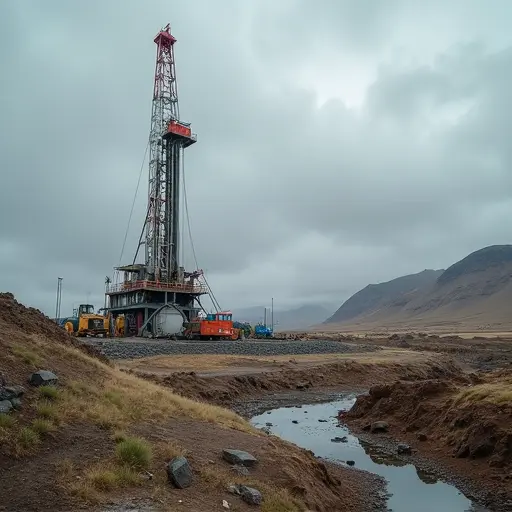
Enhanced Geothermal Systems (EGS) are revolutionizing the industry by enabling development in areas previously considered unsuitable. Companies like Fervo Energy are achieving remarkable results, with Utah wells reaching 270°C at 4.5 km depth in just 16 days. These technological advances have attracted significant investment, with $1.5 billion invested in North America over the past five years.
Iceland's pioneering Iceland Deep Drilling Project accidentally drilled into magma at 900°C, creating the world's hottest geothermal well that produced ten times more energy than conventional wells. 'The accident turned out to be a breakthrough,' says geothermal engineer Bjarni Pálsson. 'We discovered that supercritical conditions can dramatically increase energy output.'
Economic and Environmental Benefits
Geothermal energy offers multiple advantages beyond clean power generation. The industry now employs approximately 100,000 people worldwide and provides heating for district systems, industrial processes, and agricultural applications. With geothermal resources theoretically more than adequate to supply humanity's energy needs, the potential for growth remains substantial.
According to the International Energy Agency, geothermal power could supply 15% of global electricity growth by 2050, with 800 GW of next-generation geothermal capacity projected. The current global installed capacity stands at 16,873 MW across 35 countries, preventing 400 million tons of CO₂ emissions annually.
Future Outlook and Challenges
Despite the promising growth, geothermal development faces challenges including high upfront costs, technical risks, and the need for specialized expertise. However, drilling costs have dropped 24-26% since 2020 through technology transfers from the oil and gas industry.
'The time has finally come for geothermal energy,' states energy analyst Sarah Chen. 'With improved drilling technologies and growing climate concerns, geothermal is transitioning from niche to mainstream.' As volcanic zones continue to reveal their energy potential, geothermal power appears poised to play an increasingly vital role in the global transition to sustainable energy.