
 Deutsch
 English
 Español
 Français
 Nederlands
 Português

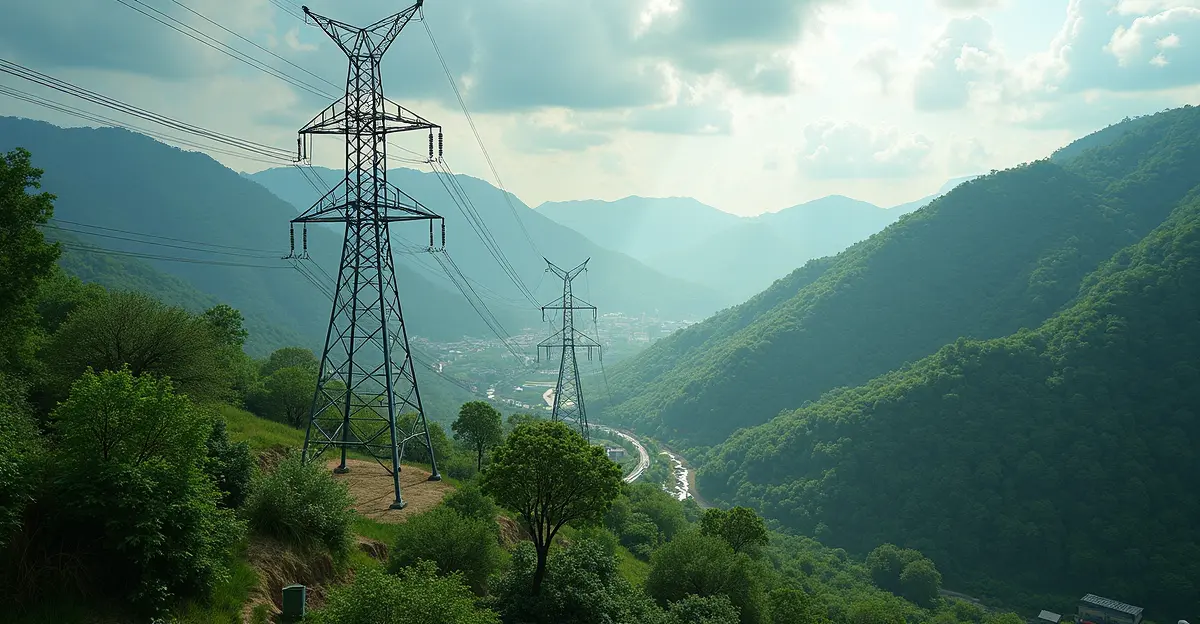





The Global Push for Interconnected Power Networks
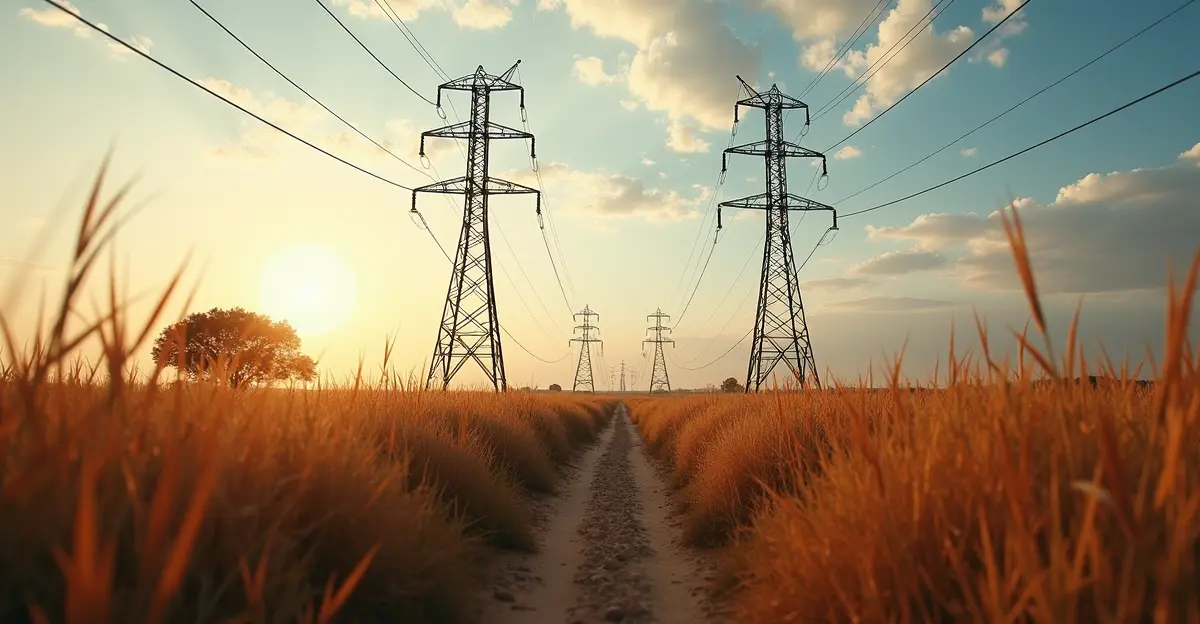
In an era defined by climate change, geopolitical tensions, and soaring energy demands, countries worldwide are increasingly turning to cross-border energy grids as a strategic solution. These interconnected power networks, which link national electricity systems across international boundaries, are transforming how nations produce, share, and consume energy. From Europe's ambitious super grid initiatives to Southeast Asia's ASEAN Power Grid and Africa's emerging single electricity market, the movement toward regional energy integration is gaining unprecedented momentum.
Why Countries Are Linking Their Power Networks
The rationale behind cross-border energy grids is multifaceted. 'Energy security is no longer just about national independence—it's about regional resilience,' explains Dr. Elena Martinez, an energy policy expert at the World Resources Institute. 'When countries share electricity resources, they create buffers against supply disruptions, whether from extreme weather, geopolitical conflicts, or technical failures.' This was demonstrated dramatically in 2022 when Ukraine successfully synchronized its grid with the European Union's network following Russia's invasion, ensuring continued power supply to millions.
Beyond security, economic efficiency drives interconnection. According to a World Resources Institute analysis, interconnected grids allow countries to optimize their energy mix, reducing costs by sharing excess generation capacity and avoiding expensive peak-load infrastructure investments. The European Network of Transmission System Operators for Electricity (ENTSO-E), representing 40 transmission operators across 36 countries, has been instrumental in creating what's essentially a continental-scale power market.
Renewable Energy Integration: The Game Changer
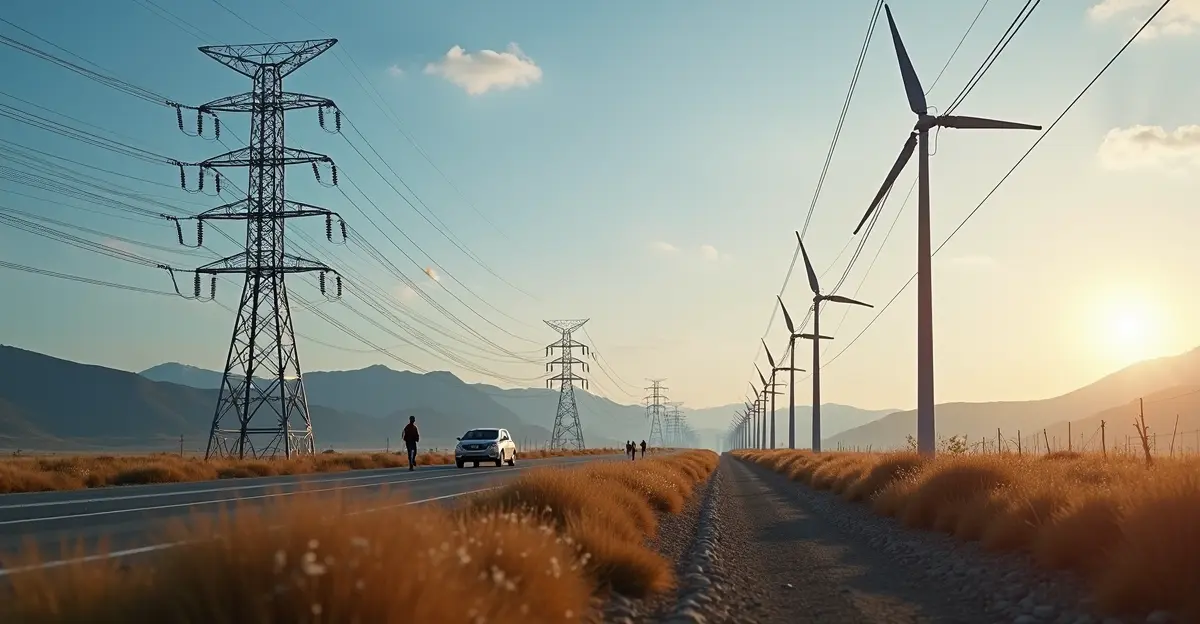
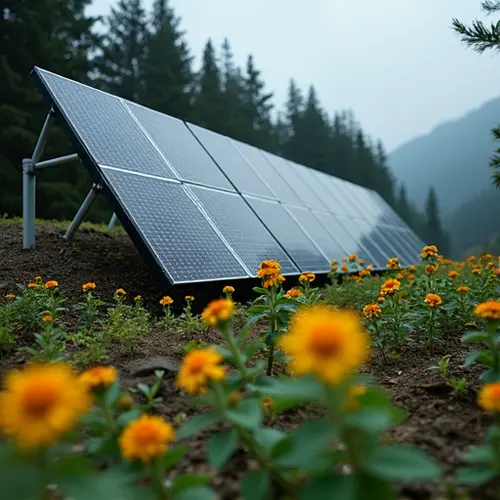
Perhaps the most compelling driver is the renewable energy revolution. Wind and solar power are inherently intermittent—the sun doesn't always shine, and the wind doesn't always blow. Cross-border grids solve this fundamental challenge through geographical diversity. 'When Germany has surplus wind power, it can export to France during calm periods, and vice versa with solar from Spain to cloudy northern regions,' notes energy analyst Michael Chen. 'This smoothing effect makes renewables far more reliable and cost-effective.'
Technological advancements in High-Voltage Direct Current (HVDC) transmission have made long-distance power transfer increasingly feasible. Modern HVDC lines can transmit electricity over thousands of kilometers with losses below 3%, compared to 7-10% for traditional alternating current systems. Submarine cables now connect countries separated by seas, like the North Sea Link between Norway and the UK or planned interconnections across the Mediterranean.
Regional Initiatives Taking Shape
Several major regional projects illustrate the global trend. The ASEAN Power Grid, first conceptualized in 1997, aims to connect the ten member states of Southeast Asia. With goals of enhancing energy security, accessibility, and sustainability, the initiative has progressed through multiple phases despite complex regulatory and technical challenges.
In Europe, the EU recently allocated €600 million for cross-border energy projects under its revised Trans-European Networks for Energy (TEN-E) framework, with applications open until September 2025. 'This funding represents a strategic commitment to building the infrastructure needed for our green transition,' says EU Energy Commissioner Kadri Simson. The continent already boasts one of the world's most integrated power systems, with countries regularly trading 10-15% of their electricity across borders.
Africa is pursuing its own ambitious vision through the African Union's Africa Single Electricity Market (AfSEM), launched to address the continent's chronic electricity shortages. Meanwhile, China's Global Energy Interconnection Development and Cooperation Organization (GEIDO) promotes a vision of worldwide grid connectivity, though this raises geopolitical concerns about technological dependencies.
Challenges and Controversies
Despite clear benefits, cross-border energy integration faces significant hurdles. Regulatory harmonization remains a major obstacle, as countries have different market rules, technical standards, and pricing mechanisms. Political sovereignty concerns sometimes arise, with nations wary of becoming dependent on neighbors for critical infrastructure.
Financing massive infrastructure projects—often costing billions—requires complex public-private partnerships and international coordination. A 2023 European Court of Auditors review found that 60% of Projects of Common Interest (PCI) since 2013 missed completion deadlines due to stakeholder negotiations and supply chain delays.
Cybersecurity presents another growing concern. 'Interconnected grids create larger attack surfaces for malicious actors,' warns cybersecurity specialist Sarah Johnson. 'A successful attack on one national grid could potentially cascade across borders, making robust digital defenses essential.'
The Future of Global Energy Sharing
Looking ahead, experts predict accelerated growth in cross-border electricity trade. Currently, only about 2.8% of global electricity crosses international boundaries, but this percentage is expected to rise significantly as renewable energy adoption increases. The International Energy Agency projects that cross-border electricity trade could grow fivefold by 2040 under ambitious climate scenarios.
'We're moving from isolated national grids toward truly regional, and eventually global, energy networks,' concludes Dr. Martinez. 'This isn't just about infrastructure—it's about reimagining how nations cooperate on one of humanity's most fundamental needs.' As climate imperatives intensify and technology advances, the vision of a globally interconnected clean energy grid appears increasingly within reach, promising enhanced security, sustainability, and economic efficiency for participating nations.

Follow Discussion