Nederlands
 English
 Deutsch
 Français
 Español
 Português





The Microgrid Movement: Energy Sovereignty for Neighborhoods
The concept of microgrids is revolutionizing the way communities think about energy independence and sustainability. A microgrid is a localized energy system that can operate independently or in conjunction with the traditional power grid, offering resilience, cost savings, and environmental benefits.
What is a Microgrid?
According to the United States Department of Energy, a microgrid is a group of interconnected loads and distributed energy resources within clearly defined electrical boundaries. It acts as a single controllable entity, capable of operating in grid-connected or island mode. This flexibility allows microgrids to provide reliable power even during outages or disruptions in the main grid.
Benefits of Microgrids
Microgrids offer numerous advantages, including:
- Energy Independence: Communities can generate their own power, reducing reliance on centralized utilities.
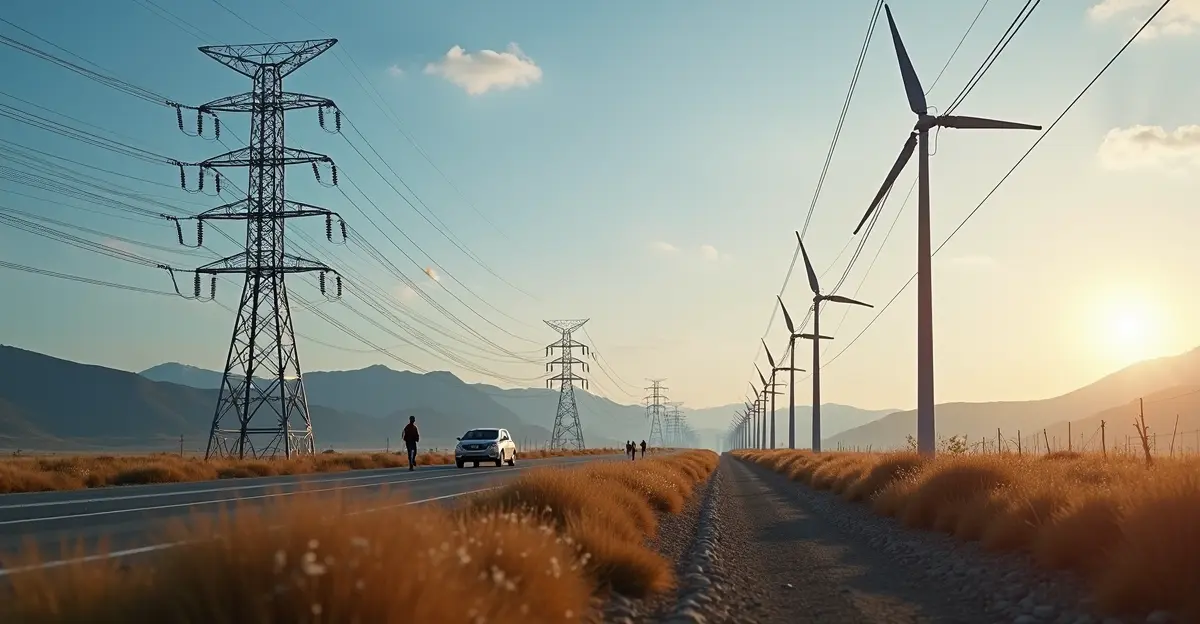
- Cost Savings: By leveraging renewable energy sources like solar and wind, microgrids can lower energy costs over time.
- Resilience: Microgrids can continue operating during grid failures, ensuring critical services remain powered.
- Sustainability: Integrating renewable energy reduces carbon footprints and supports environmental goals.
Applications of Microgrids
Microgrids are being deployed in various settings, from rural electrification projects to urban neighborhoods. They are particularly valuable in remote areas where connecting to the main grid is impractical or costly. Additionally, microgrids are gaining traction in disaster-prone regions, where their ability to operate independently can be life-saving.
Challenges and Future Outlook
Despite their benefits, microgrids face challenges such as control and protection complexities. However, advancements in technology and growing interest in decentralized energy solutions are driving innovation in this space. The future of microgrids looks promising as more communities embrace energy sovereignty.