


 Deutsch
 English
 Español
 Français
 Nederlands
 Português


 Share
Share




The Rise of Offshore Wind Energy
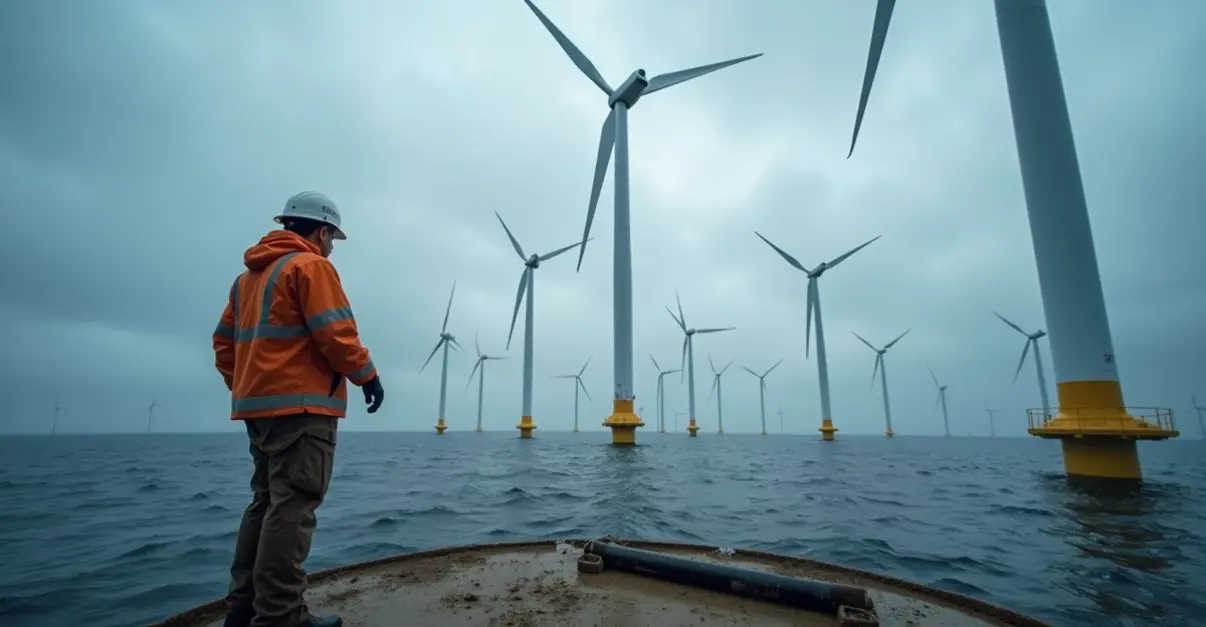
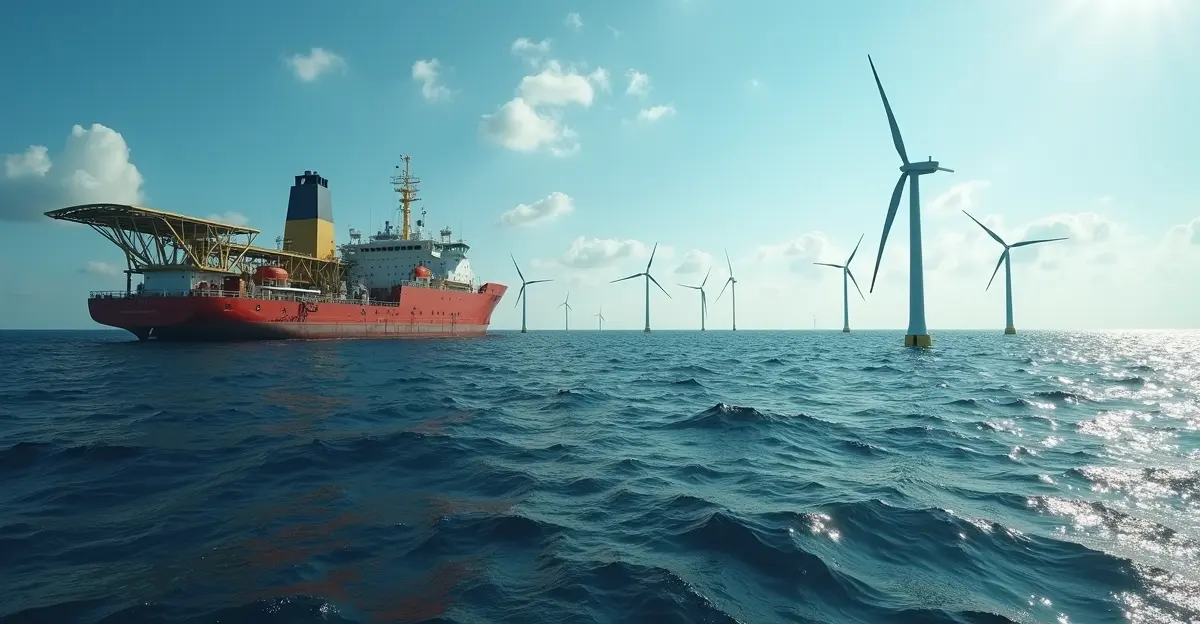
Offshore wind power has emerged as a critical component of the global renewable energy transition, with total worldwide capacity reaching 64.3 gigawatts by 2022. Countries like China (49%), the United Kingdom (22%), and Germany (13%) lead the way, accounting for more than 75% of global installed capacity. The technology offers significant advantages over onshore wind, including higher wind speeds, more consistent generation patterns, and reduced visual impact on communities.
Grid Integration: The Critical Challenge
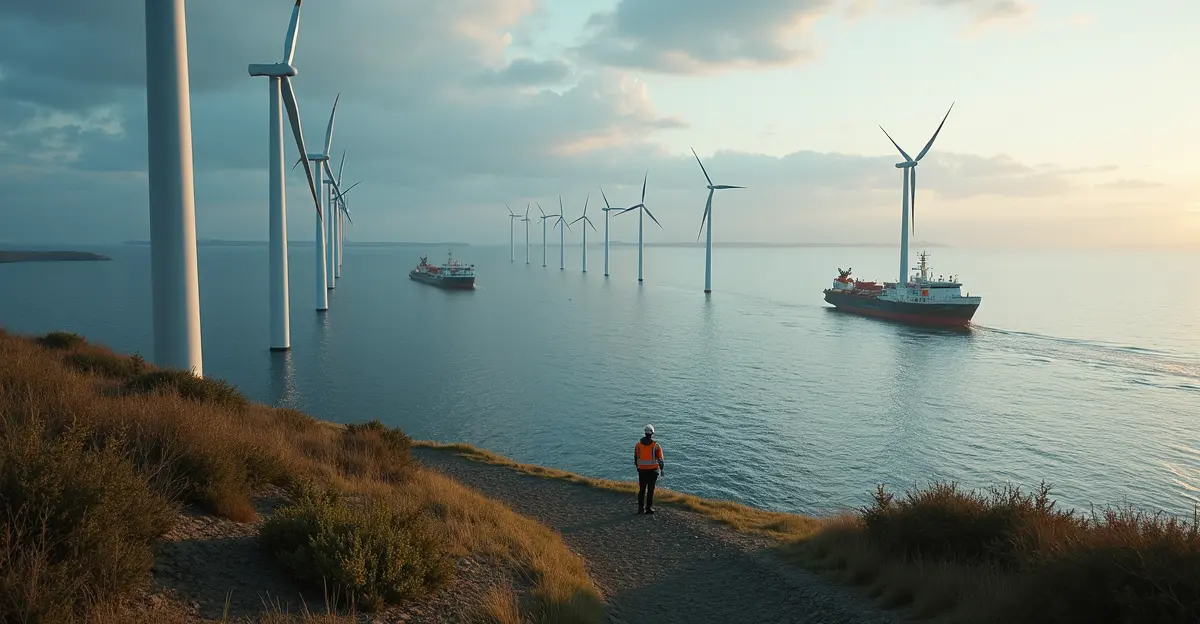
As offshore wind farms grow in size and move further from shore, grid integration has become the most significant technical challenge facing the industry. The Hornsea Project Two in the UK, at 1.4 GW capacity, and upcoming projects like Dogger Bank (4.8 GW) demonstrate the massive scale of modern offshore developments that require sophisticated connection solutions.
Transmission Technology Solutions
High-voltage direct current (HVDC) transmission has emerged as the preferred technology for connecting large offshore wind farms to onshore grids. HVDC systems offer several advantages: they require fewer conductors, incur less power loss over long distances, and allow power transmission between asynchronous AC systems. Modern HVDC links typically operate at voltages between 100 kV and 800 kV, with China's Zhundong–South Anhui link representing the world's longest at ±1,100 kV over 3,000 km.
Technical and Operational Challenges
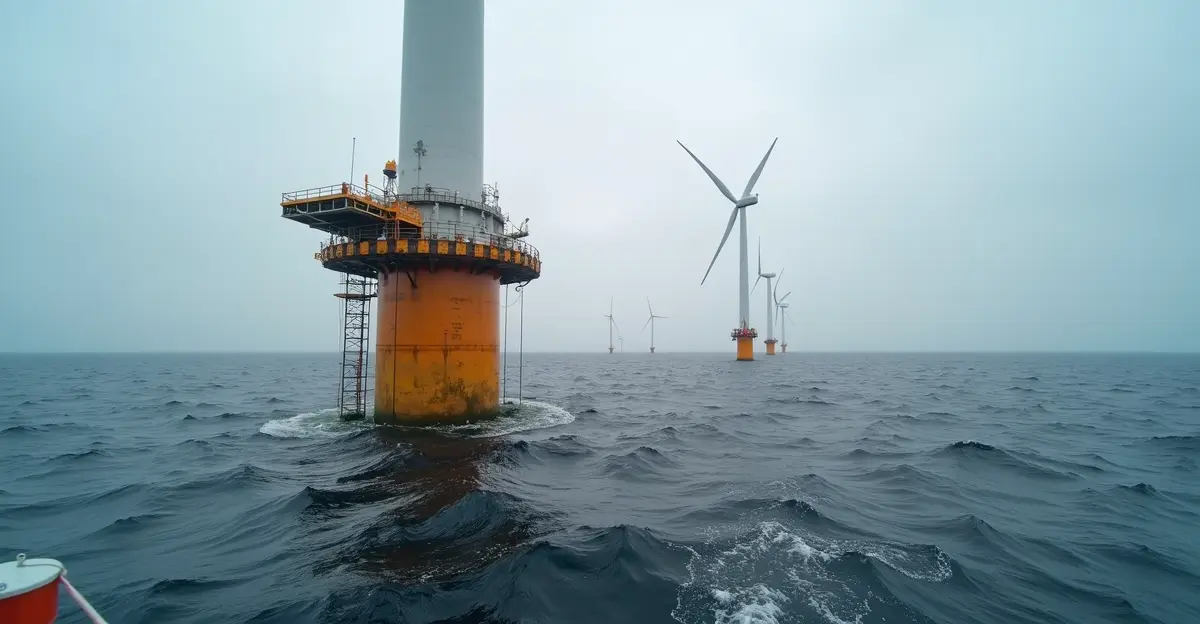
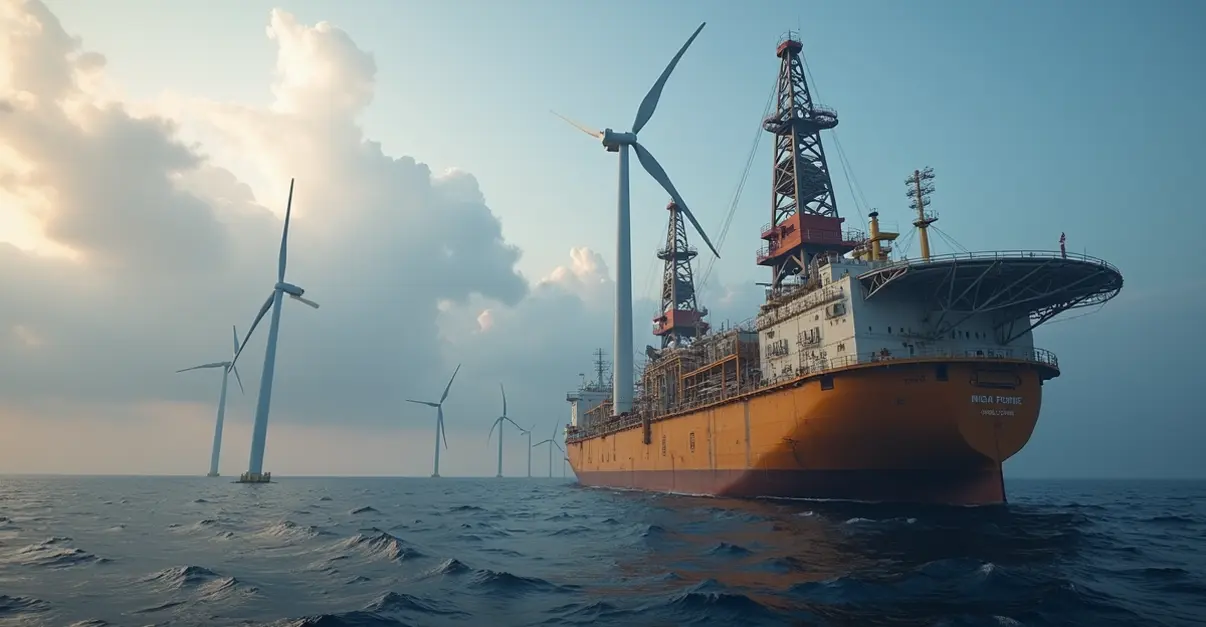
The integration of offshore wind presents multiple technical challenges. Variable generation patterns require sophisticated grid management systems to maintain stability. The marine environment introduces additional complexities, including corrosion protection, maintenance accessibility, and cable protection from fishing activities and ship anchors. Floating wind turbines, while promising for deeper waters, add another layer of complexity to grid connection systems.
European Leadership and Innovation
Europe remains the global leader in offshore wind development, with the first offshore wind farm (Vindeby) installed in Denmark in 1991. The North Sea has become a hub of innovation, with countries developing interconnected offshore grid systems. The Marienborg Declaration of 2022 saw all EU Baltic Sea states commit to ambitious offshore wind development targets, recognizing the need for coordinated grid planning.
Cost Considerations and Economic Viability
While offshore wind costs have decreased significantly—reaching $78/MWh in 2019—grid connection expenses remain a substantial portion of total project costs. The development of standardized connection solutions and shared infrastructure among multiple wind farms is helping to reduce these costs. Europe achieved price competitiveness with conventional power sources in 2017, demonstrating the economic viability of well-integrated offshore wind systems.
Future Outlook and Technological Advancements
The future of offshore wind grid integration involves several key developments: hybrid projects combining wind with energy storage, artificial intelligence for predictive maintenance and grid optimization, and international interconnection projects creating transnational offshore grids. These advancements will be crucial for achieving climate targets and ensuring energy security while maintaining grid reliability.
Follow Discussion