


 Deutsch
 English
 Español
 Français
 Nederlands
 Português


 Share
Share




Regulator Clears Large Offshore Wind Portfolio: Grid Integration Jobs, Environmental Assessments and Timelines
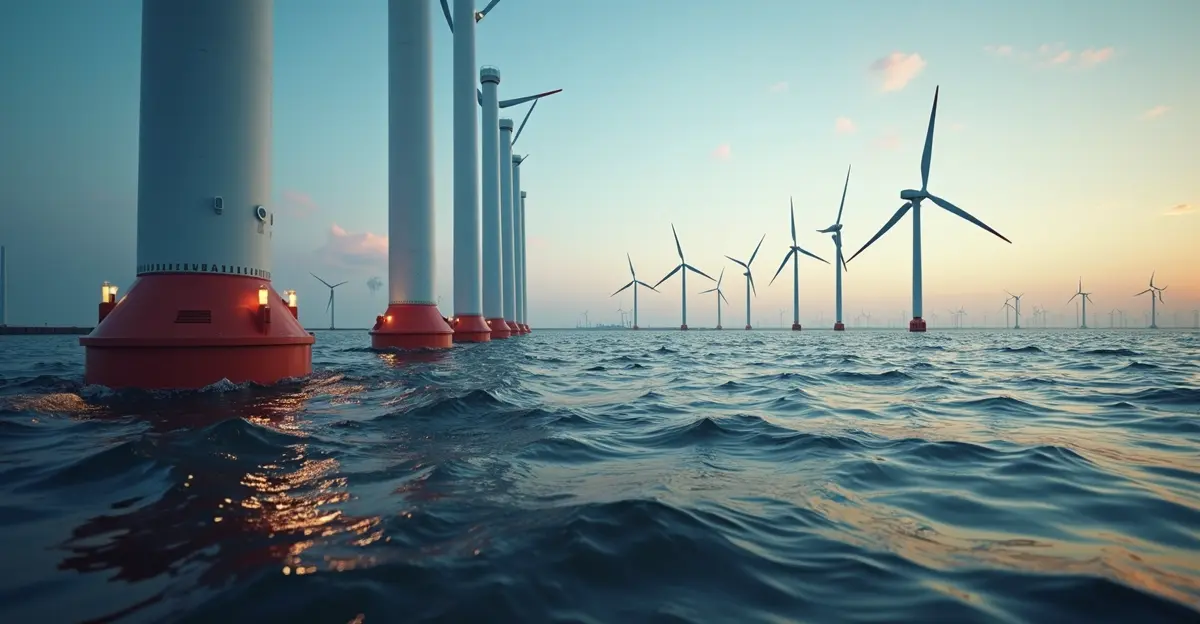
In a landmark decision for renewable energy development, federal regulators have cleared a substantial offshore wind portfolio in early 2026, advancing multiple projects that collectively represent billions in clean energy investment. The approval comes amid complex grid integration challenges and comprehensive environmental assessments that have shaped development timelines across the Atlantic coast. The Bureau of Ocean Energy Management (BOEM) has granted final approvals for several major offshore wind projects, marking a significant step toward meeting national clean energy targets while navigating intricate regulatory frameworks.
What is the Offshore Wind Portfolio Approval Process?
The federal approval process for offshore wind projects involves multiple agencies and comprehensive environmental reviews under the National Environmental Policy Act (NEPA). According to a 2025 assessment by Epsilon Associates, the process typically includes site assessment, construction and operations plans, environmental impact statements, and consultations with agencies like NOAA Fisheries and the U.S. Fish and Wildlife Service. The recent portfolio clearance represents a coordinated effort to streamline approvals while maintaining rigorous environmental standards.
Grid Integration Challenges and Solutions
The cleared portfolio faces significant grid integration hurdles that must be addressed before projects can deliver power to consumers. A 2026 research paper titled 'Survey on Grid Connection and Integration of Offshore Wind Energy' highlights several critical challenges:
Transmission Infrastructure Requirements
Offshore wind farms require specialized transmission systems to deliver power from ocean locations to onshore grids. The Brattle Group analysis emphasizes the need for holistic planning approaches that coordinate multiple projects to optimize transmission infrastructure. Key considerations include:
- High-voltage direct current (HVDC) transmission for long-distance power delivery
- Substation design and offshore platform construction
- Grid stability and power quality management
- Interconnection queue management with regional transmission organizations
Technical Integration Solutions
According to IEEE research on 'Grid Integration of Offshore Wind Power: Standards, Control, Power Quality and Transmission', modern solutions include:
- Grid-forming inverters that provide essential stability services
- Advanced control systems for voltage and frequency regulation
- Power quality mitigation technologies to address harmonic distortion
- Energy storage integration to smooth intermittent generation
Environmental Assessment Timelines and Requirements
The environmental review process for offshore wind projects has evolved significantly in recent years. The Harvard Environmental and Energy Law Program's tracker details how legal challenges and regulatory changes have impacted development timelines. Key environmental considerations include:
Marine Ecosystem Protection
Environmental assessments must evaluate impacts on marine mammals, fish populations, seabirds, and benthic habitats. The BOEM Office of Renewable Energy Programs requires comprehensive studies covering:
- Noise impacts from pile driving and construction activities
- Electromagnetic field effects from submarine cables
- Habitat alteration and seabed disturbance
- Collision risks for birds and bats
Tribal Consultation and Cultural Resources
A 2024 report on 'Tribal Authority in NEPA and the NHPA Review Processes for Offshore Wind' emphasizes the importance of meaningful consultation with Tribal nations. The cleared portfolio underwent extensive consultation processes addressing:
- Protection of traditional fishing grounds and cultural sites
- Integration of traditional ecological knowledge
- Mitigation measures for impacts on subsistence resources
- Ongoing monitoring and adaptive management requirements
Project Timeline Implications
The regulatory clearance marks the beginning of a multi-year implementation phase. Based on historical data and current regulatory frameworks, typical project timelines include:
| Phase | Duration | Key Activities |
|---|---|---|
| Pre-construction | 12-18 months | Final engineering, supply chain mobilization, workforce training |
| Construction | 24-36 months | Foundation installation, turbine erection, cable laying |
| Grid Connection | 6-12 months | Transmission testing, interconnection studies, commissioning |
| Operations | 25+ years | Maintenance, monitoring, performance optimization |
Economic and Employment Impacts
The cleared portfolio represents substantial economic opportunity, particularly in coastal communities. Grid integration alone is expected to create thousands of specialized jobs in:
- Transmission engineering and design
- Substation construction and maintenance
- Grid operations and control systems
- Environmental monitoring and compliance
The National Renewable Energy Laboratory (NREL) has documented how offshore wind development stimulates local economies through port infrastructure investments, supply chain development, and workforce training programs. These projects align with broader clean energy transition goals while creating sustainable employment opportunities.
Regulatory Landscape and Future Outlook
The approval comes amid a complex regulatory environment. As noted in the Georgetown Climate Center analysis of 'Admin Actions Restrict Wind Development', offshore wind faces ongoing regulatory challenges. However, the portfolio clearance demonstrates progress in navigating these hurdles. Looking forward, several factors will influence future development:
- Continued evolution of environmental review processes
- Advancements in grid integration technologies
- Supply chain development and domestic manufacturing capacity
- Policy support at federal and state levels
Frequently Asked Questions
What is the significance of this offshore wind portfolio clearance?
The clearance represents a major step toward achieving national clean energy goals, potentially adding several gigawatts of renewable capacity to the grid while creating thousands of jobs and stimulating economic development in coastal regions.
How long does it take for offshore wind projects to become operational after approval?
Typically, offshore wind projects require 3-5 years from final regulatory approval to commercial operation, depending on project scale, supply chain readiness, and grid interconnection timelines.
What are the main environmental concerns with offshore wind development?
Primary concerns include impacts on marine mammals from construction noise, effects on fish populations and habitats, bird and bat collision risks, and alterations to seabed environments. Comprehensive environmental assessments address these concerns through mitigation measures and monitoring programs.
How does offshore wind connect to the electrical grid?
Offshore wind farms typically use submarine cables to transmit power to onshore substations, where it's converted and integrated into the existing transmission system. Larger projects often require high-voltage direct current transmission for efficient long-distance power delivery.
What job opportunities does offshore wind development create?
The industry creates diverse employment opportunities including engineering, construction, operations and maintenance, environmental monitoring, supply chain management, and grid integration specialists, with particular growth in coastal communities near project sites.
Sources
1. Epsilon Associates Federal Offshore Wind Permitting Assessment (2025)
2. Harvard Environmental and Energy Law Program Offshore Wind Tracker (2025)
3. National Renewable Energy Laboratory Offshore Wind Guide (2025)
4. IEEE Open Journal of Power Electronics Grid Integration Research (2024)
5. Bureau of Ocean Energy Management Renewable Energy Programs
6. Brattle Group US Offshore Wind Transmission Analysis (2023)
7. Georgetown Climate Center Administrative Actions Analysis
Follow Discussion