


 Deutsch
 English
 Español
 Français
 Nederlands
 Português


 Share





Heineken and L'Oréal are warning that GLP-1 weight-loss drugs are cutting beer and beauty sales, as the appetite-suppressing medications reshape everyday consumer habits. In an internal presentation sent to British pubs, the world's second-largest brewer cautioned that drugs such as Ozempic and Wegovy can reduce the desire to drink alcohol, while L'Oréal's chief executive called GLP-1 use “a very important phenomenon” affecting skincare consumption.
The warnings mark a turning point for consumer-facing companies. As GLP-1 medicines move from diabetes treatment into mainstream obesity care, their effects are spilling into the beer and cosmetics industries, forcing executives to reassess demand and product strategies.
What Are GLP-1 Weight-Loss Drugs and Why Do They Change Spending?
Glucagon-like peptide-1 (GLP-1) receptor agonists were originally developed to treat type 2 diabetes, but several are now approved for obesity. They mimic a hormone released in the small intestine, slowing gastric emptying, reducing appetite and cutting overall energy intake. For consumers, that can mean feeling full faster, eating smaller meals and drinking less alcohol — a pattern with direct consequences for food, beverage and personal-care companies. This shift is central to the broader GLP-1 obesity treatment discussion now reaching corporate boardrooms.
Heineken Warns British Pubs: “Fullness and Fewer Serves”
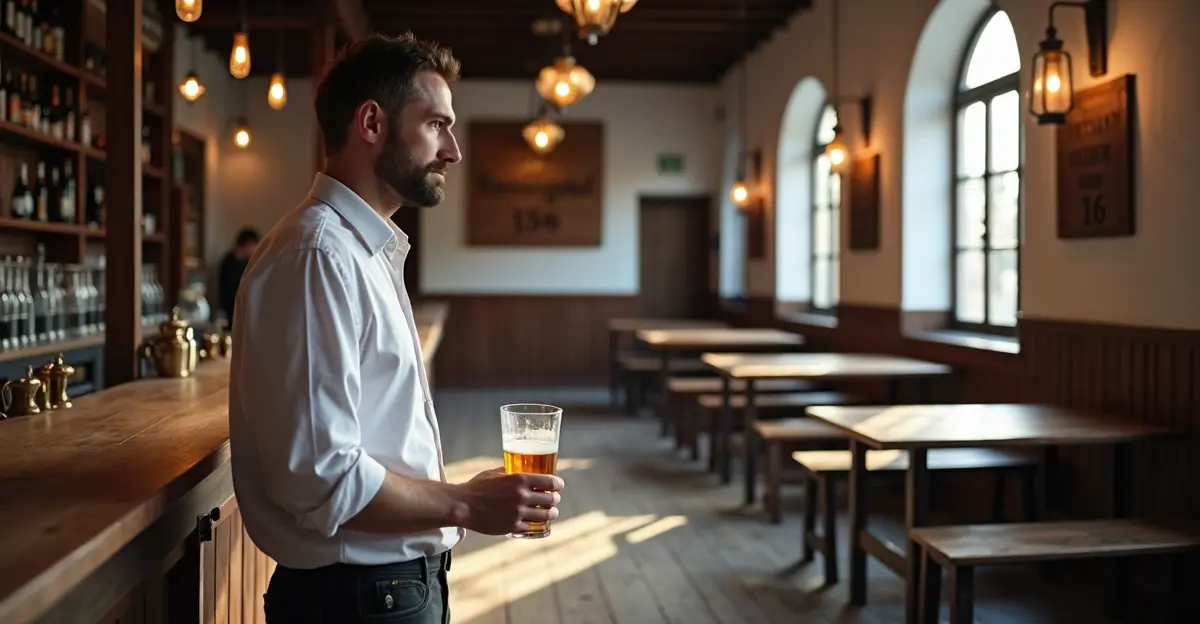
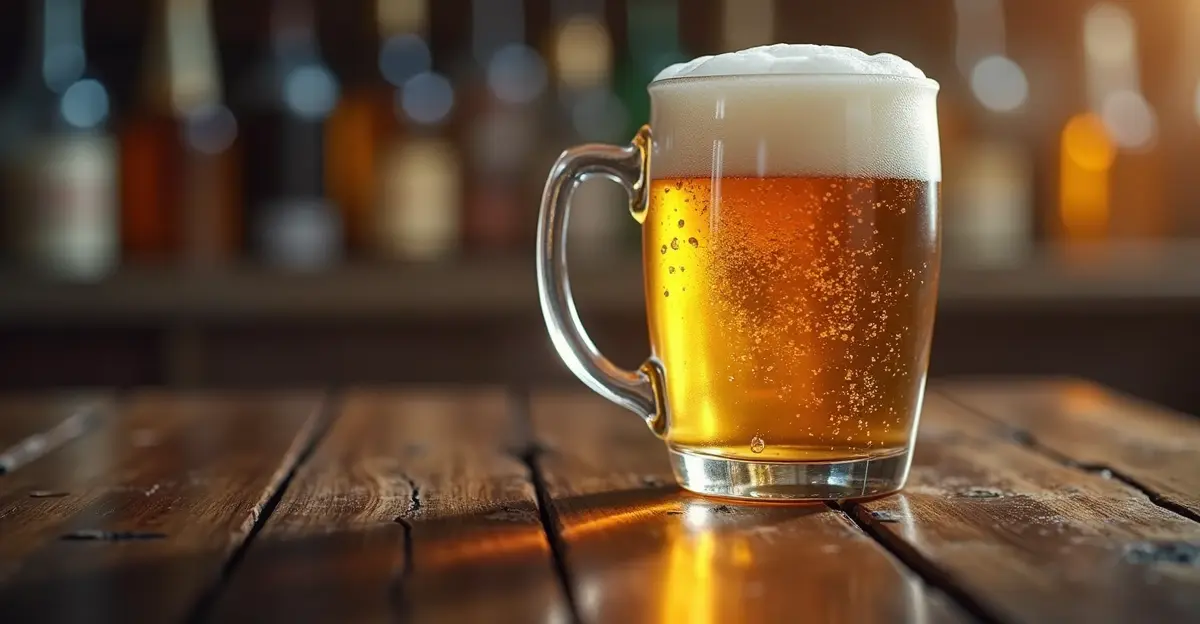
Heineken's presentation to UK hospitality customers warned that GLP-1 drugs can reduce the desire to drink, causing “fullness and fewer serves” and making traditional multi-pint sessions harder to sustain. The brewer advised pubs to promote half pints, low- and no-alcohol drinks and small plates to protect revenue, according to The Guardian.
The data behind the warning are striking. JPMorgan estimates around 10 million Americans used GLP-1s last year. Circana found that US households with a GLP-1 user spent about 7% less per month on alcohol after two years, including 13.5% less on beer. Reuters interviews found 10 of 11 users drank less. Heineken says users still drink, but they increasingly choose smaller, premium serves. The company is monitoring behaviour into 2027 and sees pressure on the British pub trade unless venues adapt.
What Heineken Recommends
- Promote half-pint and small-format serves
- Expand no- and low-alcohol beer ranges
- Offer small plates and food pairings
- Shift marketing toward premium, lower-volume occasions
The strategy fits a wider push into the low-alcohol beer market as brewers hedge against declining multi-pint drinking.
L'Oréal: “Ozempic Face” Becomes a Beauty Opportunity
L'Oréal CEO Nicolas Hieronimus told investors that GLP-1 use is affecting beauty and skincare consumption, calling it “a very important phenomenon.” Rapid weight loss can cause loose or sagging skin, including on the face — a side effect widely labelled “Ozempic face.” The company, which owns Maybelline and La Roche-Posay, is positioning SkinCeuticals and Kiehl's products to complement GLP-1 use, according to BBC News.
L'Oréal reported third-quarter sales of €11.56 billion, up 7.7%, beating analyst expectations. It raised its stake in dermatology firm Galderma to 20% in December, and both companies are testing products for GLP-1 users concerned about loose skin. Galderma owns injectables Sculptra and Restylane, and its survey found most weight-loss drug users noticed facial changes. The company is betting that the beauty industry GLP-1 products segment can turn a risk into revenue.
Industry Impact: Beer and Beauty Demand at a Crossroads
Not every rival shares Heineken's concern. Diageo called the impact manageable, while Carlsberg said data did not support a direct link. Yet the signals are hard to ignore: UK beer sales in pubs total nearly £14 billion a year, but no- and low-alcohol products still account for under £300 million. If GLP-1 adoption continues to rise, that mix could shift quickly.
| Company | Signal | Strategic Response |
|---|---|---|
| Heineken | GLP-1 use cuts desire to drink; “fullness and fewer serves” | Half pints, low/no-alcohol, small plates |
| L'Oréal | Rapid weight loss changes skin and skincare demand | GLP-1 complementary skincare, Galderma stake |
For investors, the episode shows how a pharmaceutical trend can ripple through the consumer staples sector and force long-term planning changes.
FAQ: How Are GLP-1 Drugs Affecting Beer and Beauty Sales?
Why does Heineken think GLP-1 drugs cut beer sales?
Heineken's presentation says the drugs can reduce the desire to drink and cause “fullness and fewer serves,” weakening multi-pint occasions in pubs.
What did L'Oréal's CEO say about GLP-1 drugs?
Nicolas Hieronimus called GLP-1 use “a very important phenomenon” affecting beauty and skincare consumption, especially as rapid weight loss can cause loose skin.
How much less alcohol do GLP-1 users spend?
Circana data show US households with a GLP-1 user spent about 7% less monthly on alcohol after two years, including 13.5% less on beer.
Are other drinks companies worried?
Diageo called the impact manageable and Carlsberg said data did not support the link, while Heineken is monitoring behaviour into 2027.
What Comes Next for Consumer Companies?
As GLP-1 prescriptions expand, companies that rely on calories, alcohol and appearance will keep testing smaller servings, premium products and side-effect-specific ranges. Heineken and L'Oréal's warnings suggest the consumer spending trends 2026 are already bending toward a leaner, more selective consumer — and the industry is only beginning to adapt.
Follow Discussion