


 Deutsch
 English
 Español
 Français
 Nederlands
 Português


 Share
Share




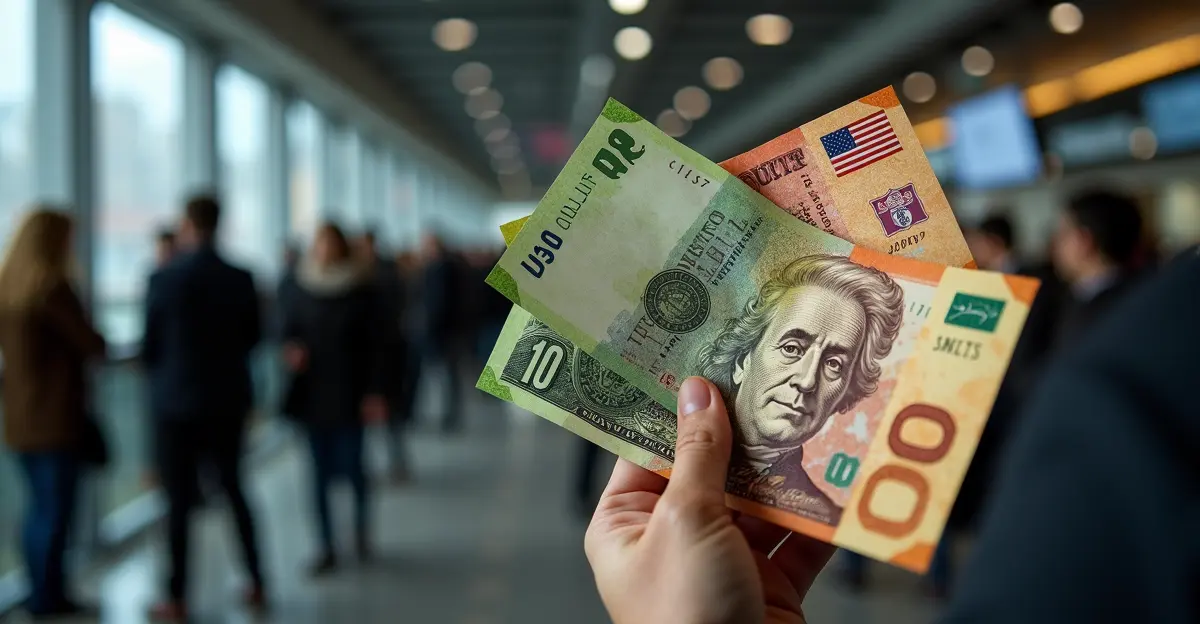
The US dollar's share of global foreign exchange reserves has fallen to 56.9% in early 2026, according to IMF data, marking a two-decade low that is quietly reshaping the architecture of international finance. While the greenback still anchors nearly 88% of daily foreign exchange turnover, the structural erosion of its reserve status is accelerating as BRICS central banks stockpile gold and emerging markets sign bilateral trade deals in local currencies. This analysis examines whether the world is witnessing a permanent diversification away from the dollar or a temporary cyclical adjustment.
What the IMF Data Reveals About the Dollar's Decline
According to the IMF's Currency Composition of Official Foreign Exchange Reserves (COFER), total global reserves stood at $13.1 trillion in early 2026. The dollar's 56.9% share compares with the euro at roughly 20%, the yen near 5.5%, and the renminbi below 2%. A decade ago, the dollar accounted for over 60% of allocated reserves. The decline has been gradual but persistent, with the dollar losing nearly 15 percentage points since its 2001 peak above 72%. The IMF now reports a complete currency composition after eliminating the unallocated category in 2025, making the erosion more visible. IMF COFER data shows the shift is broad-based across emerging and advanced economies.
Key Drivers of the Dollar's Erosion
- Sanctions risk: the 2022 freeze of $300 billion in Russian reserves convinced many central banks that dollar assets carry geopolitical risk.
- US fiscal deterioration: federal debt surpassed $38.5 trillion, raising concerns about long-term Treasury sustainability.
- Alternative payment infrastructure: China's CIPS, Russia's SPFS, and the 2026 launch of BRICS Pay have reduced reliance on SWIFT.
- Gold accumulation: central banks, led by BRICS members, have bought record amounts of gold as a neutral reserve asset.
BRICS Gold Purchases Hit a 70-Year High
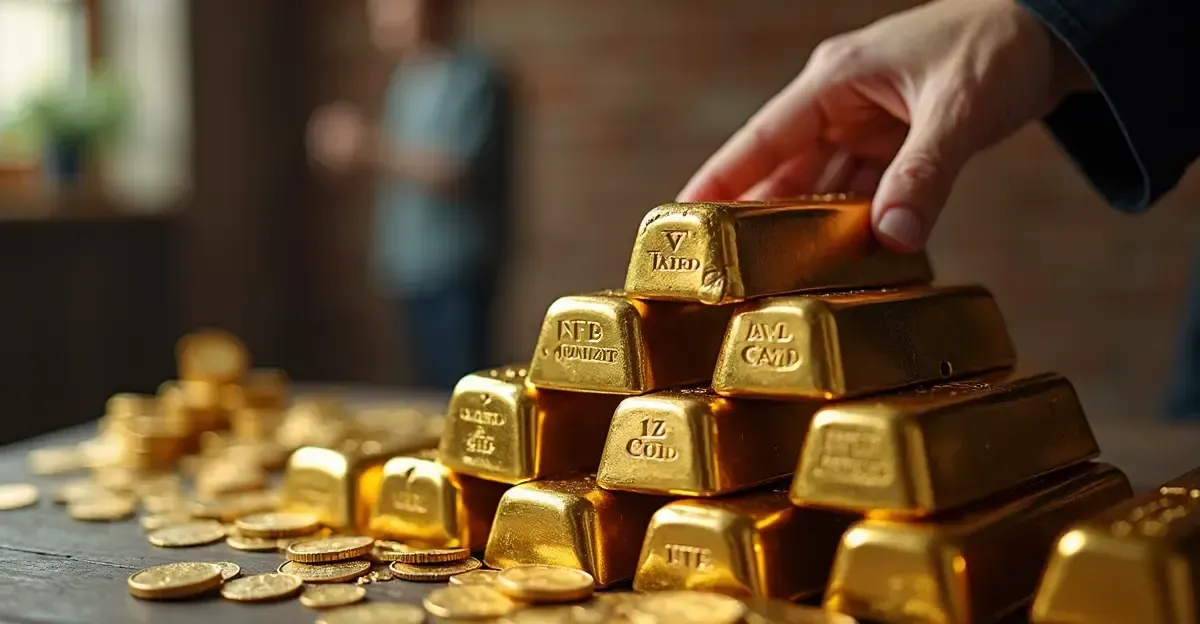
BRICS central banks purchased more than 1,100 tonnes of gold in 2025, the largest annual accumulation in 70 years, according to market data compiled by bullion analysts. China, India, and Russia led the buying, with Poland also a major buyer outside the bloc. The World Gold Council reports that central bank gold demand has remained elevated for several consecutive years, driven by diversification away from dollar assets. Gold hit a record high above $5,500 per ounce in early 2026, reflecting both safe-haven demand and reserve rebalancing. central bank gold demand is now a key indicator of de-dollarization momentum.
Non-Dollar Energy Trade and Local Currency Agreements
A growing share of energy trade is now priced outside the dollar. The BRICS energy alliance has launched petroyuan contracts covering 46 million barrels per day, with yuan-denominated oil deals reaching 20% of daily Brent volumes in 2025. Saudi Arabia and the UAE have expanded yuan settlement mechanisms, while Russia and Iran now conduct most bilateral energy trade in national currencies. Bilateral local currency swap agreements have proliferated across emerging markets: China's central bank now has swaps with more than 40 counterparts, and intra-BRICS local currency trade reached 67% of transactions in 2026. These shifts chip away at the dollar's role as the invoicing currency for global commodities. petroyuan energy markets are a central front in the currency competition.
Structural Shift or Cyclical Blip? Expert Views
Many analysts argue the trend is structural rather than cyclical. Mark Carney, former Bank of England governor, has described a move toward a multipolar monetary system where the dollar, euro, gold, and digital currencies coexist. Yet OMFIF researchers caution that dissatisfaction with the dollar does not equal displacement: the dollar still accounts for about 59% of global trade invoicing, 88% of FX turnover, and nearly half of international debt issuance. The dollar's deep liquidity, rule of law, and safe-asset status remain unmatched. A CNBC analysis in April 2026 noted that geopolitical crises—such as the Iran conflict—temporarily boosted dollar demand, underscoring its safe-haven role. The balance of evidence points to gradual diversification, not collapse. global financial stability may be tested as reserve portfolios fragment.
Implications for Global Financial Stability and Investors
A structurally lower dollar share could push US Treasury yields higher by 50-100 basis points if foreign official demand wanes, raising borrowing costs for the US government and corporations. Currency hedging costs for multinational firms may rise as more trade is invoiced in non-dollar currencies. Investors should consider multi-currency portfolios, gold allocations, and exposure to emerging market local debt as hedges. Central banks may need to expand swap lines to manage liquidity in a multipolar reserve system. currency hedging strategies will become increasingly important for global asset managers.
FAQ
What is de-dollarization?
De-dollarization is the process of reducing reliance on the US dollar for international trade, reserves, and financial transactions.
Why are central banks buying so much gold?
Gold is seen as a neutral, sanctions-proof reserve asset that preserves value amid geopolitical uncertainty and dollar diversification.
Is the dollar's reserve status collapsing?
No. The dollar remains dominant, but its share is gradually declining as other currencies and gold gain ground.
How does this affect US Treasury markets?
Reduced foreign official demand for Treasuries could raise yields, increasing US borrowing costs and market volatility.
What currencies could gain reserve share?
The euro, Chinese renminbi, and gold are the most likely beneficiaries of a more multipolar system.
Conclusion
The quiet unwinding of dollar reserve dominance is neither a sudden crisis nor a temporary blip. It is a slow, structural diversification driven by geopolitics, fiscal risks, and the rise of alternative payment systems. For investors and policymakers, the message is clear: prepare for a world where the dollar shares the stage.


Follow Discussion