Deutsch
 English
 Español
 Français
 Nederlands
 Português






Iran's Economic Crisis Sparks Deadliest Protests in Three Years
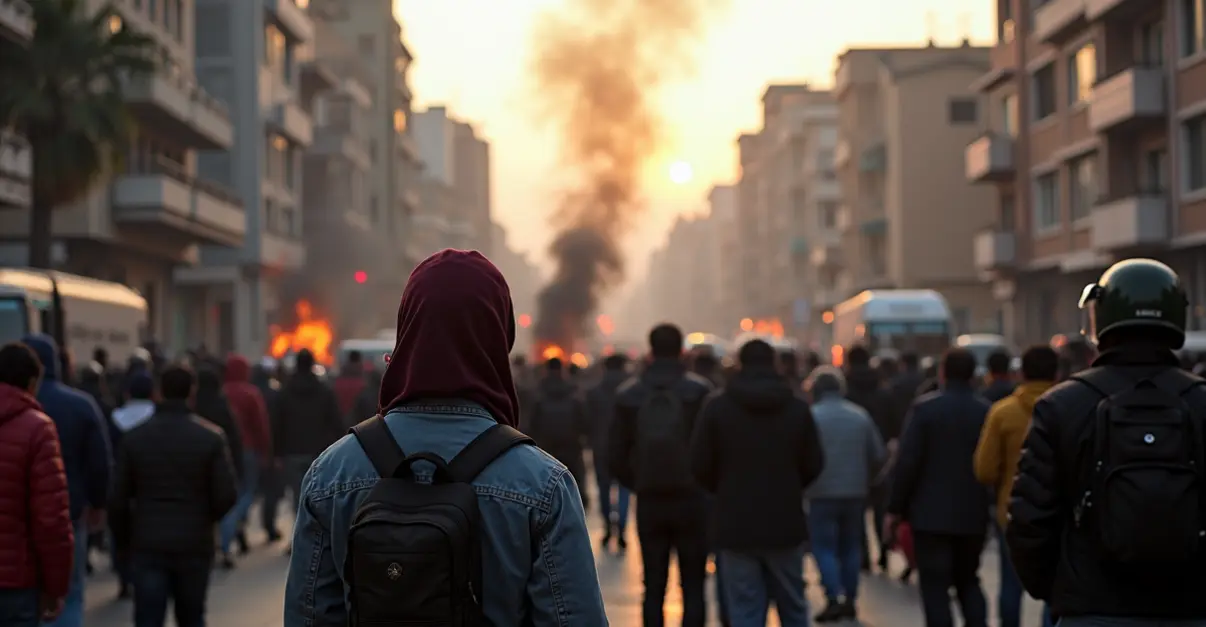
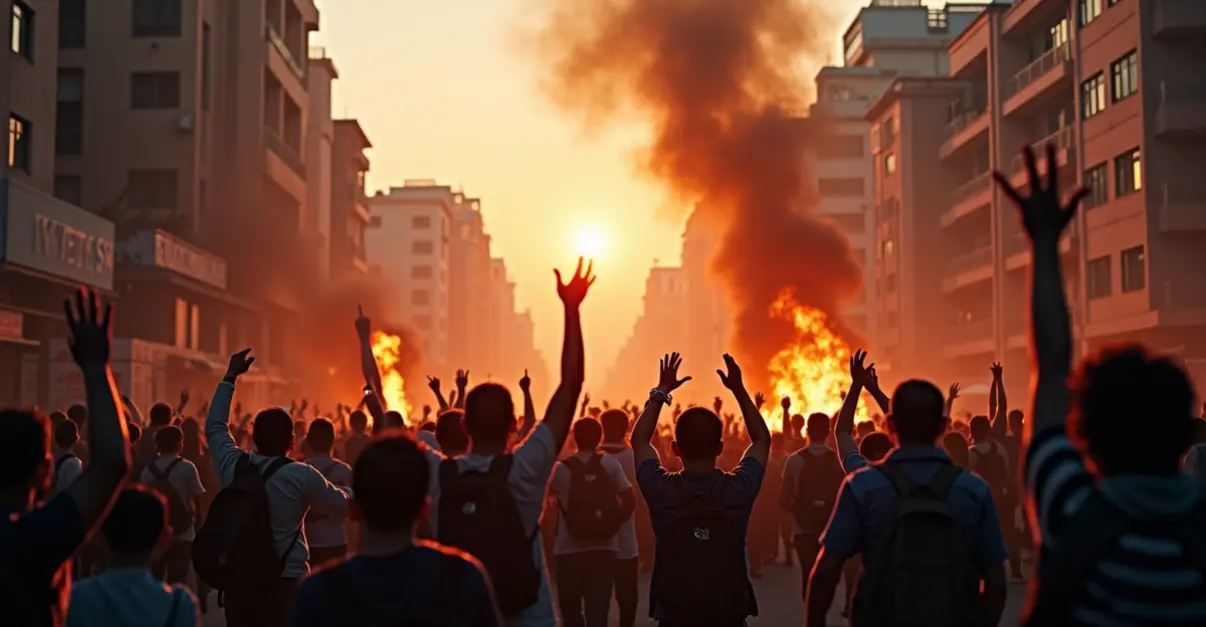
Iran is experiencing its most significant wave of civil unrest since the 2022 Mahsa Amini protests, with multiple fatalities reported as economic discontent escalates into violent confrontations between demonstrators and security forces. The protests, which began on December 28, 2025, have spread across the country, fueled by a collapsing currency, soaring inflation, and widespread economic hardship.
Deadly Confrontations Across Multiple Cities
According to reports from Iranian media and human rights organizations, several people have been killed in different locations across Iran. The government-linked Fars news agency and rights group Hengaw reported deaths in Lordegan, a city in western Iran. Authorities also confirmed one fatality in Kuhdasht, another western city, while Hengaw reported an additional death in the central province of Isfahan.
The exact circumstances surrounding the deaths remain unclear, with conflicting reports about whether the victims were protesters or security personnel. 'The situation has escalated dramatically in the past 48 hours,' said an anonymous human rights activist monitoring the protests. 'What began as economic protests has now turned into something much more dangerous.'
Economic Roots of the Unrest
The protests originated with shopkeepers in Tehran's Grand Bazaar who began closing their stores on Sunday in protest against the government's handling of the economic crisis. The Iranian rial has collapsed to record lows, trading at approximately 1.4 million rials to the US dollar - a dramatic devaluation that has made basic goods unaffordable for many Iranians.
Inflation has reached 42.2% in December 2025, with food prices soaring by 72% and healthcare costs increasing by 50%. 'People can't afford to eat, and the government seems more concerned with foreign policy than with its own citizens,' said Reza, a Tehran-based merchant who participated in the initial protests.
The economic crisis has been exacerbated by the reinstatement of United Nations sanctions in September 2025, after the UK, France, and Germany triggered the snapback mechanism in the UN Security Council, citing Iran's violations of the 2015 nuclear deal. These sanctions have further isolated Iran's economy from global markets.
Government Response and Escalation
President Masoud Pezeshkian has attempted to address the crisis by replacing the head of the central bank and expressing willingness to engage in dialogue with protesters. However, these measures have done little to quell the unrest. On Monday, just one day after protests began, the president of Iran's central bank resigned, and Pezeshkian quickly appointed a former minister as his replacement.
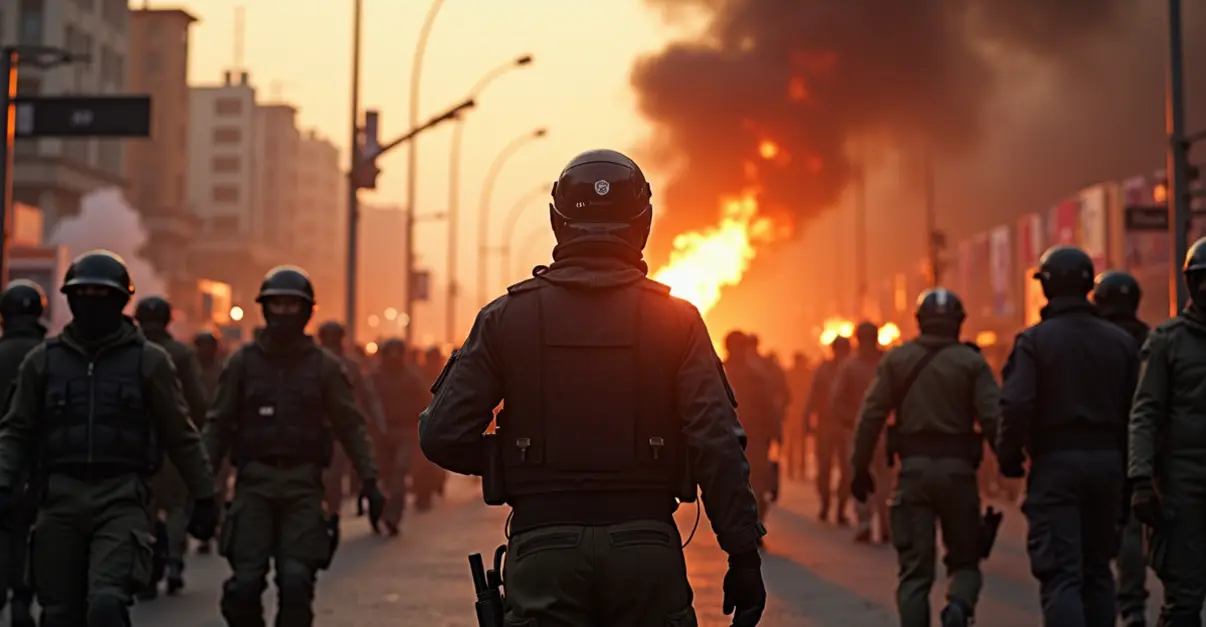
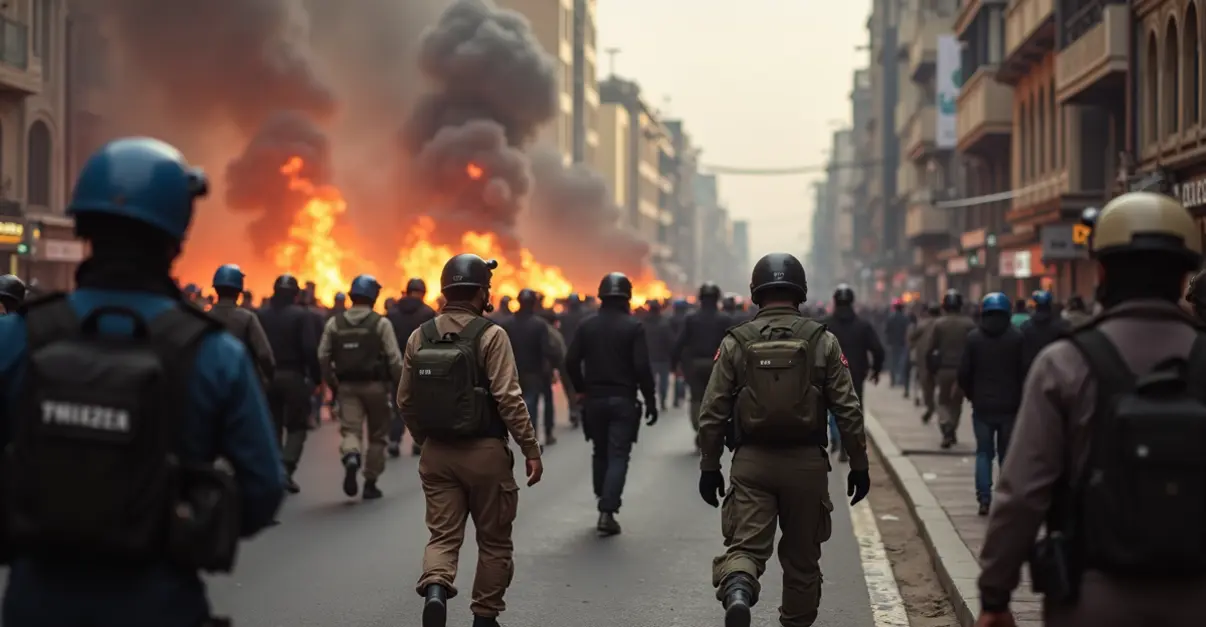
Security forces have responded to the protests with tear gas and, according to some reports, live ammunition. Videos circulating on social media show demonstrators attempting to storm government buildings in the southern city of Fasa, while protesters in other cities have been heard chanting anti-government slogans including 'Death to the dictator' and 'Neither Gaza nor Lebanon, my life for Iran.'
'This represents the most serious challenge to the regime since the 2022 protests,' noted Middle East analyst Sarah Miller. 'The combination of economic desperation and political discontent creates a volatile situation that could have significant regional implications.'
Historical Context and Future Outlook
The current protests mark the largest outbreak of unrest in Iran since the 2022-2023 Mahsa Amini protests, which were brutally suppressed by authorities. That movement, sparked by the death of a young woman in police custody, resulted in hundreds of deaths and thousands of arrests.
Experts warn that the economic situation shows no signs of immediate improvement. According to Wikipedia's analysis of Iran's economic crisis, between 27% and 50% of Iranians now live below the poverty line, a stark increase from 2022. The ministry of social welfare announced in 2024 that 57% of Iranians experience some level of malnutrition.
As protests continue into their fifth day, the international community watches closely. The United States and European nations have expressed concern about the violence, while regional powers assess the potential implications for Middle Eastern stability. With no clear resolution in sight, many analysts believe the protests could mark a turning point in Iran's political landscape.