Nederlands
 English
 Deutsch
 Français
 Español
 Português





Comprehensive Damage Assessment Shows Rising Costs and Community Vulnerability
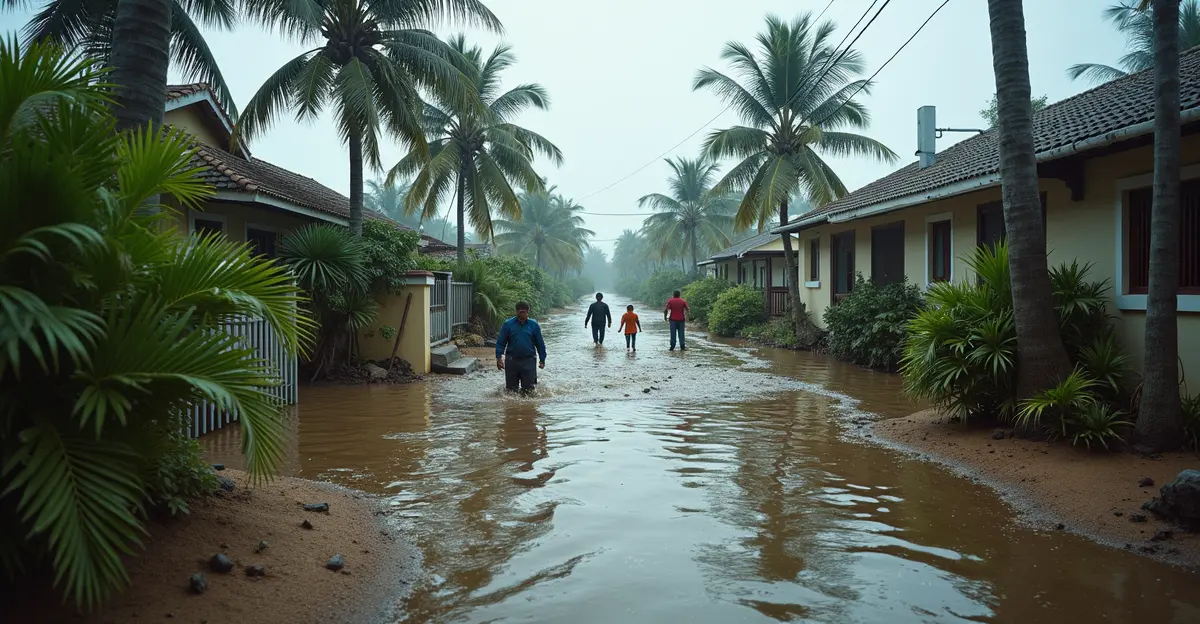
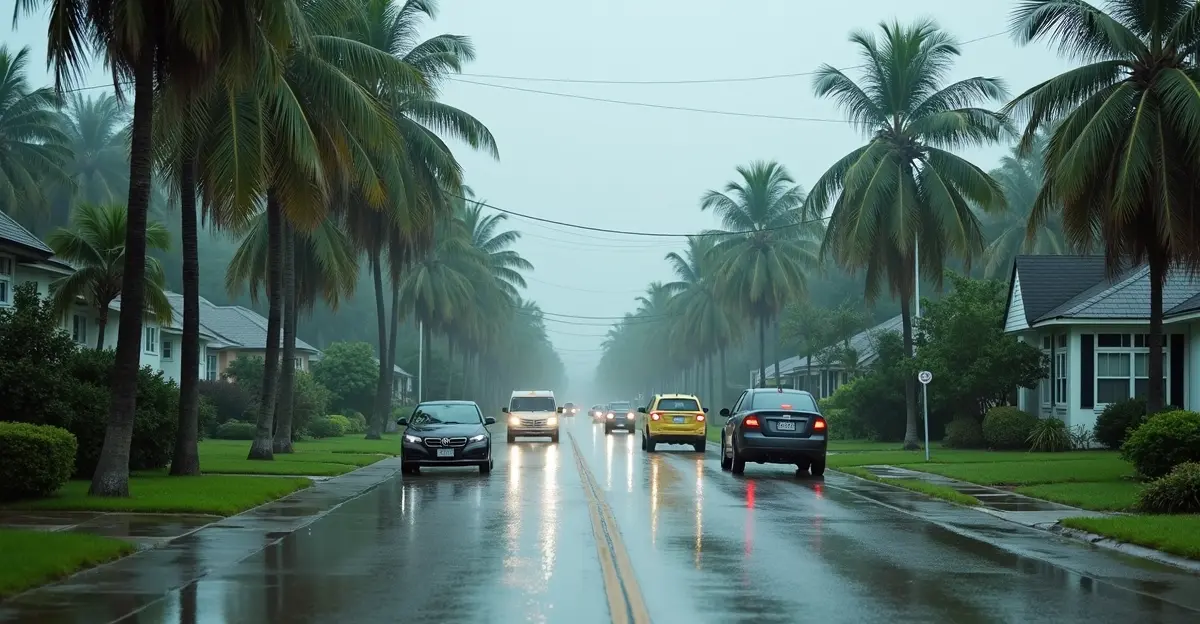
A major new report analyzing tropical cyclone damage from recent events has been published, revealing significant implications for insurance markets, government policy, and vulnerable communities. The analysis comes as climate change intensifies storm systems, creating unprecedented challenges for disaster response and financial resilience.
Record-Breaking 2025 Hurricane Season Sets Stage
The 2025 Atlantic Hurricane Season was exceptionally active with 13 named storms, 5 hurricanes, and 4 major hurricanes, far exceeding the 1991-2020 normal averages. According to NOAA data, the season produced 22 direct deaths and $3 million in U.S. damage, with Hurricane Melissa reaching Category 5 status with 160 kt winds. The Accumulated Cyclone Energy reached 132.0 x 10^4 kt^2, representing a staggering 44,062% increase above normal.
'We're seeing storms intensify faster and hit harder than ever before,' says Dr. Maria Rodriguez, a climate scientist at the National Hurricane Center. 'The data clearly shows that warmer ocean surfaces are providing more fuel for these systems, leading to stronger hurricanes occurring three times more often than a century ago.'
Insurance Markets Under Pressure
The report highlights growing strain on insurance markets, with homeowners' insurance premiums increasing 8.7% faster than inflation from 2018-2022. Residents in high-risk areas are paying 82% more than those in low-risk zones, according to industry analysis. Insurance non-renewal rates are approximately 80% higher in highest-risk areas, and insurers are exiting markets like Florida due to unsustainable losses.
'The insurance industry is at a crossroads,' notes insurance analyst James Wilson. 'We're seeing premiums skyrocket while coverage becomes harder to obtain in vulnerable coastal regions. This creates a dangerous situation where homeowners may be underinsured or completely unprotected.'
Community Impacts and Policy Implications
More than 25% of U.S. homes, with a combined value of $13 trillion, face severe climate risks according to a Realtor.com report from August 2025. These properties are vulnerable to major climate-related hazards including flooding, wildfires, and hurricanes. The findings underscore the growing economic implications of climate change on residential real estate across the United States.
The damage report calls for several policy changes, including improved building codes in vulnerable areas, better early warning systems, and innovative insurance solutions. 'We need to move from reactive disaster response to proactive risk management,' says policy expert Sarah Chen. 'This means investing in resilient infrastructure, creating public-private insurance partnerships, and developing comprehensive evacuation plans that account for the new reality of more intense storms.'
Global Context and Historical Perspective
Tropical cyclones have caused significant destruction worldwide, resulting in about 2 million deaths since the 19th century. According to Wikipedia data, an average of 86 tropical cyclones of tropical storm intensity form annually worldwide, with 47 reaching hurricane/typhoon strength, and 20 becoming intense tropical cyclones. The western Pacific is the most active basin while the north Indian is the least active.
Recent catastrophic events include Cyclone Idai in March 2019, which hit central Mozambique and became the deadliest tropical cyclone on record in Africa with 1,302 fatalities and damage estimated at US$2.2 billion. In the United States, hurricanes Katrina in 2005 and Harvey in 2017 remain the country's costliest ever natural disasters, with monetary damage estimated at US$125 billion each.
Looking Ahead to 2026
The Gallagher Re Natural Catastrophe and Climate Report for January 2026, while not publicly accessible in detail, represents forward-looking analysis from the reinsurance industry. Such reports typically examine emerging trends, risk assessments, and climate-related developments in global insurance markets, providing strategic insights into climate-related financial risks.
'The data is clear: we're entering a new era of tropical cyclone impacts,' concludes disaster resilience expert Dr. Robert Kim. 'Communities, markets, and policymakers must adapt quickly to this changing reality. The cost of inaction will be measured not just in dollars, but in lives and livelihoods lost.'