


 Deutsch
 English
 Español
 Français
 Nederlands
 Português


 Share
Share




Massive Coastal Destruction from Tropical Cyclone Triggers Emergency Response
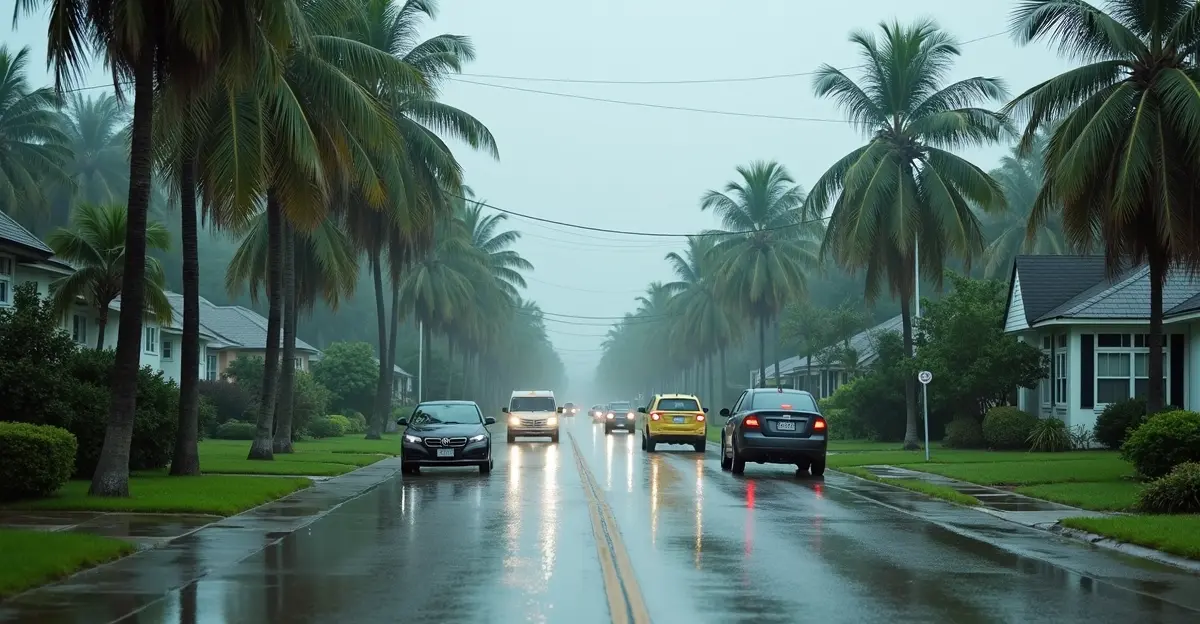
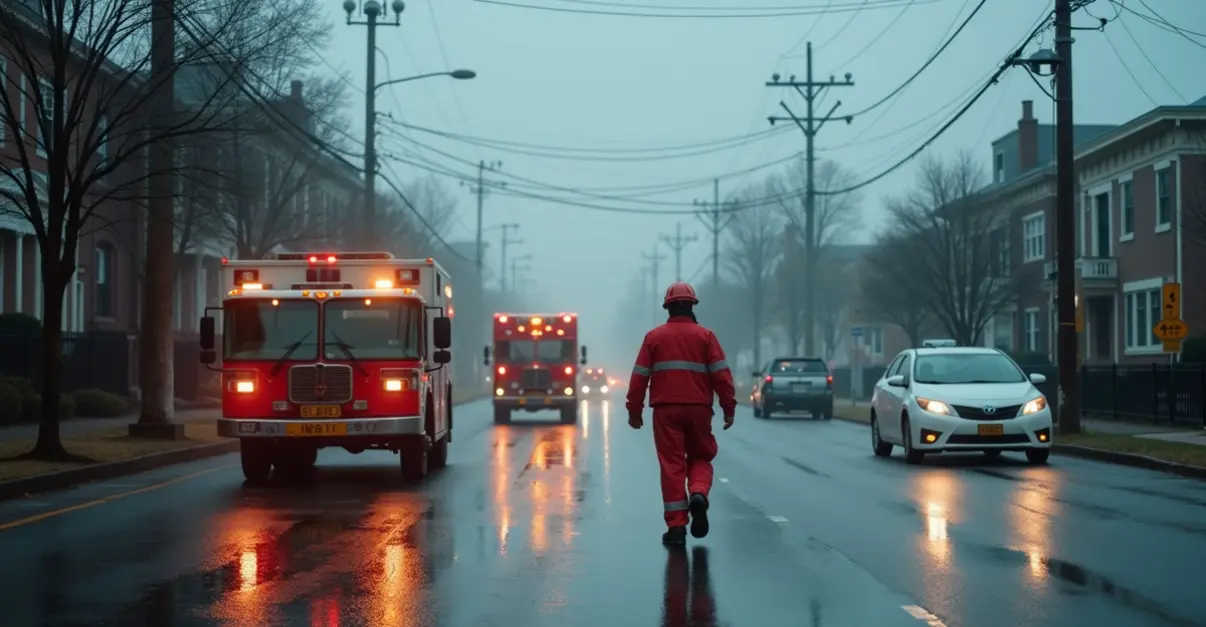
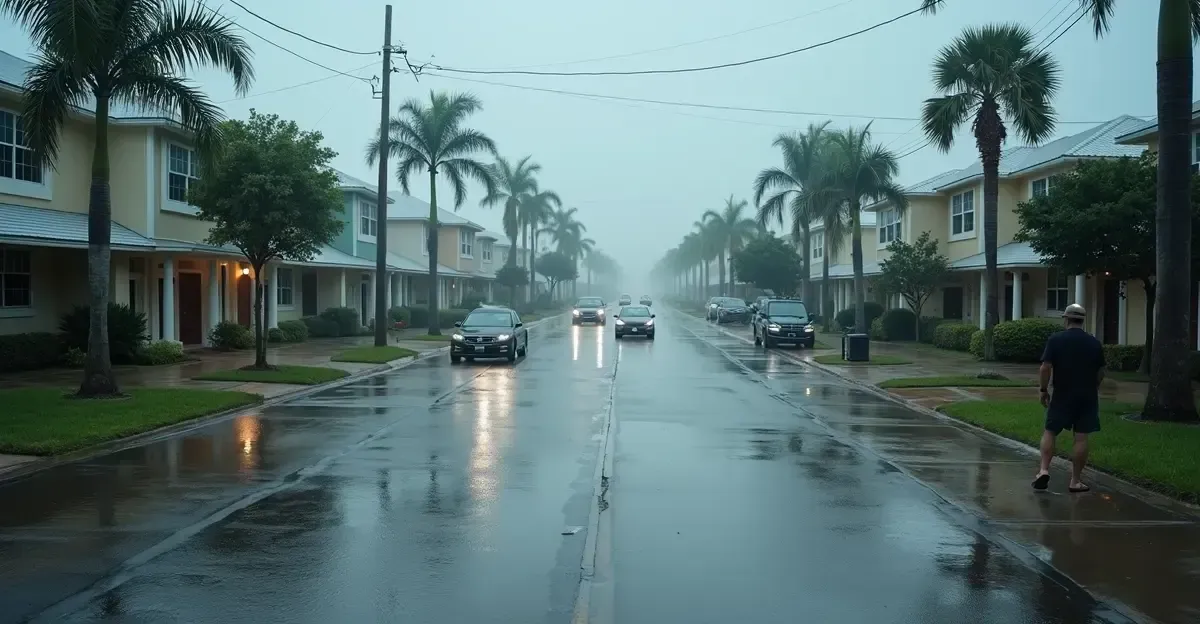
A powerful tropical cyclone has left a trail of destruction along coastal regions, causing widespread damage to critical infrastructure, homes, and businesses. Emergency services are working around the clock as communities face what officials are calling one of the worst natural disasters in recent memory. The storm's impact has exposed significant vulnerabilities in coastal protection systems and emergency response capabilities.
Infrastructure Damage and Insurance Claims Surge
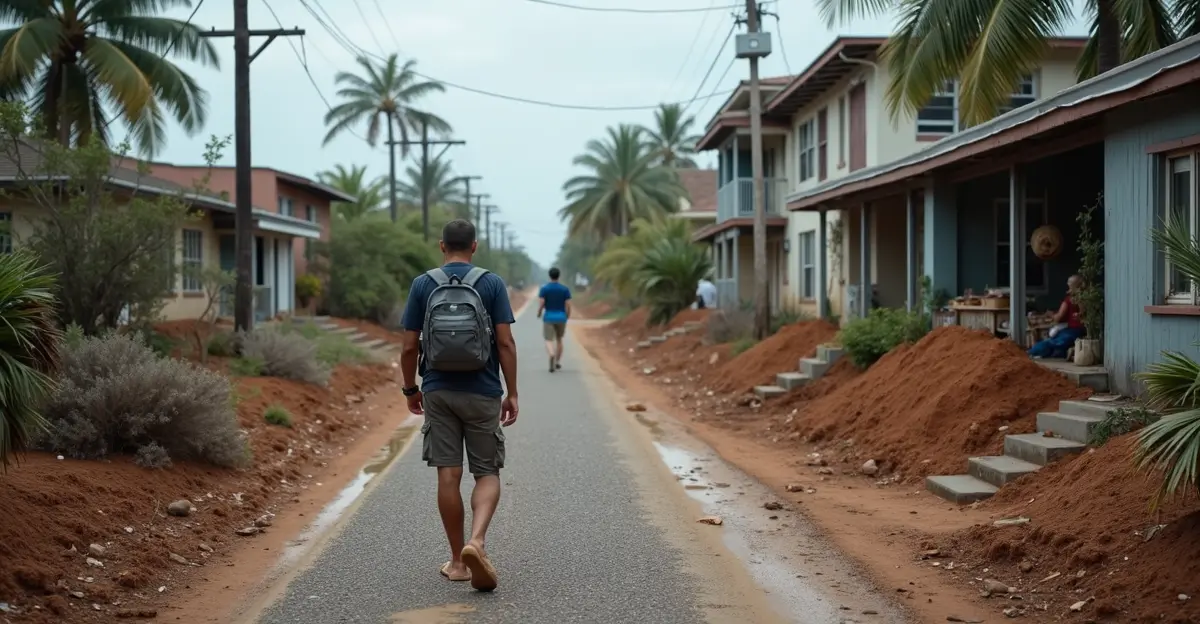
Early assessments indicate billions of dollars in property damage, with coastal infrastructure bearing the brunt of the destruction. Roads, bridges, power grids, and communication networks have been severely compromised, hampering rescue and recovery efforts. Insurance companies are bracing for a flood of claims, with initial estimates suggesting insured losses could reach tens of billions of dollars.
'We've never seen damage on this scale before,' said emergency management director Sarah Johnson. 'The combination of storm surge, high winds, and flooding has created a perfect storm of destruction that will take years to fully recover from.'
According to Moody's RMS 2024 Catastrophe Review, global natural catastrophes caused approximately $320 billion in economic losses this year, with insured losses reaching $135-140 billion. Tropical cyclones have contributed significantly to these figures, highlighting the growing financial impact of extreme weather events.
Recovery Challenges and Funding Needs
The recovery process faces multiple challenges, including limited insurance coverage for flood damage and strained government resources. Only about 6% of homeowners in affected areas have flood insurance despite 90% of natural disasters involving flooding, creating a massive gap in financial protection.
'The insurance market in these coastal regions has been eroding for years,' explained insurance analyst Michael Chen. 'Many residents are underinsured or completely uninsured for flood damage, which means the burden will fall heavily on government disaster relief programs.'
Congress is facing pressure to approve additional funding, with recovery costs potentially exceeding $34 billion according to Moody's Analytics estimates. FEMA recently received a $20 billion infusion but requires supplemental funding to address the scale of the current disaster.
Lessons from Past Cyclones and Future Preparedness
The current disaster echoes the devastation caused by Cyclone Gabrielle in 2023, which became the costliest tropical cyclone on record in the Southern Hemisphere with total damage estimated at NZ$14.5 billion (US$9.2 billion). That event highlighted the need for improved building codes, better early warning systems, and more resilient infrastructure.
Insurance experts recommend that affected businesses and homeowners take immediate action to document losses thoroughly. Guidance from insurance recovery specialists emphasizes collecting and reviewing all applicable insurance policies, timely compliance with policy conditions, detailed documentation of losses, and professional assistance when needed.
'We need to rethink how we build and protect our coastal communities,' said climate resilience expert Dr. Elena Rodriguez. 'These events are becoming more frequent and intense due to climate change, and our current approaches are inadequate. We need significant investment in resilient infrastructure and better insurance mechanisms.'
The systematic review published in ScienceDirect examined cyclone-induced damages globally, finding vegetation damage as the most prevalent impact (46% of studies), followed by water/sanitation issues (11%), crop damages (8%), and income/business losses (8%). These findings underscore the multifaceted nature of cyclone impacts and the need for comprehensive recovery strategies.
Path Forward for Affected Communities
As emergency response transitions to long-term recovery, communities face difficult decisions about rebuilding. Some areas may need to consider managed retreat from vulnerable coastal zones, while others will focus on building back better with more resilient structures.
The insurance industry is also adapting, with claims adjusters reporting that insurance reforms have helped limit hurricane losses in 2024. These regulatory changes represent important steps toward creating more sustainable insurance markets in disaster-prone regions.
The road to recovery will be long and expensive, but experts emphasize that this disaster presents an opportunity to build more resilient communities better prepared for future climate challenges.
Follow Discussion