Nederlands
 English
 Deutsch
 Français
 Español
 Português





International Donors Commit to Flood Recovery Amid Growing Humanitarian Crisis
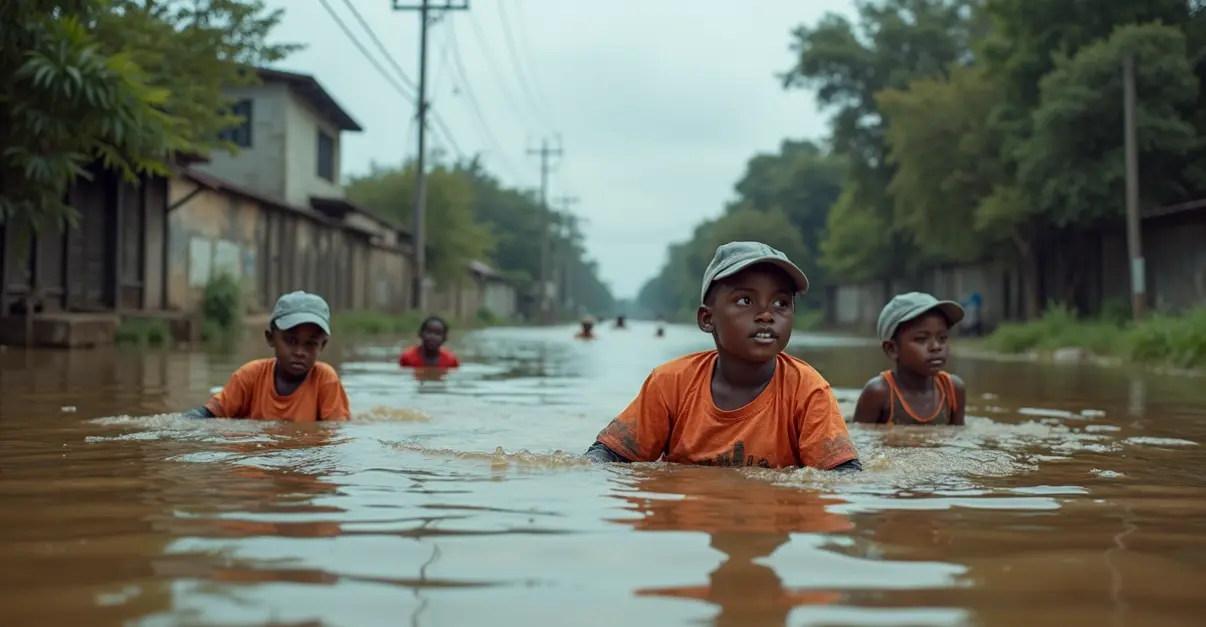
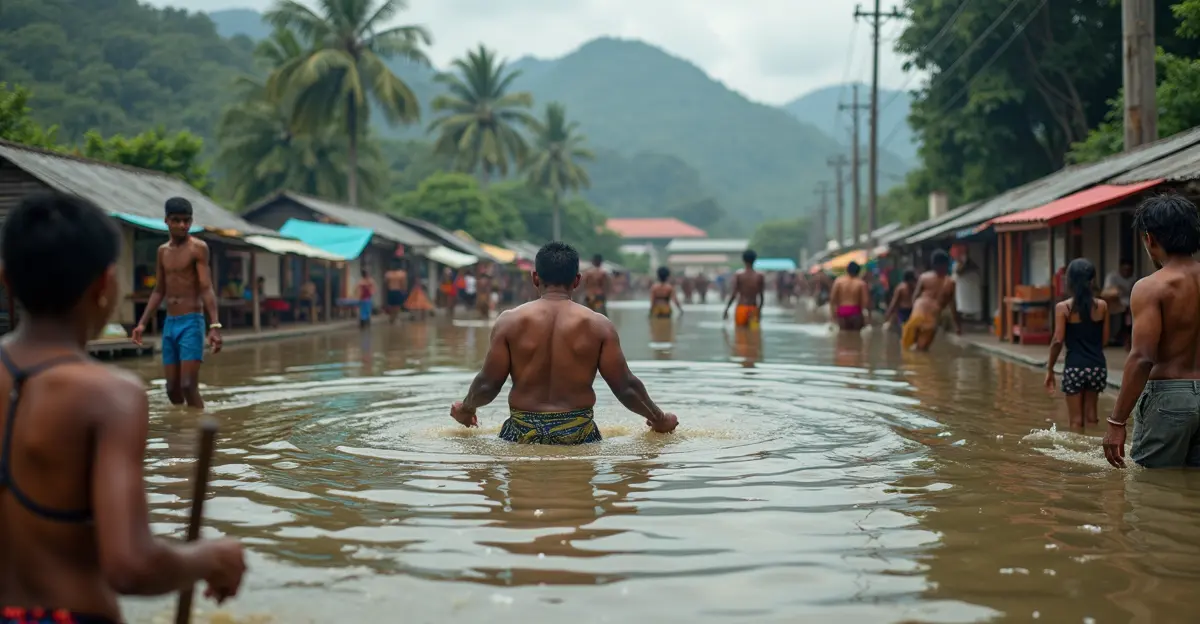
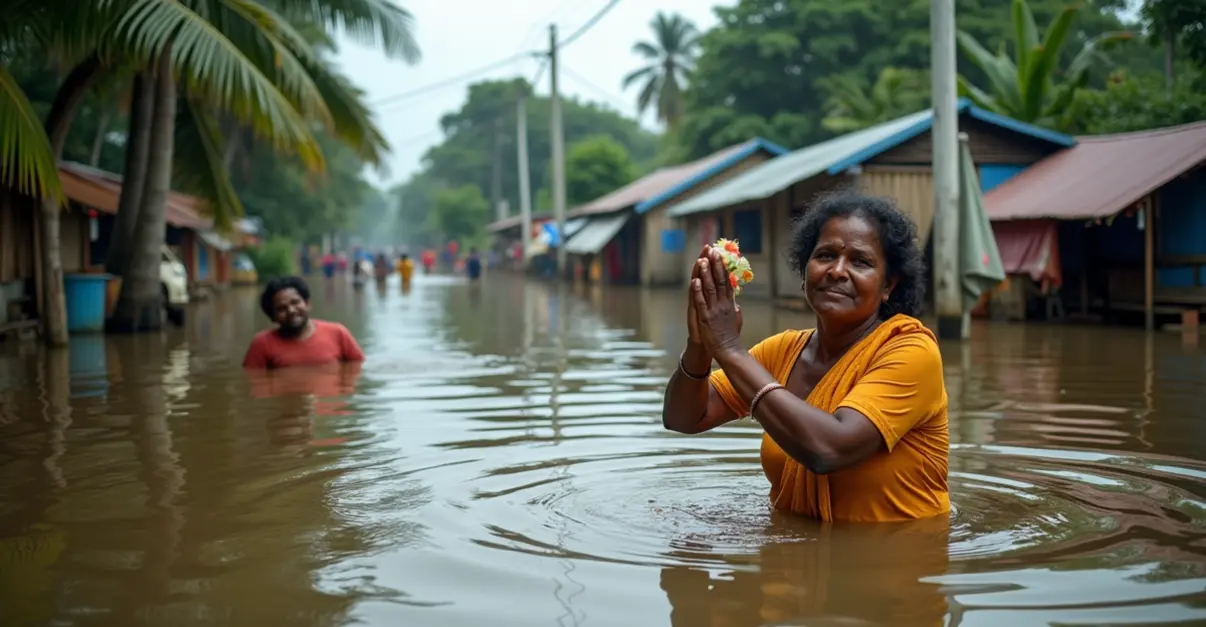
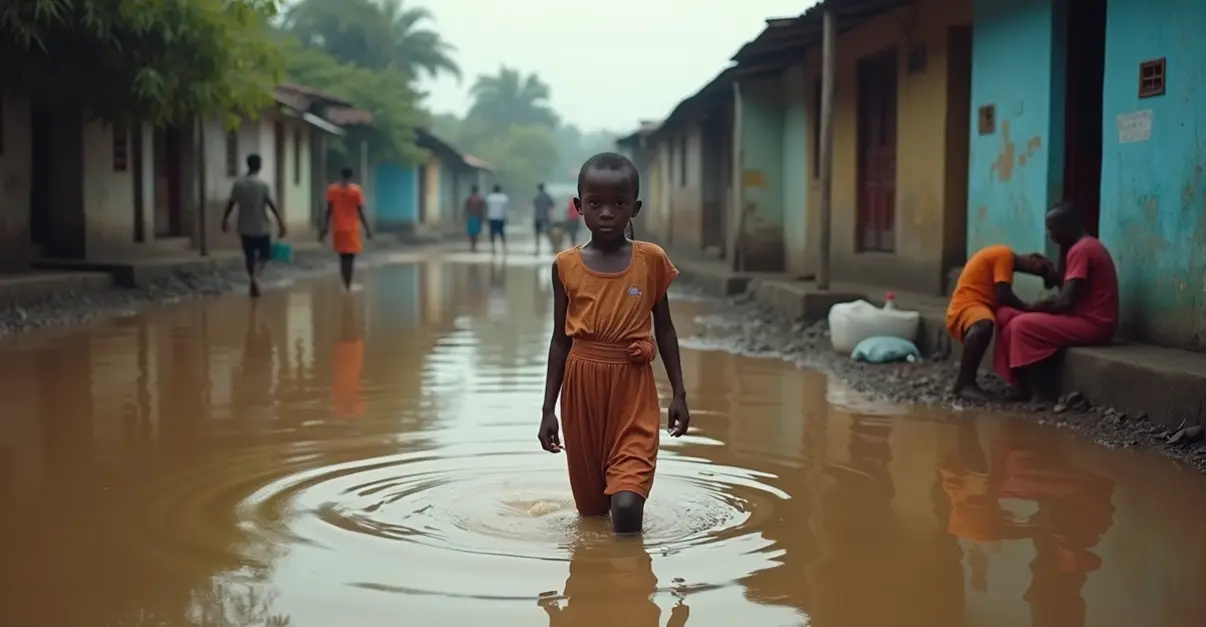
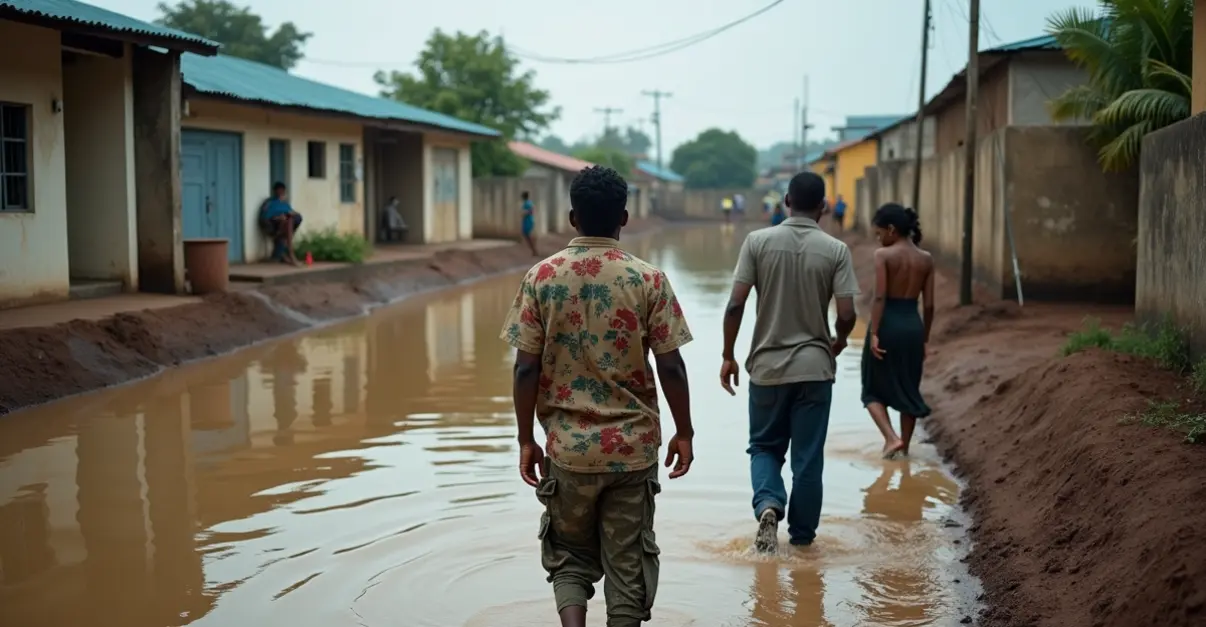
In a critical response to escalating global flood disasters, international donors have pledged substantial recovery funds while facing what UN Secretary-General António Guterres describes as a humanitarian system 'running on empty.' The pledges come as devastating floods from South Africa's Kruger National Park to Bangladesh have displaced millions and caused billions in damage, testing the limits of international aid mechanisms.
Funding Commitments and Allocation Timelines
The Central Emergency Response Fund (CERF), established in 2006 as the UN's primary rapid-response mechanism, received just $300 million in pledges for 2026 at its annual pledging event—a significant decline from last year's $351 million. This marks the lowest funding level since 2015, creating what experts call a 'dangerous mismatch' between needs and resources.
'We're facing a perfect storm of increasing disasters and decreasing funding,' says humanitarian analyst Maria Chen. 'CERF has allocated $435 million in 2025 to support millions in over 30 countries, but the Global Humanitarian Overview for 2026 estimates $23 billion is needed to reach 87 million people in desperate need.'
The allocation process follows strict timelines: CERF can respond within hours to emergencies, as demonstrated by its 16-minute response to flood warnings in Bangladesh. For longer-term reconstruction, the World Bank's Global Facility for Disaster Reduction and Recovery (GFDRR) coordinates multi-year recovery packages, like the $6.7 billion response to Hurricane Melissa in Jamaica.
Reconstruction Priorities and Strategic Focus
Reconstruction efforts prioritize what experts call 'building back better'—creating more resilient infrastructure that can withstand future disasters. In Kruger National Park, where January 2026 floods caused hundreds of millions in damage, the SANParks' Kruger Recovery Fund focuses on resilience-enhancing infrastructure while addressing immediate revenue losses that threaten South Africa's entire national parks network.
'The key is not just rebuilding what was lost, but creating systems that are more sustainable and disaster-resistant,' explains disaster recovery specialist Dr. James Peterson. 'This means everything from elevated bridges to improved early warning systems.'
Priority areas include critical infrastructure (bridges, roads, water systems), housing reconstruction, economic recovery programs, and environmental restoration. The United Nations Office for Disaster Risk Reduction (UNDRR) emphasizes that investing in resilient infrastructure yields $4 in benefits for every $1 invested in low- and middle-income countries.
Oversight Mechanisms and Accountability
Transparency and accountability have become central concerns as funding declines and needs increase. The CERF Advisory Group, consisting of government officials from contributing and recipient countries, humanitarian NGOs, and academic experts, provides policy guidance and monitors fund usage.
The U.S. Government Accountability Office (GAO) recently added 'Improving the Delivery of Federal Disaster Assistance' to its 2025 High-Risk Series, reflecting challenges from recent hurricanes. 'We've seen too many cases where funds get delayed in bureaucracy or don't reach the most vulnerable communities,' says oversight advocate Sarah Johnson. 'Strong monitoring mechanisms are essential, especially when every dollar counts.'
Key oversight tools include:
- Real-time tracking systems for fund disbursement
- Independent third-party audits
- Community-based monitoring involving local NGOs
- Regular reporting requirements to donor governments
- Publicly accessible databases of allocations and outcomes
The Path Forward
Despite the funding challenges, international coordination continues through mechanisms like FEMA's National Disaster Recovery Framework (NDRF), which promotes unified recovery efforts across governments, nonprofits, and businesses. The framework emphasizes resilience building and sustainable recovery planning.
As climate change intensifies flood risks globally—with disasters projected to reach 560 per year by 2030 according to UNDRR—the international community faces increasing pressure to maintain and expand flood recovery funding. The coming years will test whether donor commitments can keep pace with escalating needs, or whether the humanitarian system will face what Guterres warns could be catastrophic shortfalls.
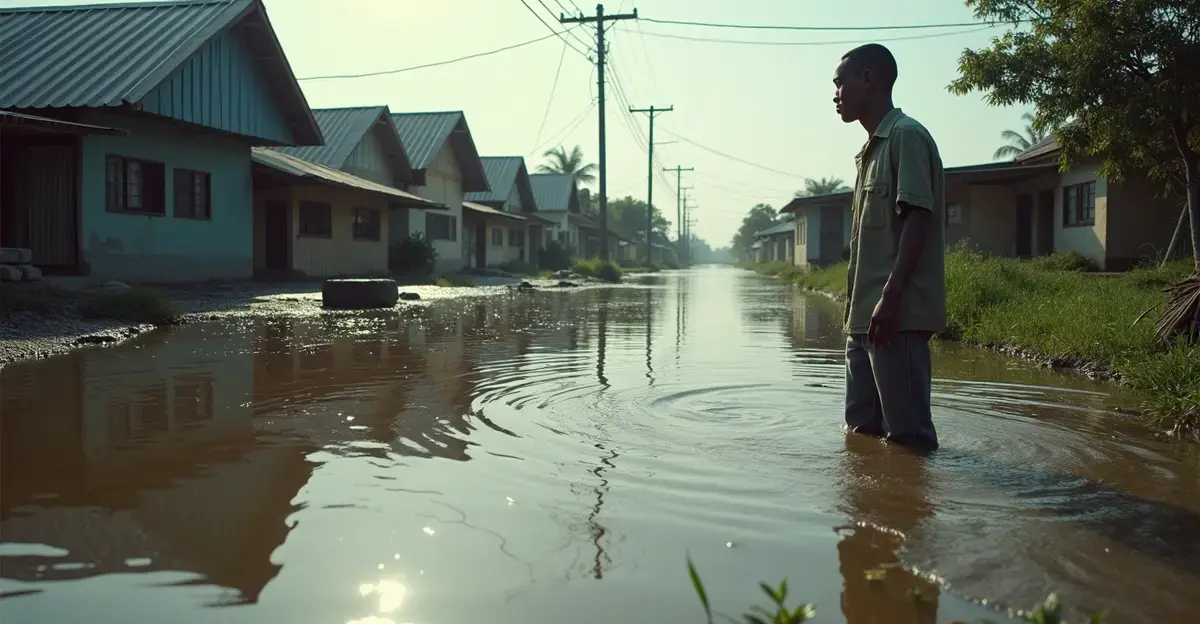
For now, recovery efforts continue in flood-ravaged regions worldwide, supported by a patchwork of international aid that, while strained, remains essential for millions of affected people.