
 Deutsch
 English
 Español
 Français
 Nederlands
 Português

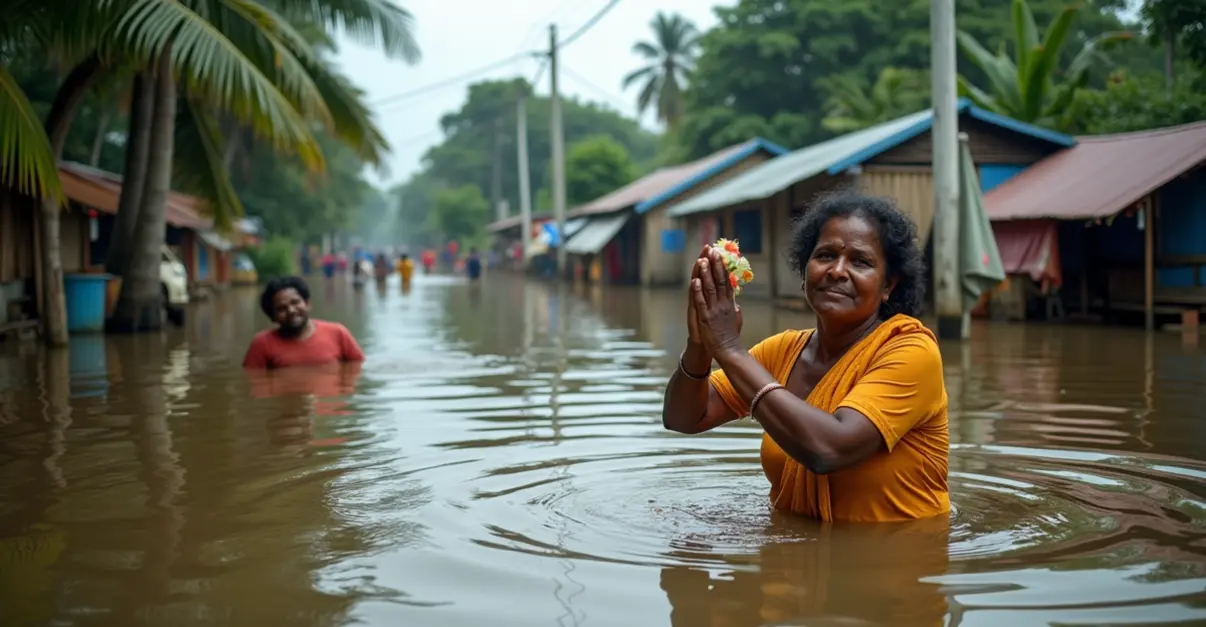





Comprehensive Relief Strategy Unveiled for Sri Lanka's Worst Natural Disaster in Decades
In response to the catastrophic impact of Cyclone Ditwah, which struck Sri Lanka in late November 2025, humanitarian organizations and government agencies have announced a comprehensive flood relief plan backed by $35.3 million in funding. The cyclone, which caused over 600 deaths and affected nearly 2 million people across all 25 districts of Sri Lanka, represents the country's deadliest natural disaster since the 2004 Indian Ocean tsunami.
Donor Coordination and Funding Structure
The newly announced Sri Lanka Humanitarian Priorities Plan outlines a coordinated approach involving multiple international donors and local partners. 'This disaster has hit women, children, elderly, and persons with disabilities hardest,' stated the UN Resident Coordinator in Sri Lanka. 'Our plan targets 1.2 million people in need, with special focus on 658,000 especially vulnerable individuals through April 2026.'
The funding includes $4.5 million already contributed from the Central Emergency Response Fund, with the remaining $30.8 million sought from international donors. The plan covers seven priority sectors: education, food security/agriculture/nutrition, health, protection, shelter/camp coordination, water/sanitation, and early recovery.
Sheltering Logistics and Temporary Housing Solutions
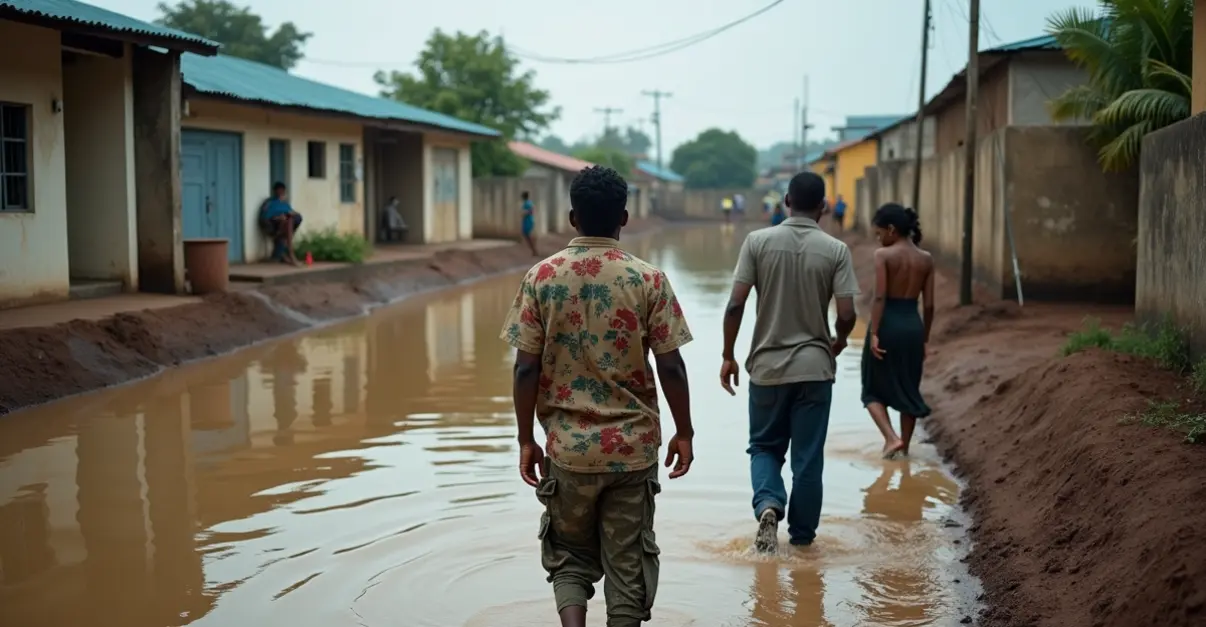
With over 107,000 homes damaged or destroyed and more than 272,000 people still displaced nearly a month after the disaster, sheltering logistics represent a critical component of the relief effort. Humanitarian organizations are implementing flood-resilient shelter designs based on new UNHCR guidelines published in June 2025.
'We're moving beyond traditional emergency shelters to create structures that can withstand future flood conditions,' explained a shelter coordination officer working in the affected regions. 'This includes proper site selection, elevated foundations, and durable materials that can handle the monsoon conditions common in this region.'
The United Nations Disaster Assessment and Coordination (UNDAC) team has been instrumental in rapid response coordination, deploying within 24-48 hours of the government's request. Their work includes innovative practices like drone use for rapid mapping and damage assessment in hard-to-reach areas.
Early Recovery Steps and Long-term Resilience
The relief plan emphasizes early recovery steps that bridge immediate humanitarian response with longer-term development. Agriculture losses alone exceed $800 million, with 58,000 hectares of paddy land flooded. The economic impact has been devastating for a country already grappling with pandemic recovery and economic challenges.
The U.S. Economic Development Administration's FY2025 Disaster Supplemental Grant Program provides a model for recovery-focused funding, offering $1.447 billion for communities affected by disasters in 2023-2024. While this specific program targets U.S. communities, similar principles are being applied in Sri Lanka through resilience-focused projects including infrastructure repair, vulnerability assessments, and flood mitigation improvements.
'We're not just rebuilding what was lost; we're building back better with climate resilience in mind,' said a disaster recovery specialist involved in the planning. 'The World Weather Attribution group found that heavy precipitation events around Sri Lanka are now 28% to 160% more intense due to global warming. Our recovery efforts must account for this new reality.'
Challenges and Future Outlook
Despite the comprehensive plan, significant challenges remain. More than 1,300 schools and six universities sustained damage, threatening educational continuity for thousands of children. Protection concerns are heightened for vulnerable populations, particularly women and children in displacement camps.
The humanitarian community is also implementing lessons from the Humanitarian Reset Phase Two announced in June 2025, which emphasizes devolving power to country-level humanitarian leaders and increasing funding to local actors, particularly women-led organizations.
'This disaster has shown us the critical importance of coordinated, community-rooted response,' noted Tom Fletcher, UN Emergency Relief Coordinator. 'We're moving from a system driven by fundraising to one based on greatest need, with aspirations to direct 50% of pooled funding to local responders.'
As recovery efforts continue through April 2026, the international community watches closely, recognizing that the success of this relief plan could set important precedents for future disaster response in an era of increasing climate-related emergencies.




Follow Discussion