Deutsch
 English
 Español
 Français
 Nederlands
 Português







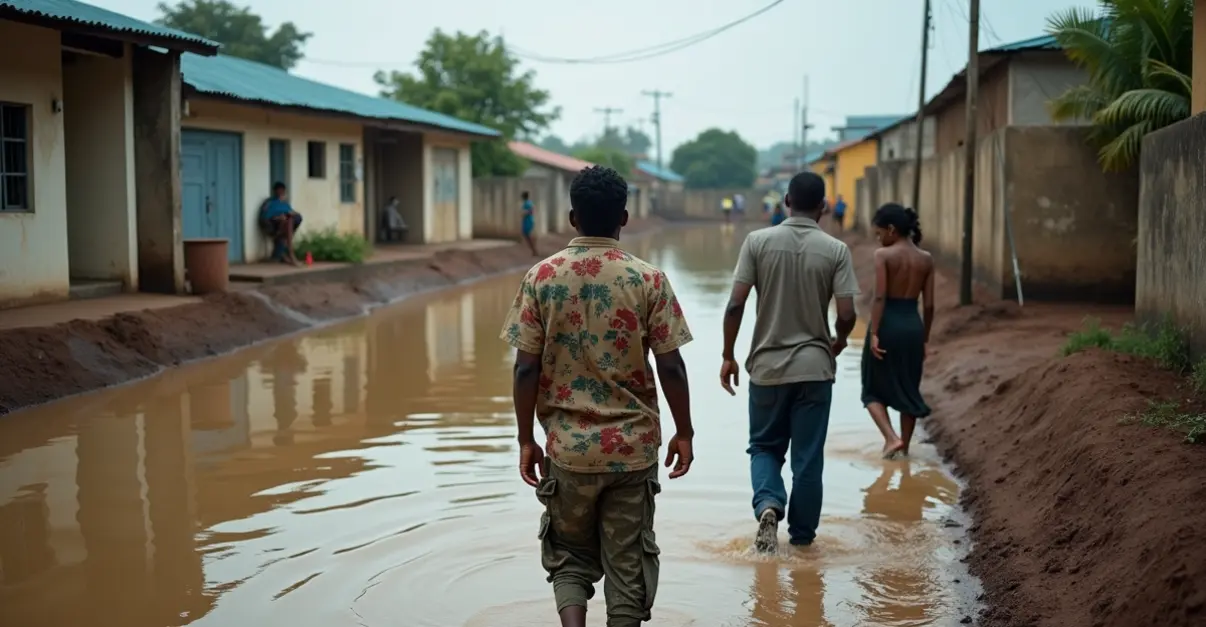
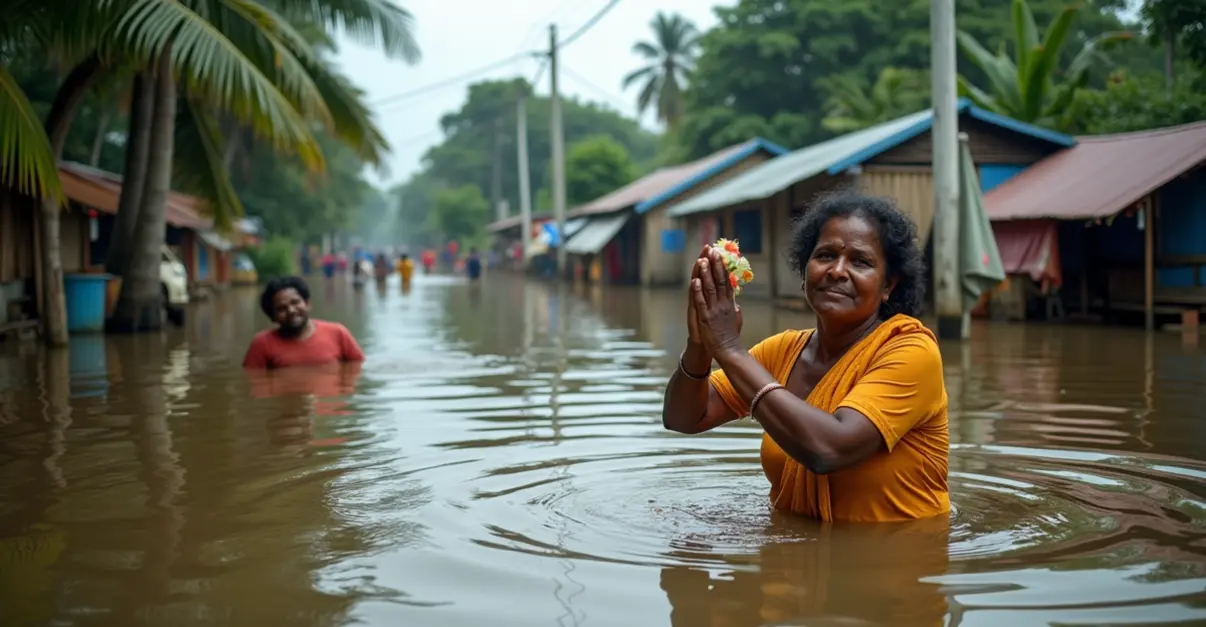
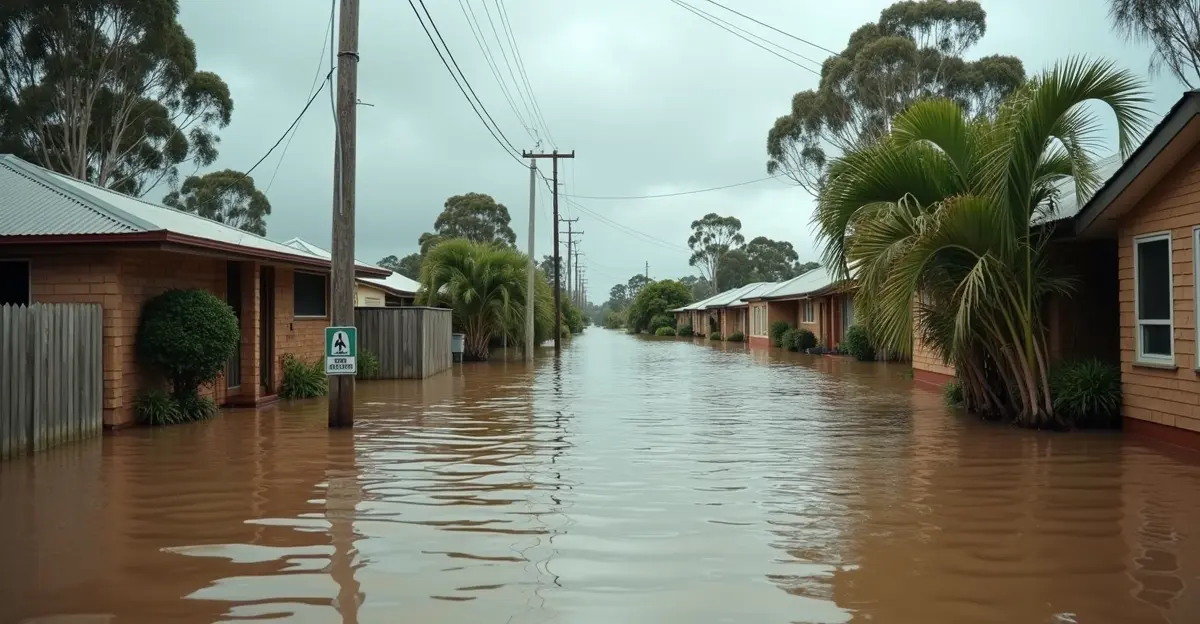
Emergency Relief Appeals Exceed Targets After Flooding
In a surprising turn of events, emergency relief appeals for recent major flooding disasters have exceeded their funding targets, even as humanitarian organizations warn of critical funding gaps and coordination challenges that threaten recovery timelines. The phenomenon highlights both the generosity of global donors and the systemic issues plaguing disaster response systems worldwide.
Record-Breaking Response Meets Systemic Challenges
According to recent data from multiple humanitarian organizations, appeals for flood disasters in 2025 have seen unprecedented response rates. 'We've never seen this level of immediate public support,' said Tom Fletcher, UN Emergency Relief Coordinator. 'But the cruel math of humanitarian aid means we're still forced to make impossible choices about who gets help.'
The Global Humanitarian Overview 2025 Special Edition reveals that while individual disaster appeals are meeting targets, overall humanitarian funding has been decimated by brutal cuts. The report describes a system of 'hyper-prioritization' where aid organizations must do less with less despite escalating global needs.
Coordination Challenges Threaten Recovery
Despite successful fundraising, coordination remains a major obstacle. The Government Accountability Office (GAO) recently added federal disaster assistance delivery to its High-Risk List in February 2025, citing fragmentation across more than 30 federal entities and overwhelming FEMA's workforce. 'We're managing over 600 open major disaster declarations, some nearly 20 years old,' explained a senior FEMA official who requested anonymity. 'The system is stretched beyond capacity.'
The GAO testimony highlights that disasters have become more frequent and costly, with 27 billion-dollar disasters in 2024 compared to 14 in 2018, resulting in 568 deaths. This increasing frequency has exposed fundamental weaknesses in how disaster assistance is coordinated and delivered.
Legislative Reforms Offer Hope
The FEMA Act of 2025 (H.R. 4669) represents one of the most significant updates to federal disaster management law in decades. The legislation reorganizes FEMA as an independent cabinet-level agency and introduces major reforms including creating block grants for small disasters ($1-10M damage) with 30-day distribution, expediting emergency work funding (25% within 10 days), and implementing a universal application system for survivors across multiple federal agencies.
'For local leaders, these changes mean faster funding access, reduced paperwork, and clearer procurement standards,' said a spokesperson for the National League of Cities. 'But implementation will be key.'
International Humanitarian Crisis Deepens
On the global stage, the situation appears even more dire. The International Committee of the Red Cross (ICRC) has issued a renewed appeal for 2025 to address a significant humanitarian funding gap exceeding CHF 300 million. Most underfunded operations are in Africa, where needs total over CHF 300 million, with Afghanistan also critically underfunded.
UN relief chief Tom Fletcher has launched a 'survival appeal' for $29 billion to address what he calls 'the most severe funding shortfall in humanitarian aid history.' 'This is a triage of human survival with heartbreaking consequences,' Fletcher stated. 'We're asking for just 1% of what countries spent on war last year.'
Recovery Timelines Extended
The combination of funding gaps and coordination challenges has significantly extended recovery timelines for flood-affected communities. While initial emergency response has been well-funded, the transition to long-term recovery faces substantial hurdles.
The U.S. Economic Development Administration's FY2025 Disaster Supplemental Grant Program aims to address some of these challenges by providing supplemental funding for economic recovery efforts, helping regions rebuild infrastructure, create jobs, and develop long-term resilience strategies. However, bureaucratic delays in grant distribution continue to hamper progress.
'We have the funds, but we can't access them quickly enough,' said a local emergency manager from a flood-affected region. 'Every day of delay means more suffering for our community.'
The situation reveals a paradox in modern disaster response: while public generosity can quickly meet fundraising targets, systemic inefficiencies prevent timely delivery of aid. As climate change increases the frequency and severity of flooding disasters worldwide, reforming disaster response systems has become an urgent priority for governments and humanitarian organizations alike.