Nederlands
 English
 Deutsch
 Français
 Español
 Português





Record-Breaking Heatwave Fuels Unprecedented Bushfire Crisis
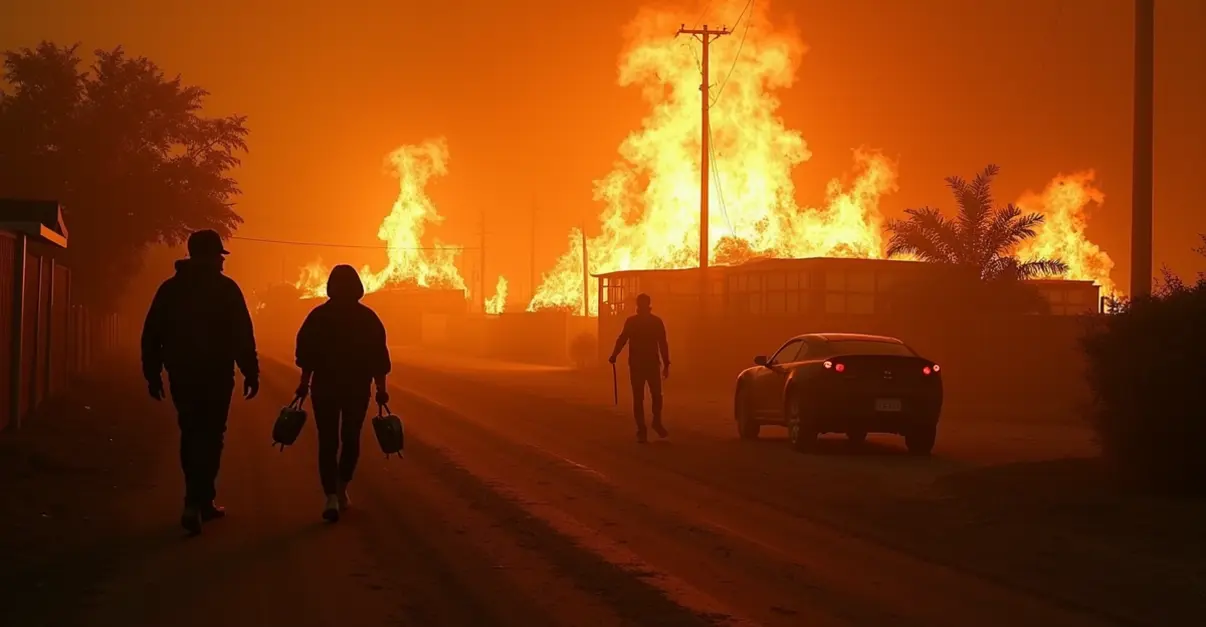
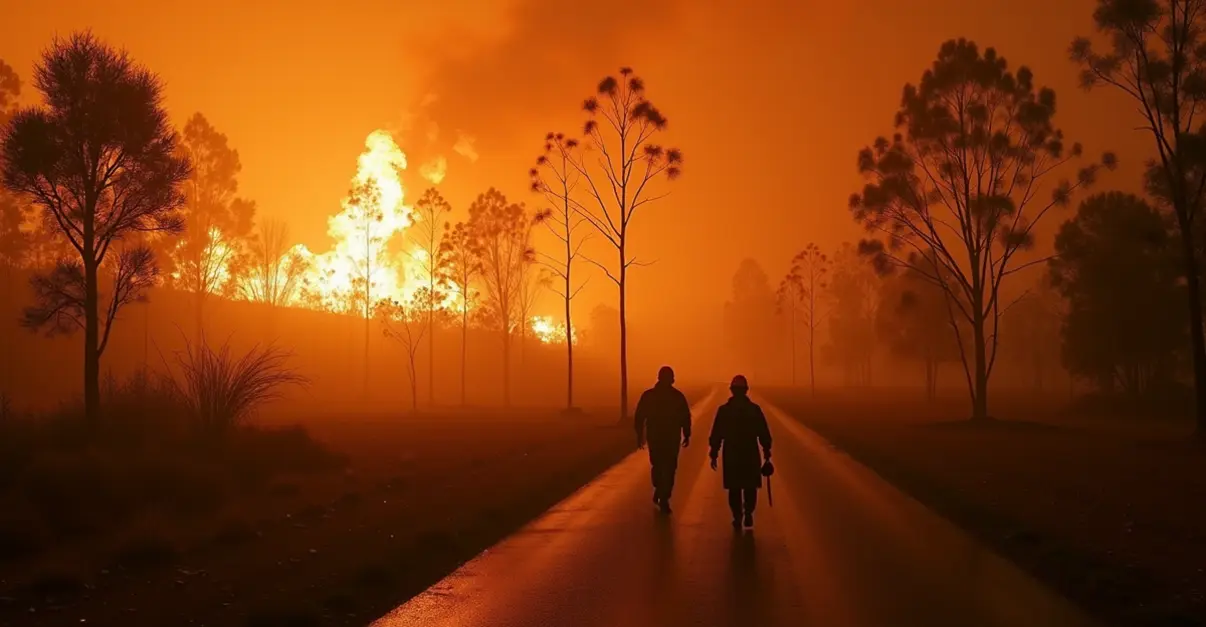
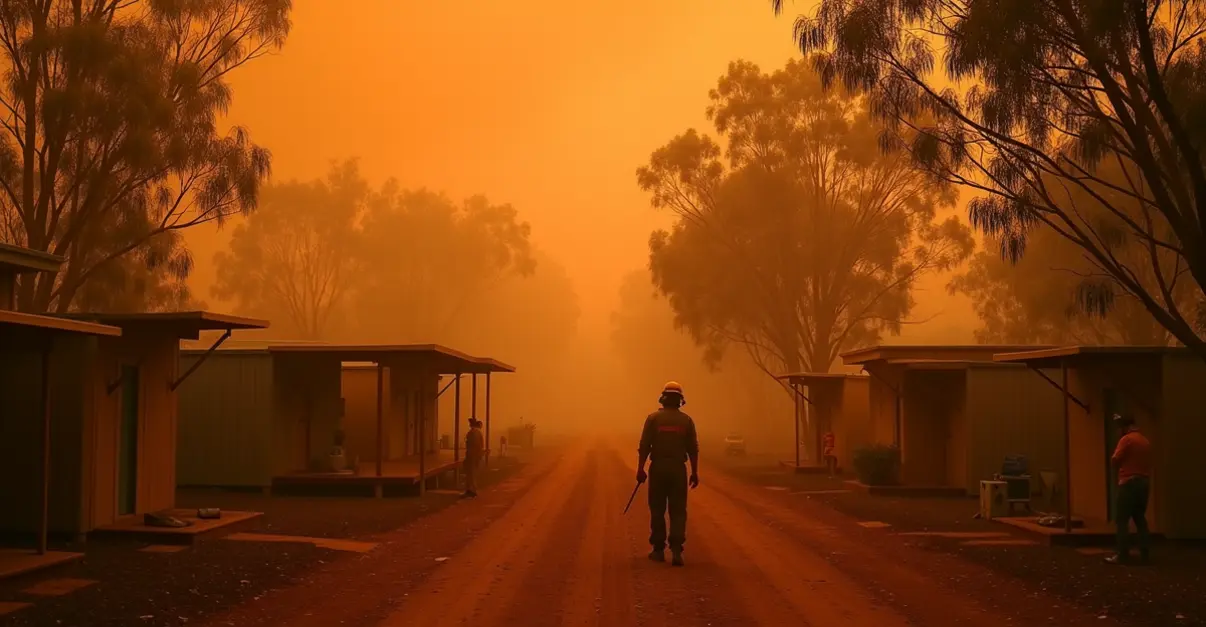
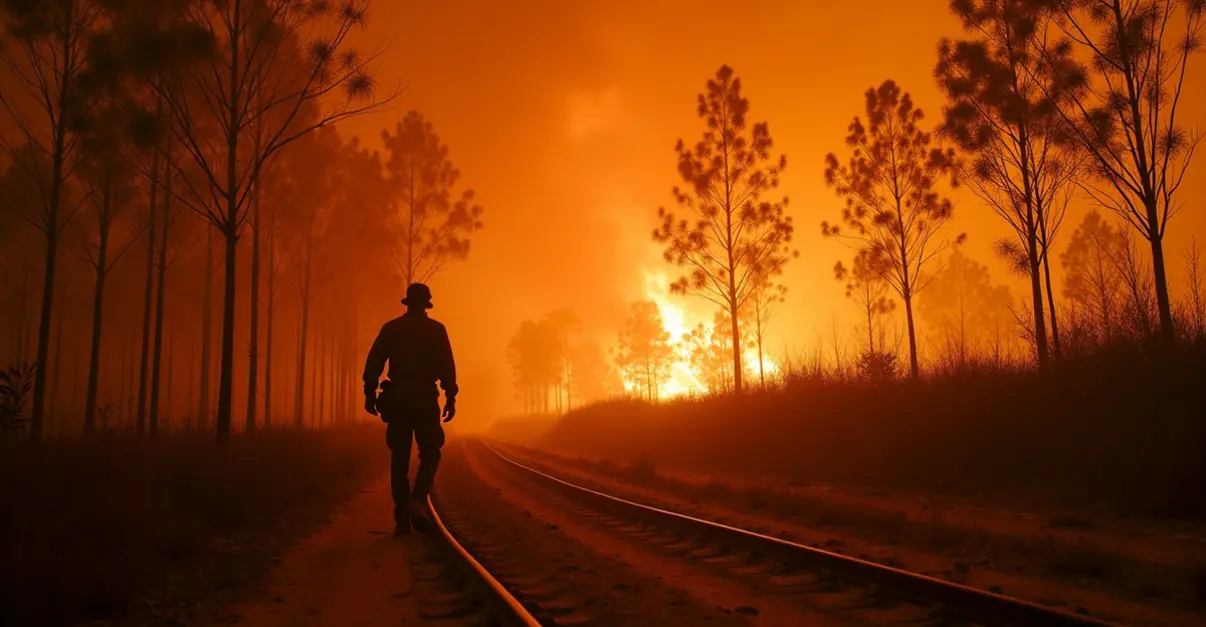
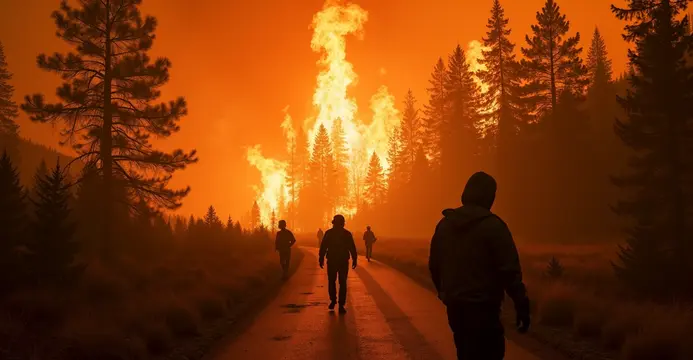
Australia's southeast is grappling with a catastrophic combination of extreme heat and raging bushfires that has left nearly 100,000 households without power and forced mass evacuations. Victoria, South Australia, and New South Wales are experiencing what emergency services describe as some of the most dangerous conditions in recent memory, with temperatures soaring to nearly 50°C (122°F) in some regions.
Historic Temperatures and Uncontrolled Blazes
Victoria shattered its heat record on Tuesday as Walpeup reached 48.9°C, surpassing the previous record of 48.8°C set during the devastating Black Saturday fires of 2009. In Renmark, South Australia, the mercury hit 49.6°C – just shy of the 50-degree mark that represents extreme danger for both human health and fire risk. 'This is unprecedented heat for this time of year,' said Bureau of Meteorology senior forecaster Dean Narramore. 'We're seeing conditions that would normally occur in February happening in late January, which is deeply concerning.'
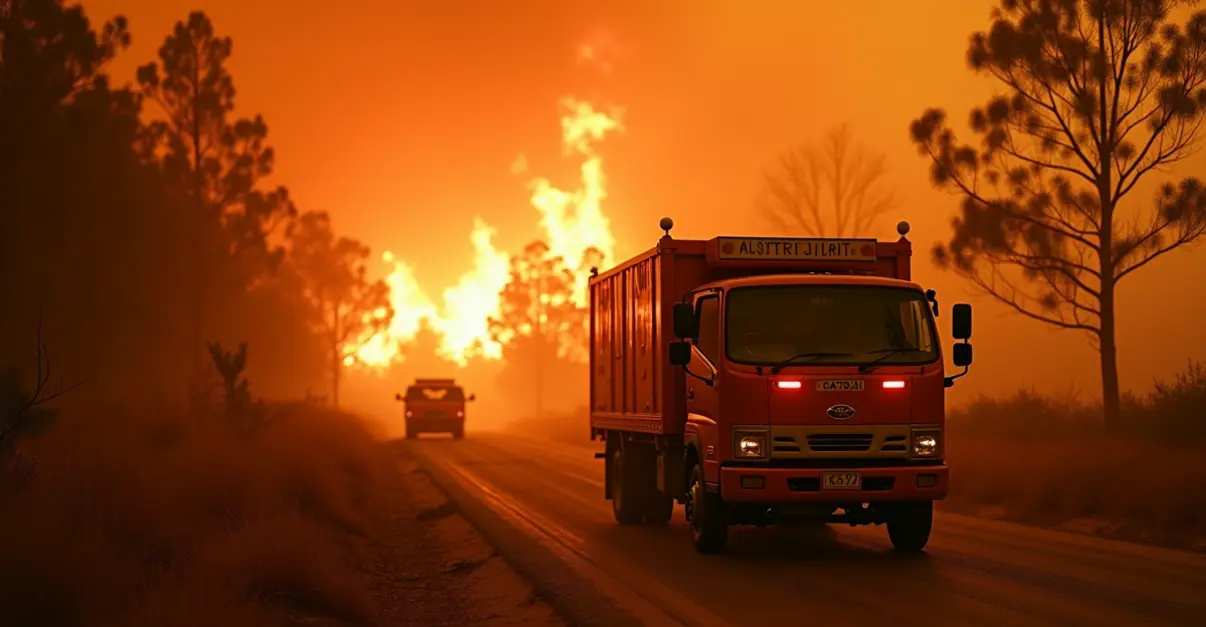
The extreme heat has fueled multiple out-of-control bushfires across three states. The most critical situation is unfolding in Victoria's Otway Ranges, where the Carlisle River fire complex has burned over 10,500 hectares since January 10. The blaze broke containment lines over the weekend and continues to spread rapidly, threatening dozens of communities along the iconic Great Ocean Road.
Mass Evacuations and Shelter-in-Place Orders
Emergency services have issued evacuation orders for more than 1,100 properties in the Otways region, with warnings that conditions could deteriorate rapidly. 'That fire will run – we cannot guarantee the safety of anyone who chooses to stay,' warned Victoria's Emergency Management Commissioner Rick Nugent during a press conference. 'We're dealing with fire behavior we haven't seen in this region before.'
In some areas, the situation has become so dangerous that authorities have upgraded warnings to 'shelter-in-place' orders. 'It is now too late to leave – leaving now would be deadly,' stated the Country Fire Authority in their latest bulletin for affected communities. Residents have been told their only option is to seek shelter indoors as the fire front approaches.
Widespread Power Outages and Infrastructure Damage
The bushfire crisis has triggered massive power failures across Victoria, with 98,000 households reportedly without electricity. The outages result from multiple factors: burning trees falling on power lines, heat-related equipment failures, and deliberate shutdowns to prevent further fire spread. 'We're seeing unprecedented demand on our grid combined with physical damage from fires,' explained an EnergyAustralia spokesperson. 'Restoration could take several days in the hardest-hit areas.'
Victoria also set a new record for power demand during the crisis, surpassing a 17-year-old benchmark as residents cranked up air conditioning to combat the extreme heat. The combination of high electricity usage and damaged infrastructure has created a perfect storm for energy providers.
Climate Context and Long-Term Outlook
This crisis comes during what has already been a severe bushfire season for Australia. According to Wikipedia data, the 2025-26 season has already claimed five lives, with significant fires occurring in New South Wales, South Australia, and Tasmania since December. The Australian Fire and Emergency Services Council had warned of heightened fire risk in southwestern and central Victoria this summer.
Climate scientists point to the broader pattern of intensifying heatwaves and bushfires in Australia. 'What we're witnessing is consistent with climate change projections for the region,' noted Dr. Sarah Perkins-Kirkpatrick from the University of New South Wales Climate Change Research Centre. 'Heatwaves are becoming more frequent, more intense, and lasting longer – and that directly translates to increased fire danger.'
The immediate forecast offers little relief, with temperatures expected to remain in the mid-to-high 40s across much of Victoria and South Australia for the coming days. Total fire bans remain in effect across multiple regions, and emergency services are preparing for what could be a prolonged crisis.
'We're not out of the woods yet,' Commissioner Nugent warned. 'The next 48 hours will be critical as we face more extreme conditions. Everyone in affected areas needs to stay informed and follow official advice.'