Nederlands
 English
 Deutsch
 Français
 Español
 Português





Eastern Canada Battles Unprecedented Wildfires
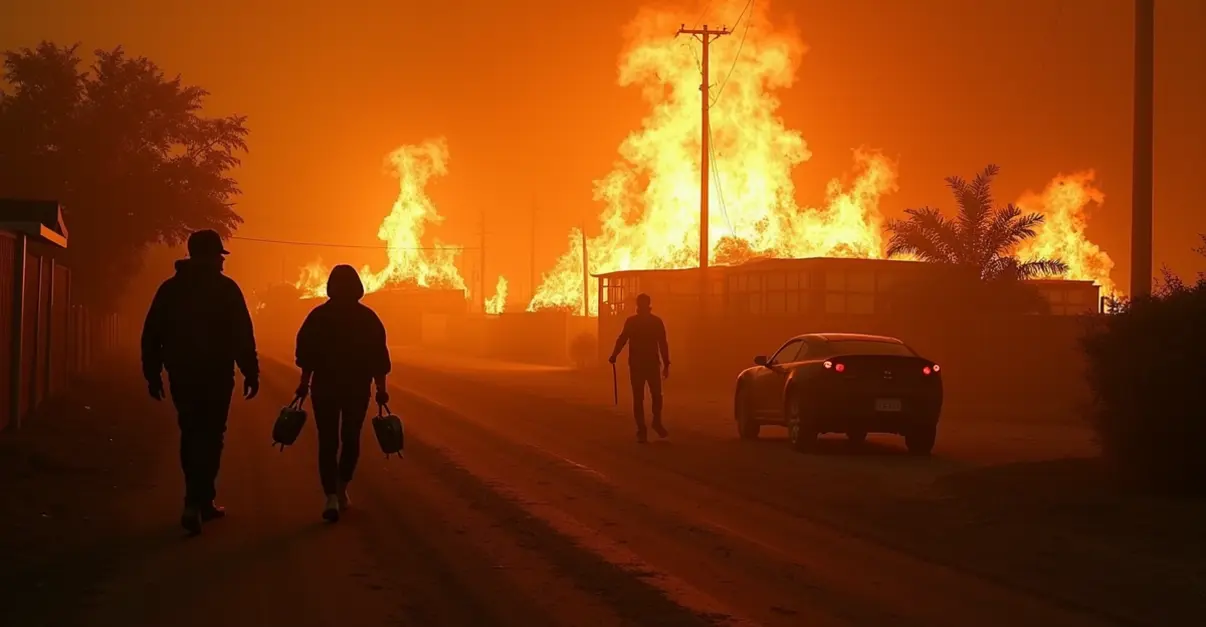
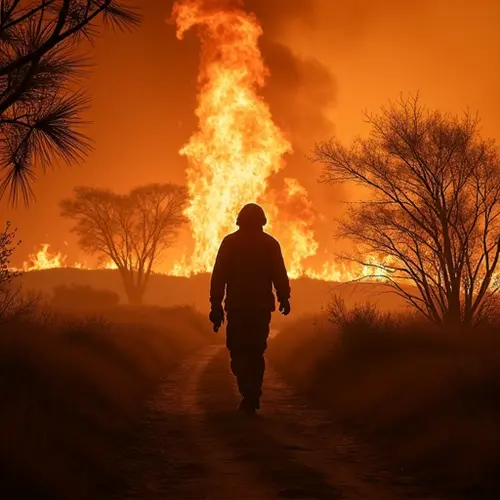
Thousands of residents in eastern Canada have been forced to evacuate as wildfires, typically rare in the region, spread through the Atlantic provinces. States of emergency have been declared in Newfoundland and Labrador and New Brunswick, with officials warning thousands more to be on high alert.
National Fire Crisis
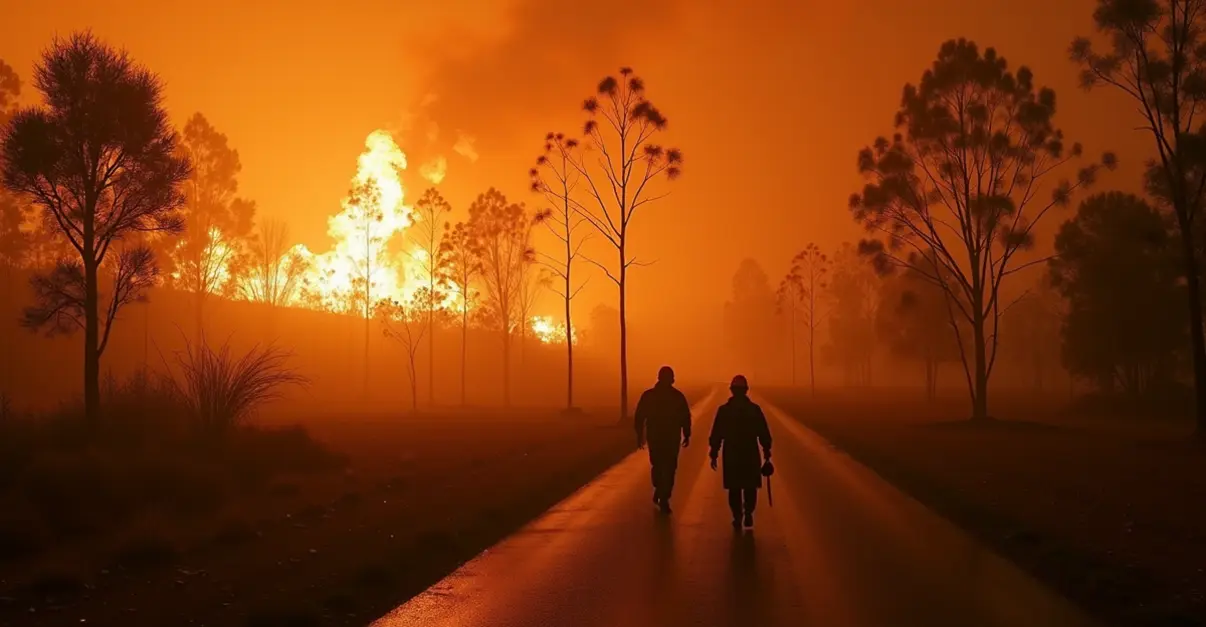
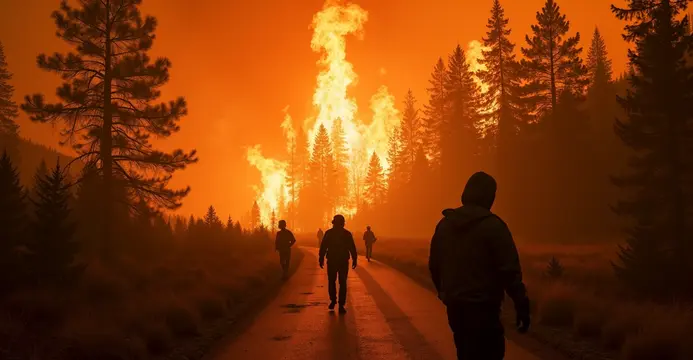
Canada is currently fighting approximately 700 active wildfires across the country, according to the Canadian Interagency Forest Fire Centre. The fires have burned over 75,000 square kilometers so far this year - an area nearly twice the size of the Netherlands. This makes 2025 the second-worst fire season of the century after 2023.
Record-Breaking Fires
The largest fire, known as the Shoe Fire in Saskatchewan, has consumed more than 565,000 hectares since May 7. This fire alone is larger than the Grand Canyon National Park. Meanwhile, British Columbia is dealing with 75 active fires, four of which are out of control, including a significant blaze on Vancouver Island where extreme dryness and heat persist.
Eastern Canada's Unusual Threat
Wildfires in the Atlantic provinces are uncommon due to the region's typically wetter climate and different vegetation. However, persistent hot and dry conditions have created a tinderbox. Newfoundland and Labrador's premier recently banned off-road vehicle use in forested areas as a precaution, despite no evidence linking such vehicles to the fires.
Climate Connection
Experts attribute the severity of this year's fire season to climate change, which has led to higher temperatures, prolonged droughts, and reduced snowpack. These conditions dry out vegetation, making it more flammable. While climate change's role varies by region, it generally increases the frequency and intensity of fire-friendly weather patterns.
Relief and Challenges Ahead
Recent rainfall in Saskatchewan and Manitoba has provided some relief, with cooler temperatures expected in the coming days. However, the forecast for eastern Canada remains dry, raising concerns about new ignitions. Over 7,000 firefighters, including international reinforcements, are battling the blazes nationwide.