

 Deutsch
 English
 Español
 Français
 Nederlands
 Português

 Share
Share Facebook
 X
X LinkedIn
 Bluesky
 WhatsApp
Catastrophic Landslide Threatens Historic Sicilian Town
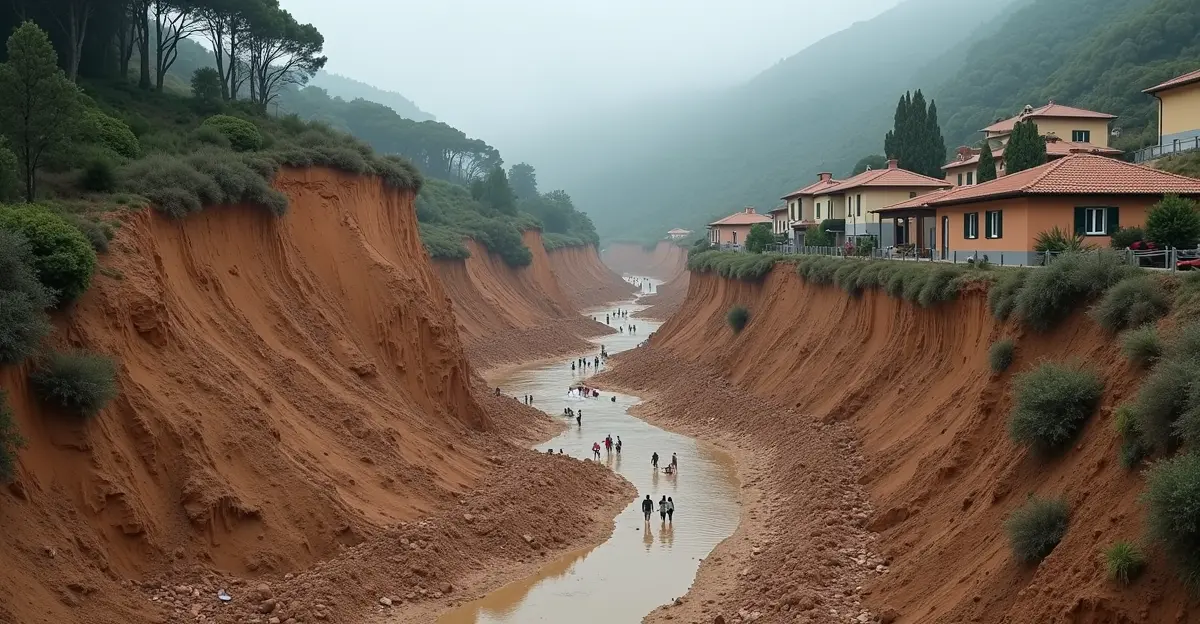
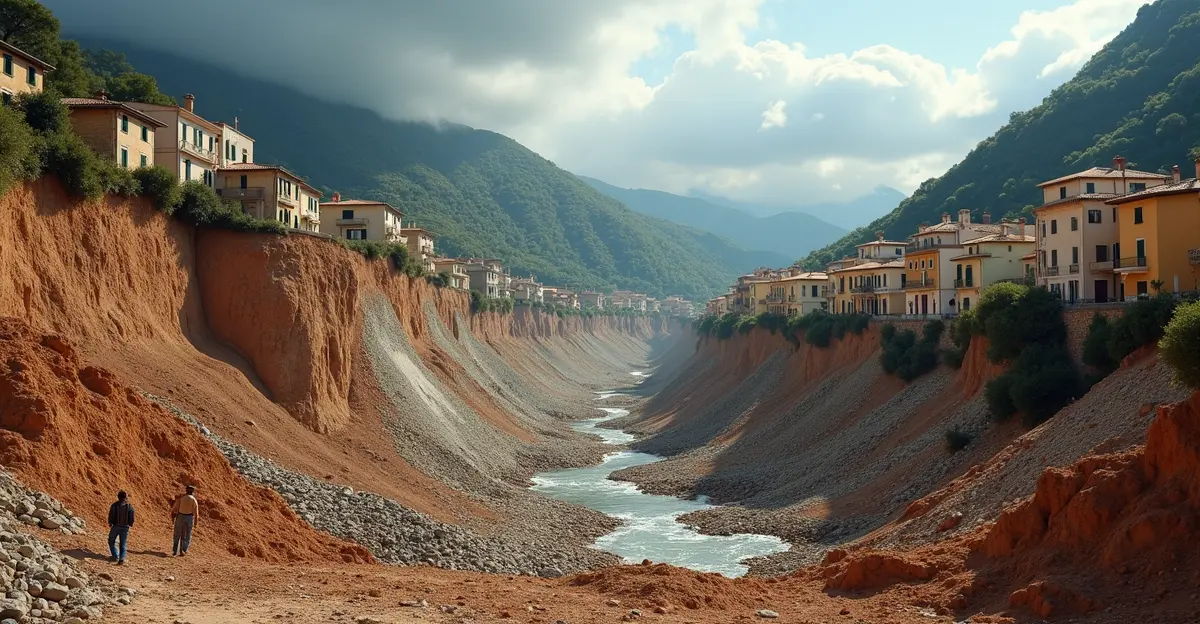
A devastating landslide triggered by Cyclone Harry has forced the evacuation of approximately 1,000 residents from the Sicilian town of Niscemi, with homes teetering perilously on the edge of a growing chasm. The landslide, stretching approximately four kilometers, continues to widen and advance toward the town's historic center, creating what local officials describe as an unprecedented emergency situation.
Emergency Evacuations and Immediate Response
Mayor Massimiliano Conti declared a 'red zone' in affected areas, preventing families from returning to their homes due to ongoing risks. 'The situation is dramatic,' Conti told reporters. 'We're hearing creaking sounds as the ground continues to shift, and homes within a 50-70 meter radius are expected to collapse.' Approximately 300 families have been relocated to alternative housing and a local sports arena, while schools remain closed and major access roads have been blocked or swallowed by the shifting earth.
The landslide dropped another 10 meters on Tuesday morning, according to civil protection authorities, with ongoing rainfall from Cyclone Harry hampering relief efforts. Dramatic aerial footage shows buildings torn apart and properties hanging over a 25-meter precipice. 'We've never seen anything like this in our town's history,' said local resident Maria Rossi, who was evacuated with her family. 'Our home is just meters from the edge now.'
Cyclone Harry's Widespread Devastation
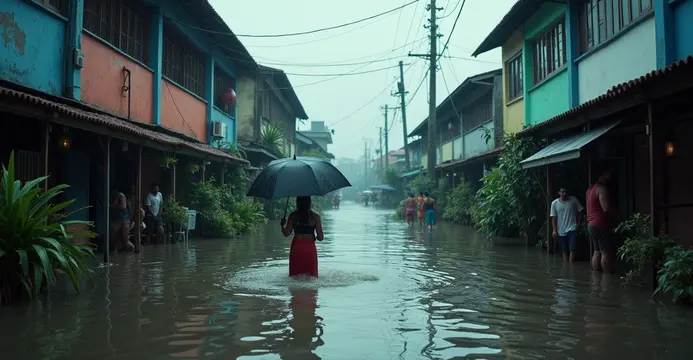
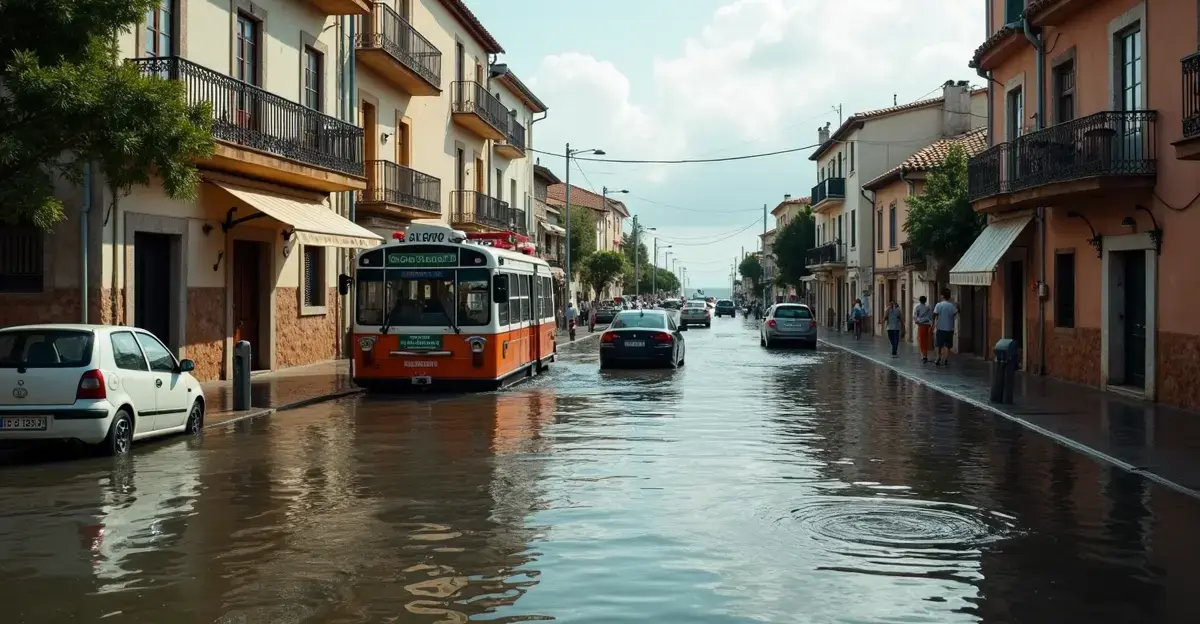
The landslide is part of broader devastation caused by Cyclone Harry across southern Italy between January 18-21, 2026. The Mediterranean cyclone brought 120 km/h winds, 10-meter waves, and over 300mm of rainfall to Sicily, Calabria, and Sardinia. In addition to Niscemi, the storm caused severe flooding in Catania where streets were submerged and sewer systems damaged, while in Taormina, a popular tourist area, infrastructure was severely compromised.
On Sardinia, the sea pushed up to 100 meters inland in some areas, while Calabria reported extensive agricultural damage. Firefighters responded to over 1,600 incidents across the affected regions, conducting rescue operations by dinghy due to severe flooding that submerged cars and flooded buildings.
Economic Impact and Government Response
The Italian government has declared a state of emergency for Sicily, Calabria, and Sardinia, with Prime Minister Giorgia Meloni's cabinet initially allocating €100 million for emergency relief. However, authorities estimate total damage at over €1 billion, with Sicily alone suffering approximately €740 million in losses. 'The final amount could be double that,' warned Sicilian Governor Renato Schifani, highlighting the extensive damage to infrastructure, agriculture, and tourism.
Transport networks suffered particularly severe damage, with multiple road closures due to flooding and landslides on key arteries including SS 114 in Sicily and SS 106 in Calabria. Rail services were severely disrupted, particularly at Catania central station where storm surges compromised control infrastructure.
Climate Context and Future Risks
Experts warn that such extreme weather events are becoming more frequent in the Mediterranean region due to climate change. 'What we're seeing in southern Italy is consistent with climate models predicting more intense rainfall and storm surges in the Mediterranean,' said climatologist Dr. Elena Bianchi of the University of Palermo. 'Coastal communities need to adapt their infrastructure and emergency response systems for this new reality.'
Despite the extensive damage, no fatalities have been reported from the landslide or Cyclone Harry, which authorities attribute to timely warnings that encouraged residents to stay indoors. However, the long-term displacement of families and economic impact on the region's agriculture and tourism sectors will present significant challenges in the coming months.
For more information on Cyclone Harry's impact, visit The Guardian's coverage and Wanted in Rome's report.
Follow Discussion