Nederlands
 English
 Deutsch
 Français
 Español
 Português






Critical Lessons from 2025 Wildfires Shape Future Evacuation Strategies
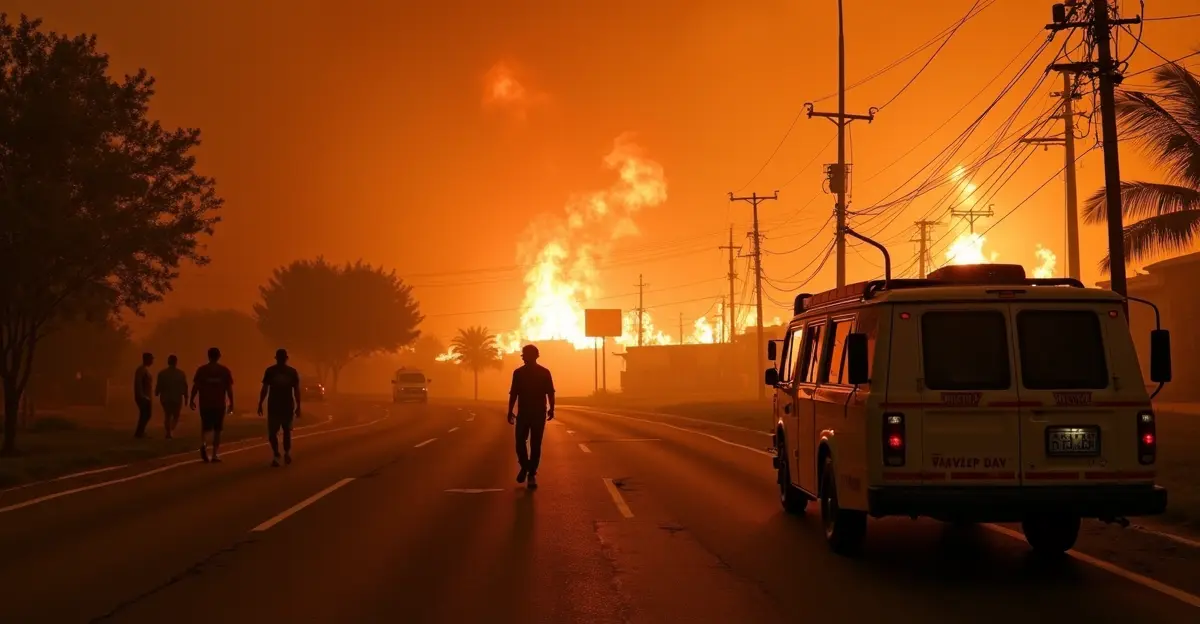
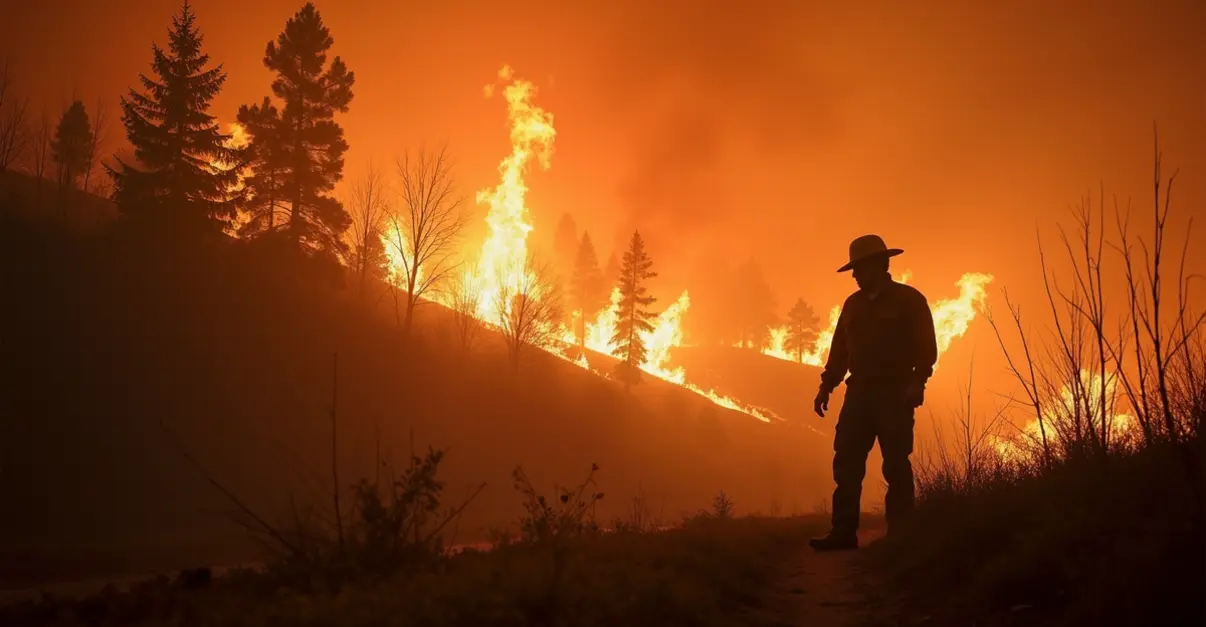
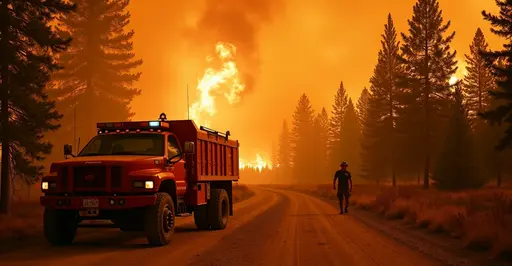
The devastating 2025 wildfire season, particularly the catastrophic Los Angeles fires that began in January, has provided painful but essential lessons about community preparedness, early warning systems, and recovery funding needs. With over 16,000 structures destroyed, 29 fatalities, and economic losses estimated between $52-275 billion, these events have fundamentally reshaped how communities approach wildfire evacuation planning.
Community Preparedness: The First Line of Defense
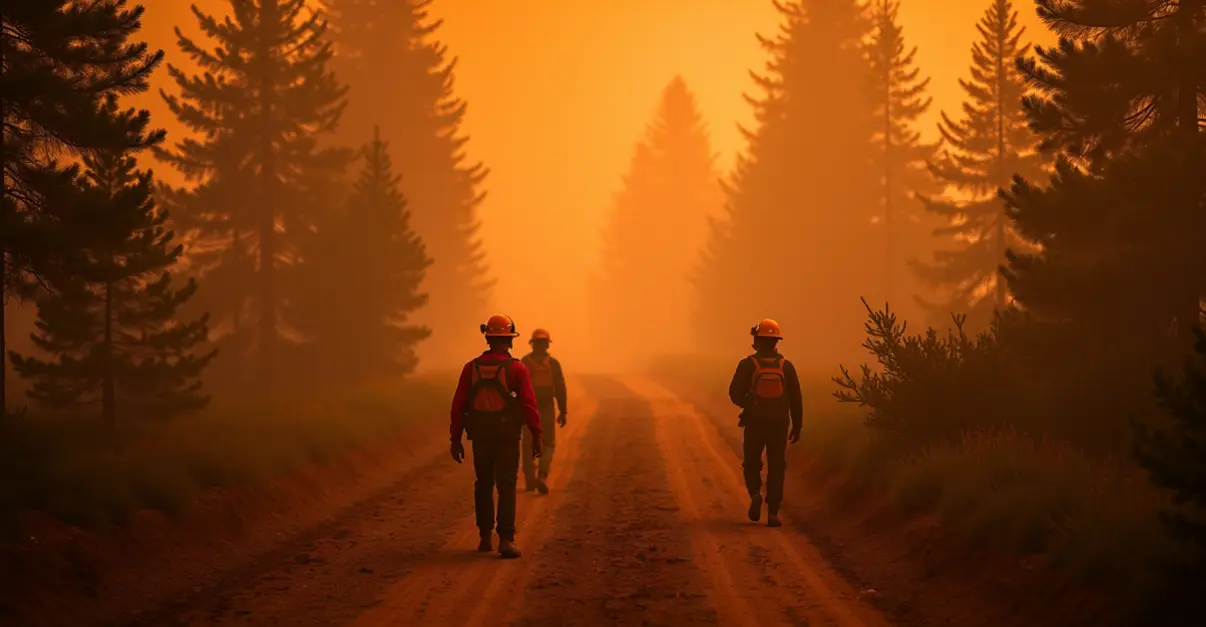
Recent events have highlighted that community preparedness isn't just a government responsibility—it's a collective effort that requires active participation from every resident. 'The difference between a home that survives and one that doesn't often comes down to simple, proactive measures taken well before fire season,' explains wildfire safety expert Dr. Maria Rodriguez. The Living With Fire Program is offering 2025 Wildfire Community Preparedness Day funding through grants sponsored by NFPA and State Farm, providing $2,500 each for communities to implement wildfire risk reduction projects.
These grants support critical activities like creating defensible space, brush clearing, community cleanup days, fire-resistant landscaping, and improving emergency access routes. Applications are due by April 23, 2025, with projects needing completion by September 30, 2025. This initiative represents a crucial shift toward empowering local communities with resources rather than just providing top-down directives.
Early Warning Systems: Technology Meets Timeliness
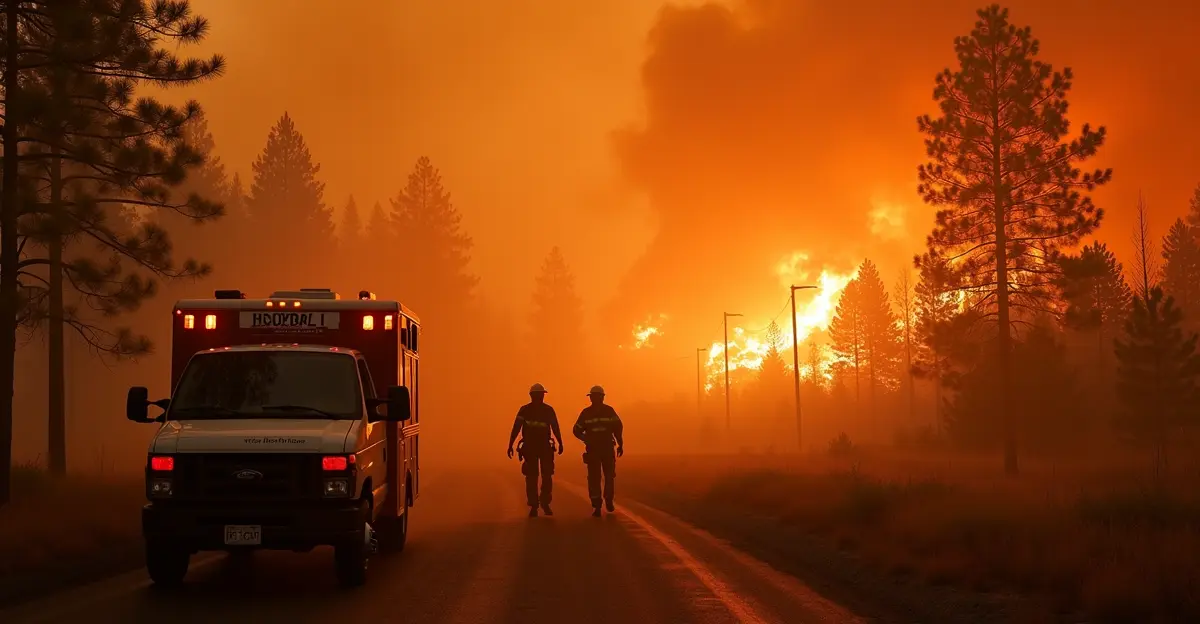
The 2025 fires exposed significant gaps in early warning systems, particularly in rapidly evolving fire situations. President Trump's June 12, 2025 executive order, Empowering Commonsense Wildfire Prevention and Response, addresses these challenges by directing the development of technology roadmaps using AI and data sharing. The order also mandates the Defense Department to declassify historical satellite data for wildfire prediction, potentially revolutionizing how we detect and respond to emerging fire threats.
'We need systems that don't just alert people to evacuate, but that predict where fires will spread hours before they get there,' says emergency management specialist James Chen. The integration of artificial intelligence with real-time weather data, satellite imagery, and ground sensors could create predictive models that save countless lives and properties.
Recovery Funding: Bridging the Gap Between Disaster and Resilience
Perhaps the most sobering lesson from 2025 is the critical need for adequate recovery funding. The American Red Cross Long-Term Recovery Grant Program for the 2025 California wildfires provides strategic grants in four key areas: Housing Stability for vulnerable households, Mental Health and Wellness for disaster trauma, assistance for Communities Facing Disproportionate Recovery Barriers, and Capacity Building for Community Organizations.
Meanwhile, the Community Wildfire Defense Grant (CWDG) Program, a $1 billion five-year competitive grant initiative launched in 2022, continues to help communities and Tribes plan for and reduce wildfire risk. In its third year (2025), the program received 573 applications requesting over $1.6 billion from 40 states, territories, and 48 Tribes, ultimately selecting 58 proposals totaling $200 million.
Building Materials and Infrastructure: Lessons from Structural Failures
Analysis of the 2025 Los Angeles wildfires by the Insurance Institute for Business and Home Safety (IBHS) revealed critical insights about building materials and fire spread. Their investigation of 247 structures showed that 97% were single-family homes, 46% had asphalt shingle roofs, 80% had stucco exterior walls, and 65% of fences were wooden. 'Wooden fences attached to structures within the 5-foot noncombustible zone acted like fuses, carrying fire directly to homes,' notes IBHS researcher Sarah Johnson.
The research demonstrates that with 10 feet between fully engulfed structures, no building material survives, but at 20 feet separation, fire-resistant materials become effective. This underscores the importance of both material choices and spatial planning in wildfire-prone areas.
Looking Forward: Integrated Approaches to Wildfire Management
The Wildland Fire Lessons Learned Center serves as a vital resource for collecting, analyzing, and sharing critical lessons from fire incidents. This centralized repository helps improve firefighter safety, operational effectiveness, and organizational learning across federal, state, and local fire agencies.
As climate change continues to intensify wildfire seasons, the lessons from 2025 point toward an integrated approach combining community empowerment, technological innovation, adequate funding, and smarter building practices. 'We're not just fighting fires anymore—we're building fire-adapted communities,' concludes emergency preparedness coordinator Lisa Martinez. The path forward requires sustained investment, community engagement, and learning from each devastating event to prevent future tragedies.