Deutsch
 English
 Español
 Français
 Nederlands
 Português






Revolutionizing Wildfire Response with Cutting-Edge Technology
As wildfires grow more frequent and intense across the globe, 2025 has become a pivotal year for innovation in detection, suppression, and community resilience. Following the devastating January 2025 Los Angeles wildfires, President Donald J. Trump signed an executive order on June 12, 2025, aimed at overhauling the nation's approach to wildfire prevention and response. The order addresses systemic issues including outdated technology, bureaucratic obstacles, and inadequate local preparedness.
AI and Satellite Detection Systems
One of the most significant advancements comes in early detection technology. According to a GAO report from June 2025, artificial intelligence is revolutionizing wildfire forecasting and detection. Satellite systems, though limited by resolution and data lags, are being enhanced with AI capabilities that can speed up data assimilation and flag inaccuracies. 'AI has the potential to dramatically improve wildfire modeling by reducing uncertainty through synthetic data generation,' explains the report. However, challenges remain, including high data preparation costs and risks of conveying inaccurate information.
Networked camera and sensor systems with AI capabilities are proving particularly effective for early detection. These systems can identify smoke plumes and heat signatures before fires become uncontrollable. The executive order specifically calls for developing technology roadmaps for AI and data sharing, recognizing that timely information is critical for effective response.
Advanced Suppression Techniques
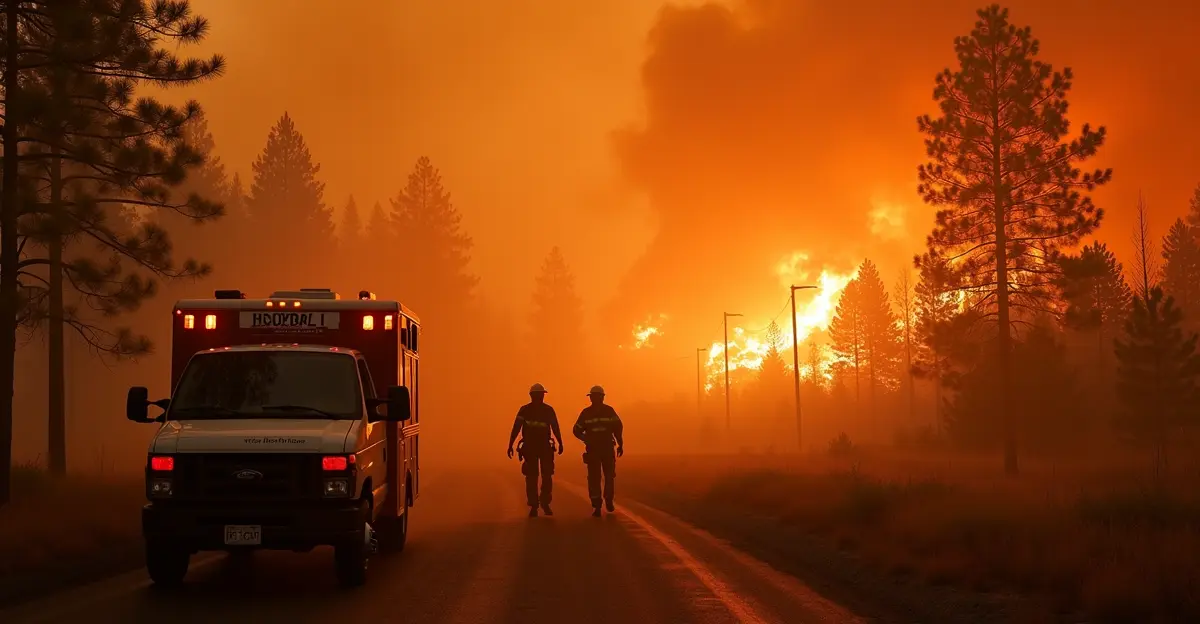
On the suppression front, 2025 has seen innovations in both equipment and strategy. The executive order promotes innovative uses of woody biomass to reduce fuel loads and modifies regulations that have hindered prescribed burns and fire retardant use. Aircraft and drones equipped with thermal cameras are becoming standard tools for fire location and intensity assessment.
'We're seeing a paradigm shift in how we approach wildfire suppression,' says wildfire management expert Dr. Elena Rodriguez. 'Instead of just reacting to fires, we're using technology to predict where they'll spread and deploying resources proactively.' The order also evaluates the sale of excess military aircraft for firefighting, potentially expanding the fleet available for rapid response.
Community Resilience and Evacuation Lessons
Beyond technology, 2025 has brought important lessons in community preparedness and evacuation planning. The National League of Cities (NLC) and ICF have released a comprehensive 'Building Community Resilience to Wildfires' toolkit that provides practical, cost-effective strategies for local governments.
Evacuation Planning Improvements
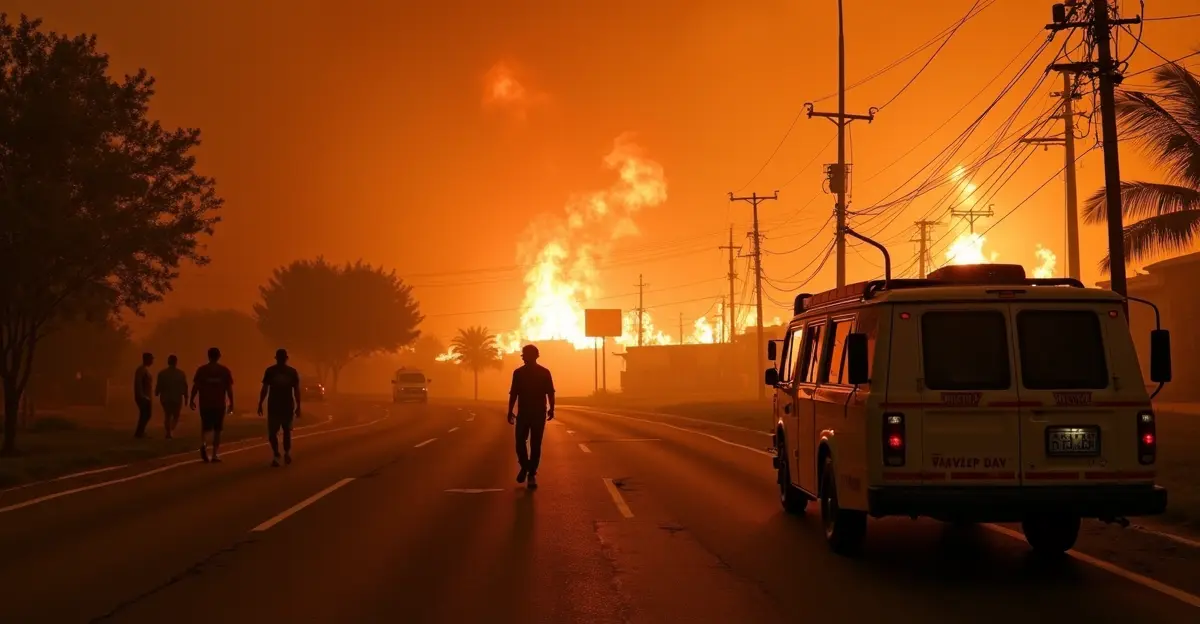
The toolkit emphasizes that effective evacuation planning must account for vulnerable populations, including elderly residents, people with disabilities, and those without reliable transportation. 'Too often, evacuation orders come too late or aren't communicated effectively to all community members,' notes Sarah Johnson, emergency management director for a California county. 'We've learned that we need multiple communication channels and clear, consistent messaging.'
A systematic review published in ScienceDirect highlights that social support networks and emergency planning are key resilience promoters, while inadequate disaster risk governance and limited local capacities remain major barriers. The study emphasizes integrating technical and local knowledge to enhance disaster preparedness.
Building Defensible Spaces
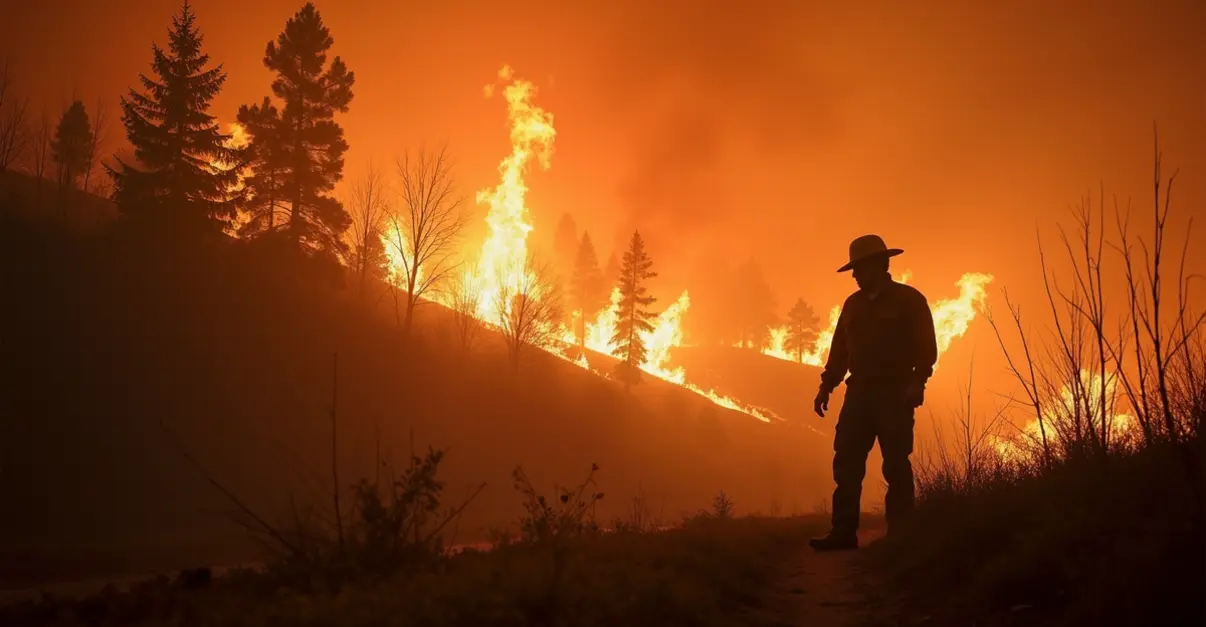
The NLC toolkit focuses on five key areas: risk assessment, preparedness and long-term planning, response, recovery, and financing. It emphasizes nature-based solutions and vegetation management to create defensible spaces around communities. 'Creating buffer zones through controlled burns and strategic vegetation removal can significantly reduce fire spread into populated areas,' explains Mark Thompson, a wildfire resilience consultant.
Communities are also learning to address the mental health impacts of wildfires. The toolkit includes strategies for post-wildfire recovery, including mental health support for residents who experience trauma from evacuation and property loss.
The Path Forward
The executive order's consolidation of federal wildland fire programs within 90 days represents a significant step toward more coordinated response. By expanding partnerships with state and local governments and declassifying historical satellite data for wildfire modeling, the administration aims to create a more unified approach to wildfire management.
However, challenges remain. The GAO report notes that wildfires cause an average of 12 deaths and $3.2 billion in damages annually in the U.S., with increasing severity expected due to climate change. Policy recommendations include expanding observational data use, establishing AI data guidelines, updating education requirements, and evaluating cost-effective technology combinations.
'What we're seeing in 2025 is a recognition that we need both technological innovation and community-based approaches,' says Dr. Rodriguez. 'The most advanced detection system won't help if people don't know how to evacuate safely or if communities aren't prepared.' As wildfire seasons grow longer and more intense, the lessons learned and technologies developed in 2025 will shape response strategies for years to come.