Nederlands
 English
 Deutsch
 Français
 Español
 Português





Infrastructure Failure at World's Most Visited Museum
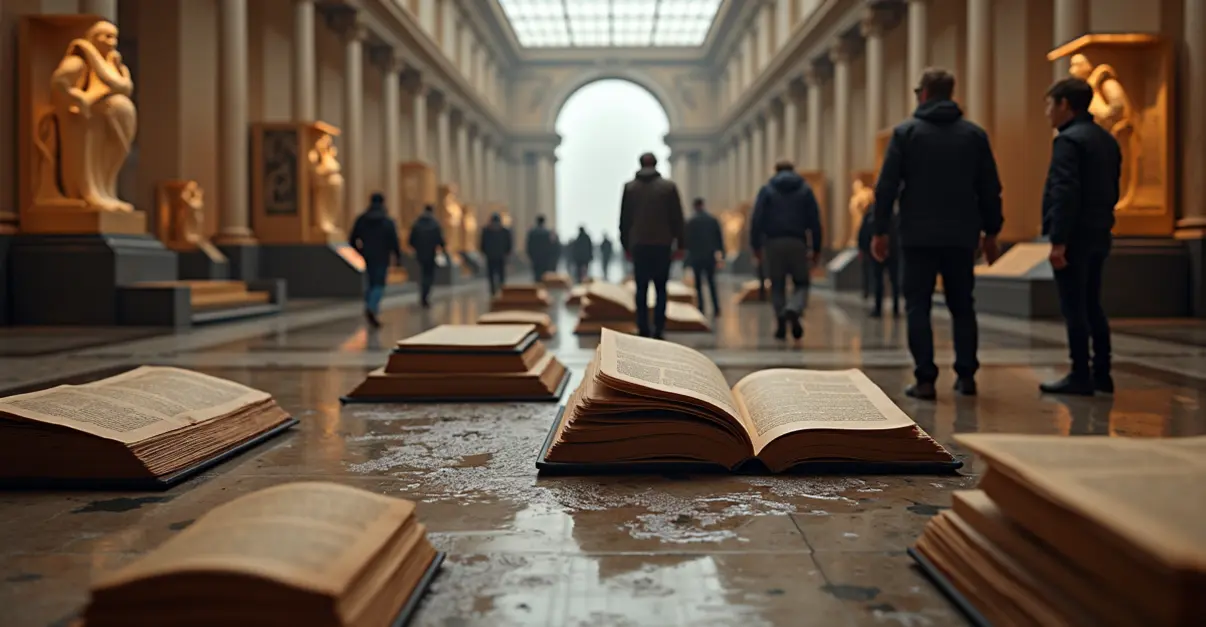
In a troubling incident that highlights the ongoing infrastructure challenges facing one of the world's most prestigious cultural institutions, a water leak at the Louvre Museum in Paris has damaged between 300-400 rare books and archival materials in the Egyptian Antiquities department. The leak, which occurred in late November 2025 but was only recently reported, originated from the museum's aging heating and ventilation system, raising serious questions about the preservation of priceless cultural heritage.
The Incident and Immediate Response
The leak was discovered approximately three hours after closing time on November 26, 2025, in the Mollien wing library of the Egyptian Antiquities department. According to reports from La Tribune de l'Art, museum staff immediately attempted to mitigate the damage by using water-absorbent blotting paper on the affected materials. The French news channel BFMTV confirmed that the leak resulted from a malfunctioning valve in the museum's 'completely obsolete' heating and ventilation system.
Francis Steinbock, deputy administrator of the Louvre, told reporters: 'While these books don't have significant monetary value, they represent important works, journals, and archaeological reference materials that are crucial for Egyptological research.' The damaged items primarily consist of Egyptology journals, scientific documentation, and reference works dating from the late 19th and early 20th centuries.
Long-Standing Infrastructure Problems
What makes this incident particularly concerning is that museum officials were already aware of the deteriorating condition of the pipeline system. Repairs had been scheduled for September 2026, but the leak occurred before these could be implemented. This revelation comes just weeks after a French audit report in October 2025 criticized the Louvre's inability to update its infrastructure due to excessive spending on artwork acquisitions.
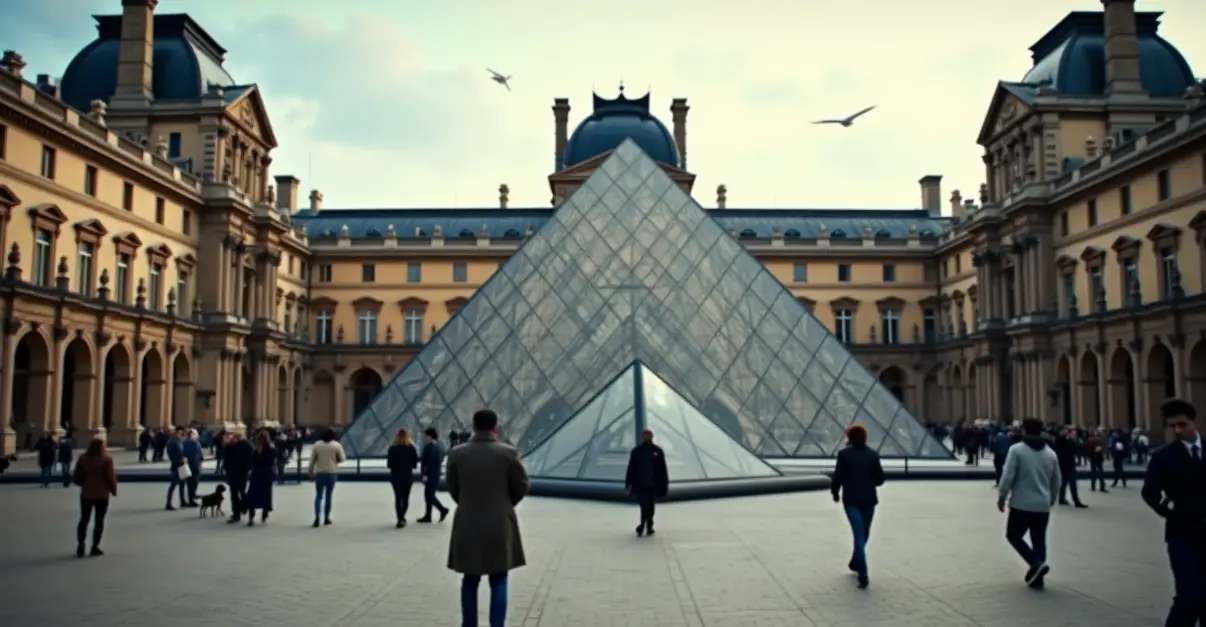
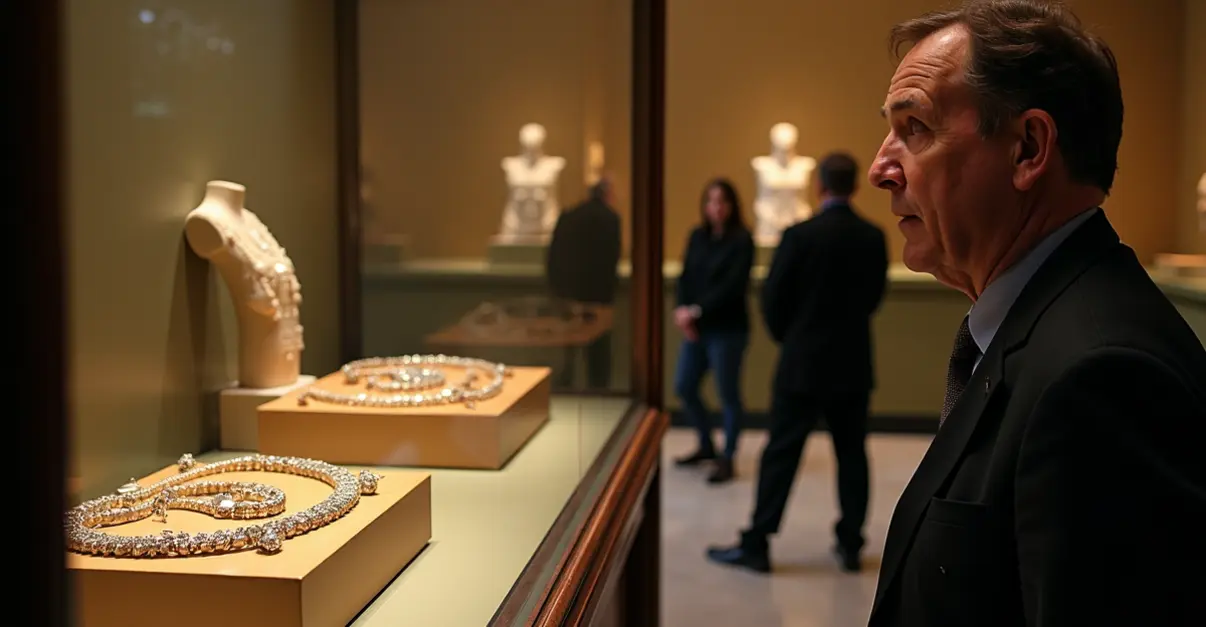
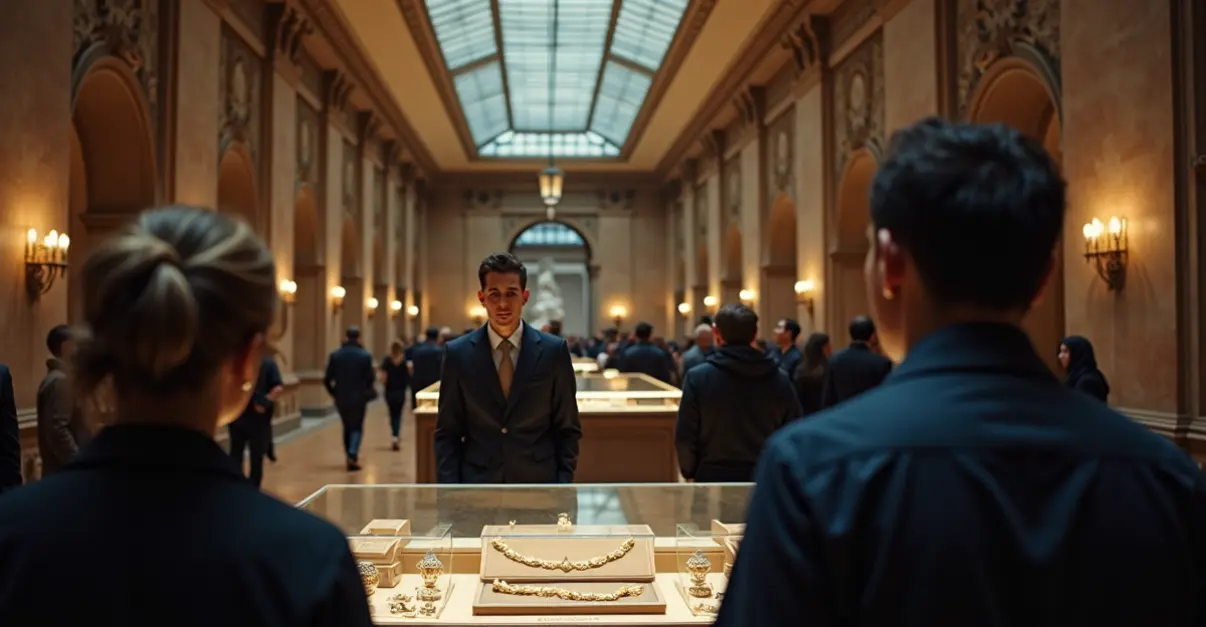
The Louvre, which attracted 8.7 million visitors in 2024 according to Wikipedia, has been grappling with multiple infrastructure challenges. In November 2025, parts of the museum were temporarily closed due to structural weaknesses, and in October, a spectacular $102 million jewel heist exposed significant security flaws. As one museum insider told The New York Times: 'This leak is symptomatic of deeper problems - we're trying to preserve centuries of cultural heritage in a building that itself needs preservation.'
Restoration Efforts and Future Precautions
Museum officials have confirmed that no unique heritage artifacts were damaged in the incident, and there are no irreparable losses. The affected materials will undergo a restoration process that includes drying, specialized treatment, and rebinding by professional bookbinders before being returned to the shelves.
In response to these ongoing challenges, the Louvre's board has approved significant measures. Starting January 2026, ticket prices for non-European Union visitors will increase by 45% to fund structural and security upgrades. The museum plans to implement 100 additional security cameras, thicker glass protections, and vehicle barriers as part of a comprehensive security overhaul.
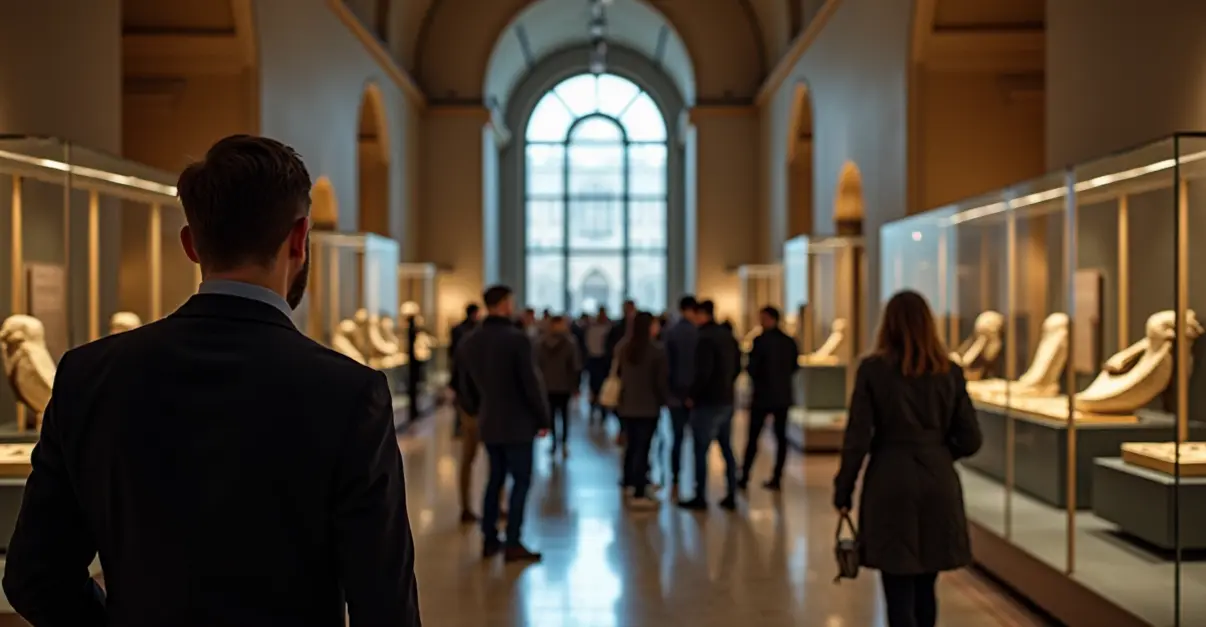
The Egyptian Antiquities department, established in 1826, houses one of the world's most important collections of ancient Egyptian artifacts, with approximately 50,000 pieces spanning from prehistoric times to the Roman period. While the damaged books represent only a small fraction of the department's research materials, their loss highlights the vulnerability of even the world's most prestigious institutions to infrastructure failures.
As the Louvre prepares for its scheduled repairs in September 2026, museum officials face increasing pressure to balance their dual responsibilities: acquiring and displaying priceless artworks while maintaining the aging infrastructure that houses them. This incident serves as a stark reminder that preserving cultural heritage requires not just curatorial expertise, but also substantial investment in the physical structures that protect it for future generations.