Nederlands
 English
 Deutsch
 Français
 Español
 Português





Paris Landmark Closes Amid Worker Unrest
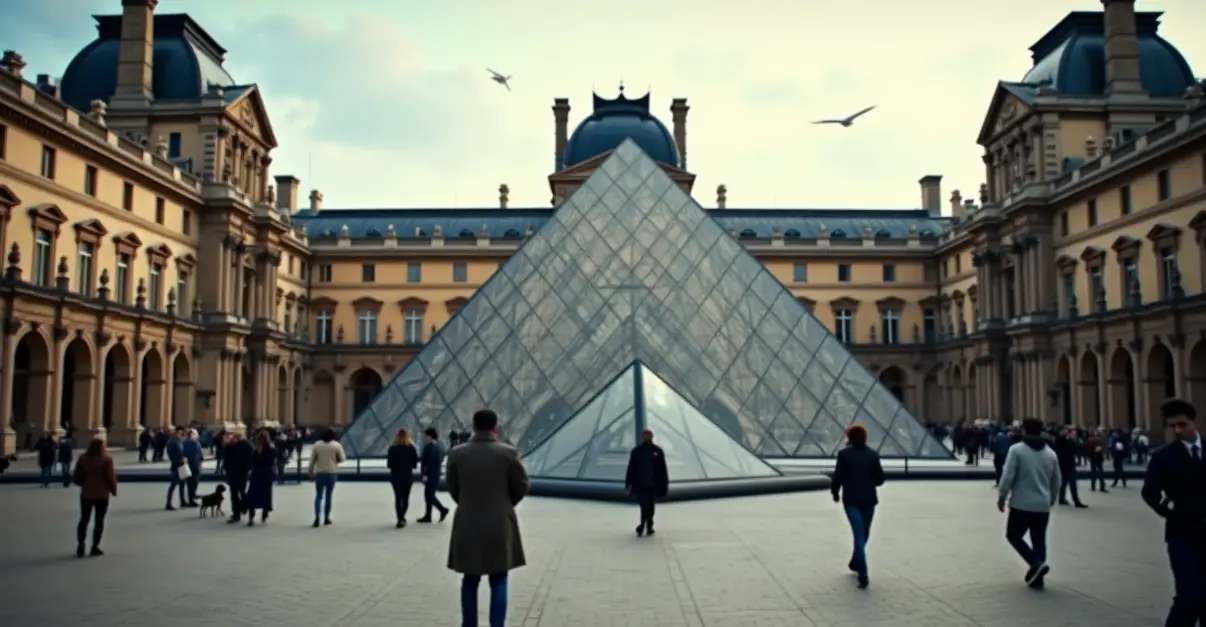
The Louvre Museum in Paris, the world's most visited museum, was forced to close its doors on December 15, 2025, as approximately 400 employees went on strike to protest deteriorating working conditions, inadequate staffing, and stagnant wages. The unanimous vote by staff members from the CFDT and CGT unions has left thousands of disappointed tourists stranded outside the iconic glass pyramid entrance during what should be one of the busiest periods of the year.
'People come to Paris to visit museums,' said a CGT union spokesperson. 'Visitor numbers are rising, prices are increasing because everything is getting more expensive, but salaries and staff numbers aren't keeping pace. Naturally, we reach a breaking point like today: a day of anger.'
Mounting Tensions and Failed Negotiations
The strike follows unsuccessful talks last week between union representatives and French Culture Minister Rachida Dati. Workers are demanding additional staff hires to address severe overcrowding and security concerns, better working conditions, stable budgets, and management that 'actually listens to staff.' The Louvre typically welcomes around 30,000 visitors daily, but according to union representatives, the museum has been operating with insufficient personnel for years.
'This is one of those things you look forward to,' lamented an American tourist turned away at the entrance. 'It's one of those life experiences you dream about.'
A Museum in Crisis
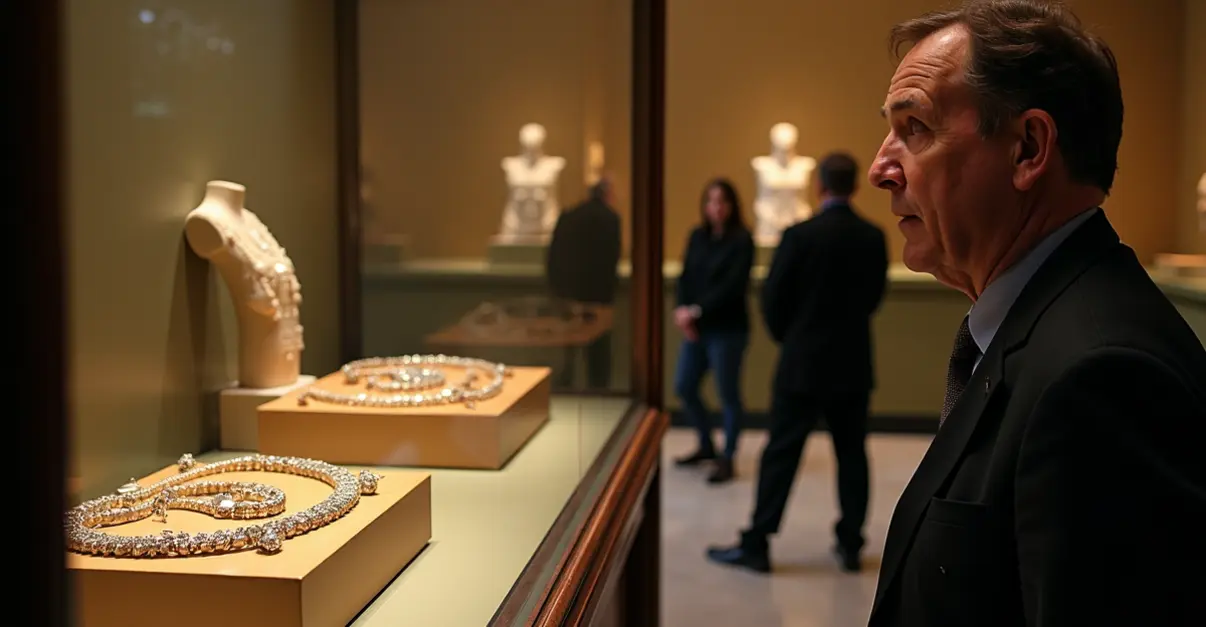
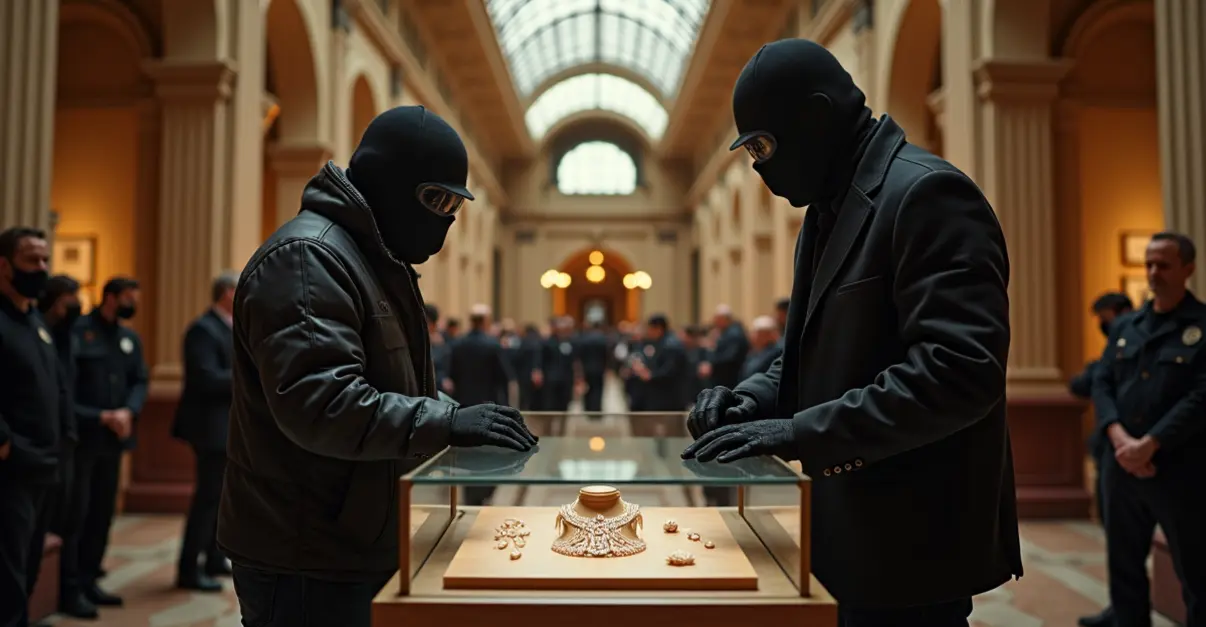
The timing of the strike couldn't be worse for the Louvre, coming just before the Christmas holiday season and barely two months after a shocking daylight robbery where thieves made off with €88 million worth of crown jewels. Subsequent investigations revealed major security gaps at the museum.
Last month, valuable books and archaeological reference works were damaged by a leak in the heating system, despite known issues with aging pipes that were scheduled for repair next year. Louvre architect François Chatillon admitted during a parliamentary hearing last month that the building is in poor condition, as reported by French newspaper Le Monde.
Long-Standing Infrastructure Problems
Museum director Laurence des Cars had already warned the government in a widely-discussed memo in January about leaks, overheating issues, and declining visitor experience. In response, French President Emmanuel Macron announced a renovation plan expected to cost €700 to €800 million. The 'Nouvelle Renaissance' project aims to address serious infrastructure problems and improve capacity to accommodate up to 12 million visitors annually.
The Louvre, housed in the historic Louvre Palace originally built in the 12th-13th century under Philip II, contains approximately 500,000 objects and displays 35,000 works of art across eight curatorial departments. As the most visited museum in the world with 8.7 million visitors in 2024, its current crisis highlights broader challenges facing cultural institutions balancing preservation, visitor experience, and worker welfare.
Broader Implications for Cultural Institutions
The strike at the Louvre reflects growing tensions in museums worldwide as they grapple with post-pandemic tourism surges, aging infrastructure, and workforce demands. With the museum's 2,200-strong workforce including security staff, curators, scientists, and documentarians expressing widespread discontent, the situation underscores how even the most prestigious cultural institutions face modern labor challenges.
As negotiations continue between unions and management, the closure serves as a stark reminder that behind the world-famous artworks and architectural marvels, the people who maintain and protect these treasures deserve sustainable working conditions and fair compensation. The resolution of this dispute will likely set precedents for other major museums facing similar pressures.