


 Deutsch
 English
 Español
 Français
 Nederlands
 Português


 Share





German cost-of-living protests turned to looting in Frankfurt, Berlin, Hamburg and Cologne on Saturday, 31 October 2026, while France experienced its third consecutive weekend of unrest over living costs and deteriorating public services. Police in Germany fired teargas and water cannons to disperse crowds, and French Interior Minister Laurent Nuñez said officers faced an 'extraordinary' level of violence as rallies ended. The parallel unrest in two of Europe's largest economies marks a sharp escalation of public anger as winter energy bills loom.
What sparked the German cost-of-living protests?
The demonstrations were organised by the youth-led movement 'Gen Z regelt' ('Gen Z takes charge'), which has staged rallies in more than 30 German cities. The group demands greater investment in education, healthcare and climate protection, affordable housing, and opposes any return of compulsory military service. Organisers said tens of thousands took part nationwide, although police counts in Frankfurt, Munich and Berlin were closer to 18,000. The largely peaceful daytime rallies gave way to violence after dark. The unrest follows a broader European cost-of-living crisis that has hit households from Lisbon to Berlin.
Germany: From peaceful rallies to nighttime looting
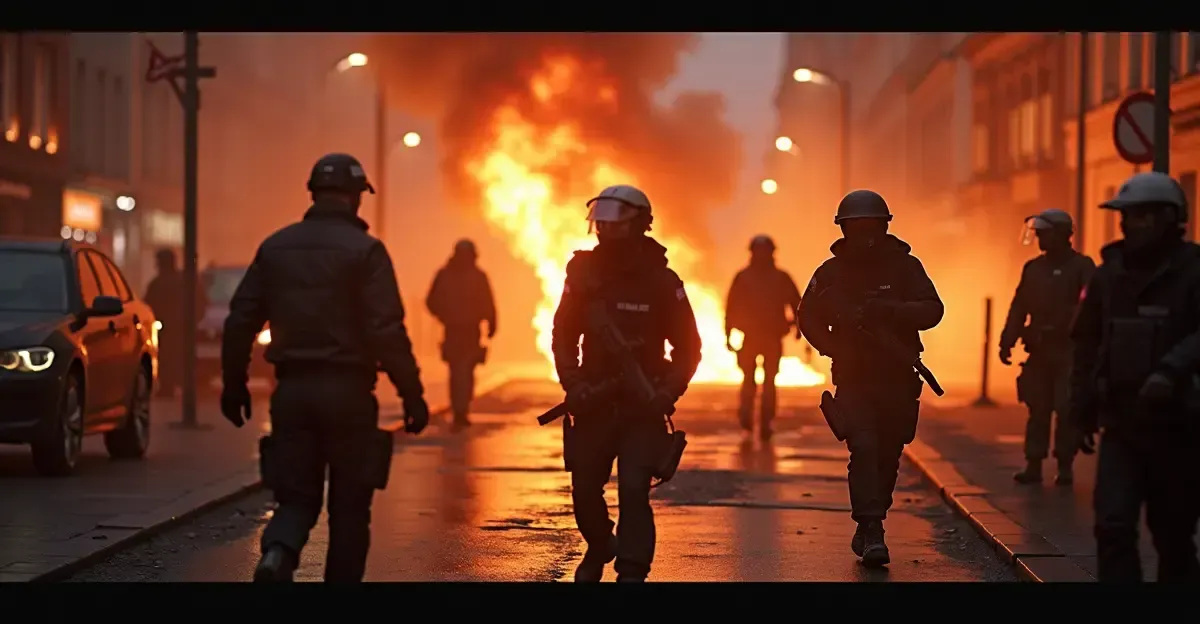
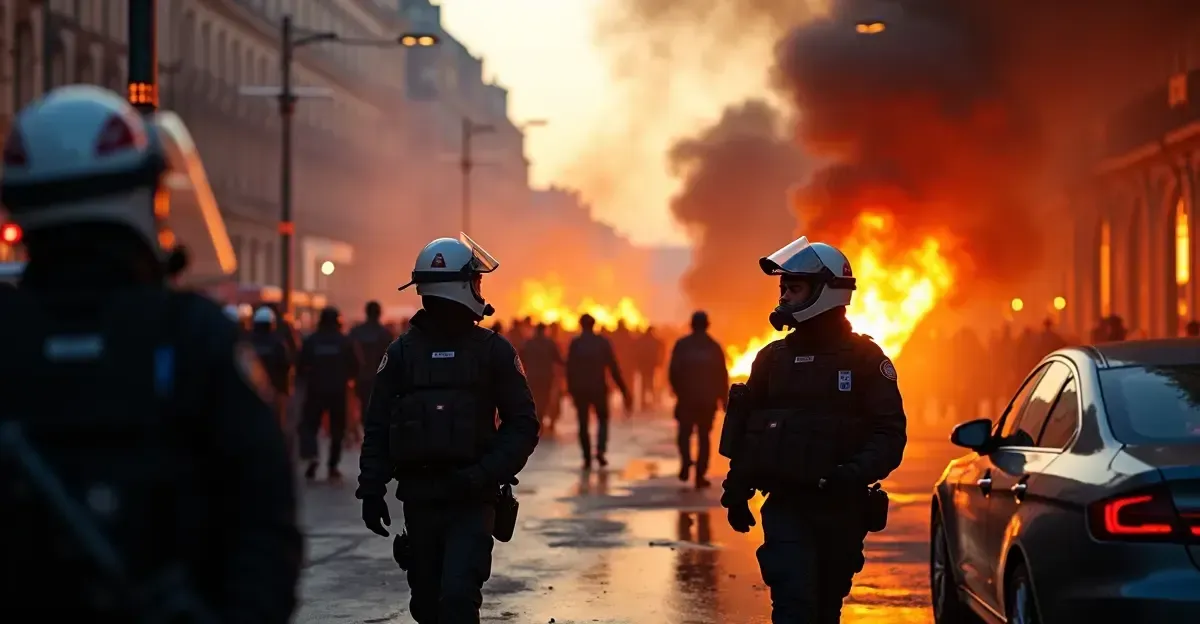
Frankfurt saw the worst violence. Masked rioters smashed shop windows, looted goods including trainers, and broke into a gun store from which two weapons were later recovered. Molotov cocktails and fireworks were thrown at emergency services, and police used water cannons and made multiple arrests. Hesse interior minister Roman Poseck said around 100 left-wing extremists had infiltrated the rally, calling the outcome 'shameful'. In Berlin, 27 officers were injured and up to 56 people detained; Hamburg reported 120 arrests after demonstrators fired pyrotechnics and burned barricades. Cologne saw officers pelted with bottles and a bicycle. The violence has drawn comparisons to earlier German Gen Z protests that remained peaceful.
France: Third wave of cost-of-living protests
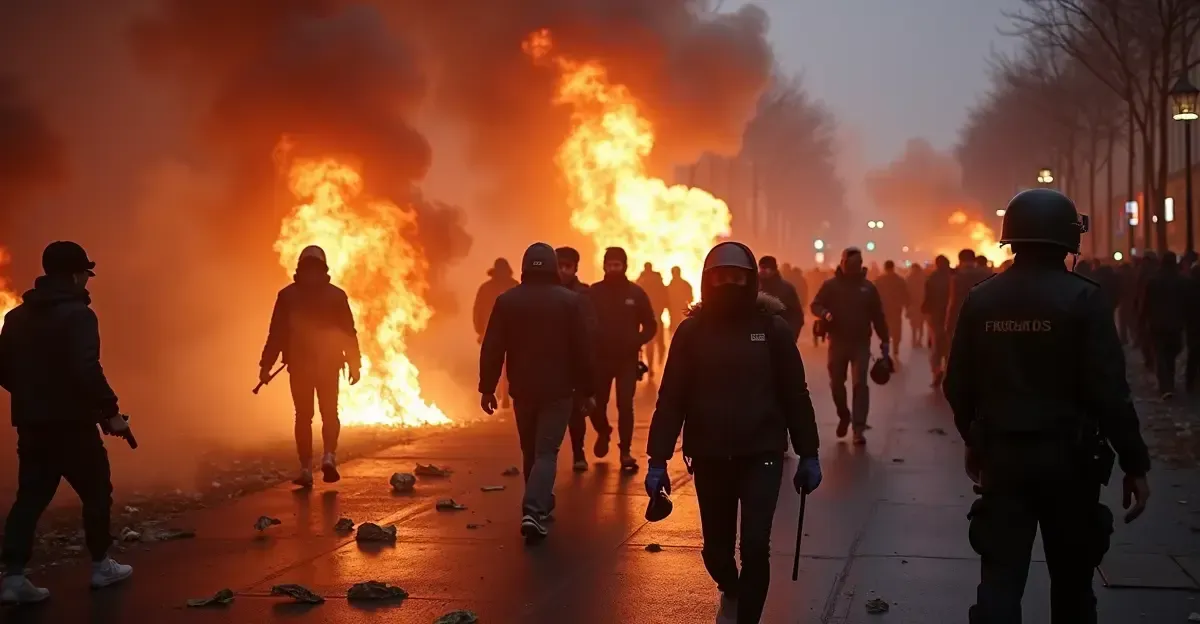
Across France, about 320,000 people marched in a third wave of demonstrations, according to the interior ministry, with 70,000 in Paris alone. Around 150 planned rallies passed off largely peacefully, but clashes erupted as police moved to disperse crowds in Paris, Marseille, Lyon and Toulouse. Interior Minister Laurent Nuñez said officers met an 'extraordinary' level of violence, including a Molotov cocktail thrown at a riot officer and masked rioters using hammers to pry up paving stones. Police made 565 arrests and five officers were injured. Many demonstrators wore Halloween costumes, a sign of the movement's youth-driven character, with unions, student groups and yellow vests uniting over high prices and declining public services. The French marches built on earlier French cost-of-living protests that drew 410,000 people a week earlier.
How do the German and French protests compare?
The following table summarises the key differences between the two countries' protests on 31 October 2026.
| Country | Organisers | Turnout | Key incidents | Arrests |
|---|---|---|---|---|
| Germany | Gen Z regelt | Tens of thousands (organisers); about 18,000 in key cities | Looting in Frankfurt, gun shop break-in, Molotov cocktails, barricades in Hamburg | 56 in Berlin, 120 in Hamburg, multiple in Frankfurt |
| France | Unions, student groups, yellow vests | 320,000 (interior ministry); 70,000 in Paris | Molotov cocktail at officer, paving stones thrown, clashes in Paris, Marseille, Lyon, Toulouse | 565 arrests |
Both movements reflect a wider European cost-of-living crisis that has prompted demonstrations in Italy and Portugal as well.
What happens next?
German Interior Minister Alexander Dobrindt condemned the violence and called for harsh punishments, while organisers of 'Gen Z regelt' distanced themselves from the rioters. In France, unions have announced further blockades and a national strike on 5 November. Analysts warn that rising energy costs and public spending cuts could fuel more unrest across Europe this winter. Governments are watching the winter energy bills Europe debate closely as households brace for higher heating costs.
FAQ
What caused the German cost-of-living protests? High living costs, underfunded schools and healthcare, environmental concerns, and opposition to a possible return of compulsory military service drove the Gen Z regelt movement.
Were the German and French protests coordinated? No, they were separate but occurred on the same day and shared similar grievances over cost of living and public services.
How many people protested in France on 31 October 2026? The interior ministry counted about 320,000 nationwide, with 70,000 in Paris; unions claimed nearly 500,000.
What are the protesters demanding? They want higher wages, better funding for public services, affordable living, and an end to spending cuts.
Follow Discussion