Nederlands
 English
 Deutsch
 Français
 Español
 Português





Cryptocurrency Mogul Sentenced for 'Epic, Generational' Fraud
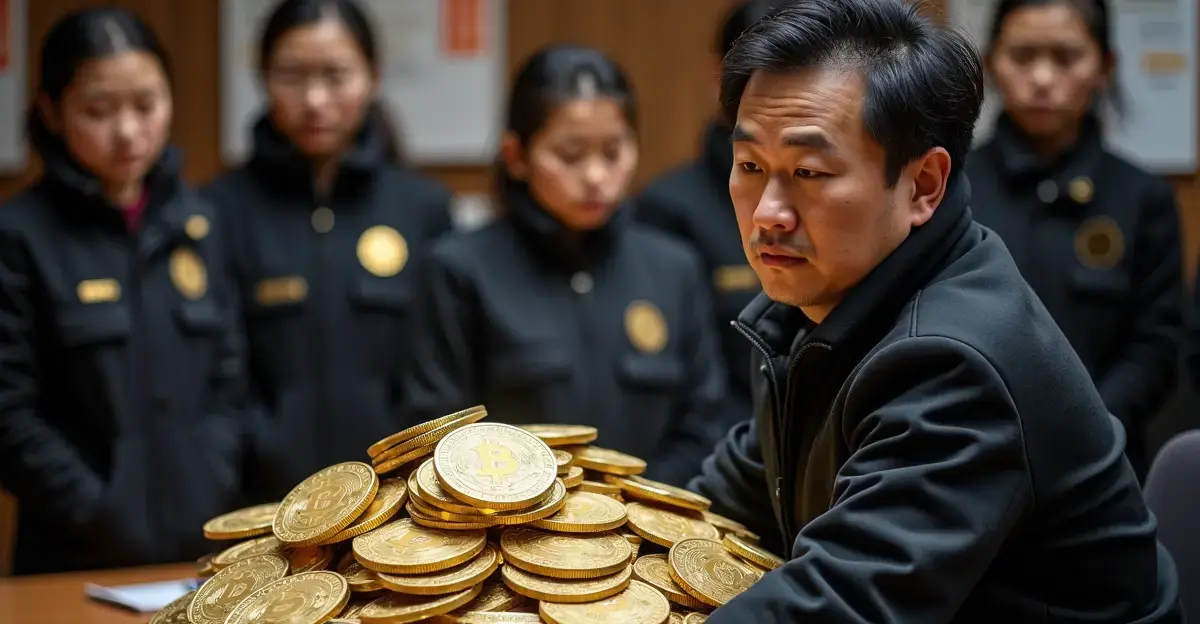
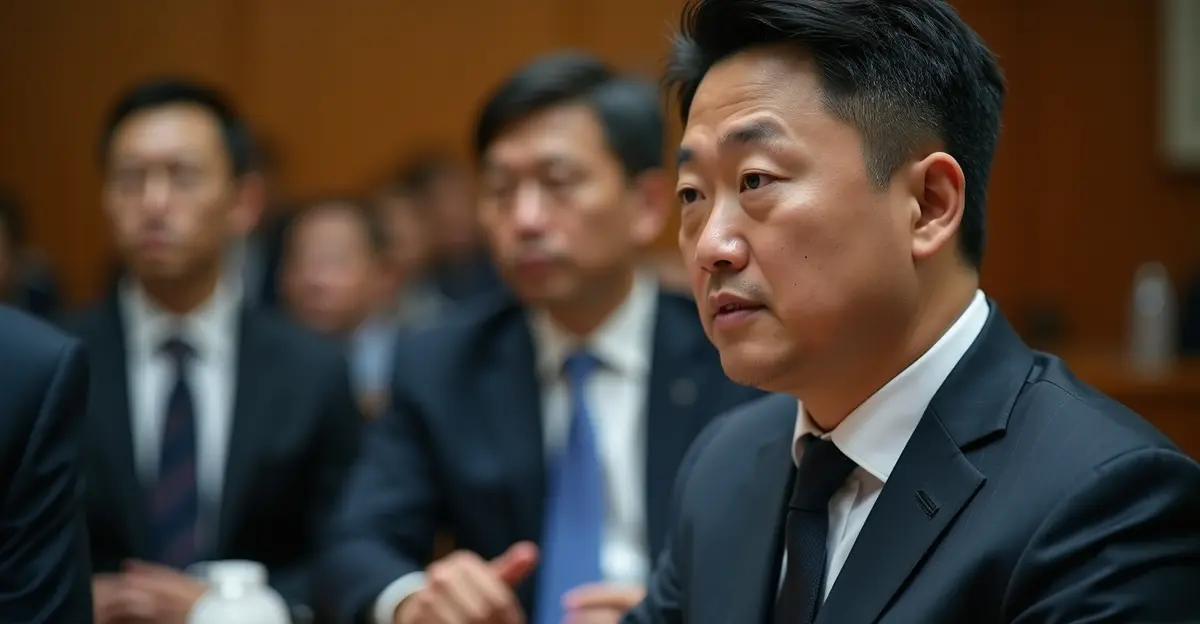
In a landmark ruling that sends shockwaves through the cryptocurrency industry, South Korean entrepreneur Do Kwon has been sentenced to 15 years in federal prison for orchestrating what a U.S. judge called 'a fraud on an epic, generational scale' that caused approximately $40 billion in losses. The 34-year-old founder of Terraform Labs received his sentence from U.S. District Judge Paul A. Engelmayer in New York on December 11, 2025, after pleading guilty to wire fraud and conspiracy charges in August.
The Terra Collapse That Rocked Crypto
Kwon's downfall stems from the spectacular collapse of his TerraUSD (UST) stablecoin and its sister token Luna in May 2022. TerraUSD was marketed as a 'stablecoin' that would maintain a 1:1 peg with the U.S. dollar through algorithmic mechanisms. However, when the token began losing its peg in early 2022, Kwon secretly arranged for a trading firm to inject millions of dollars to artificially prop up the price while publicly claiming the algorithm was working as designed.
'This wasn't just a financial crime - this was human wreckage on a massive scale,' Judge Engelmayer declared during sentencing, referencing the estimated one million victims worldwide who lost life savings, retirement funds, and charitable donations.
From Stanford Graduate to International Fugitive
Kwon's journey from promising Stanford computer science graduate to international fugitive reads like a financial thriller. After working briefly at Microsoft and Apple, he co-founded Terraform Labs in 2018 with entrepreneur Daniel Shin. The company quickly gained prominence in the crypto world, with TerraUSD becoming one of the largest algorithmic stablecoins by market capitalization.
However, when the house of cards collapsed in May 2022, Kwon fled South Korea, eventually being arrested in Montenegro in March 2023 while attempting to travel to Dubai using falsified documents. After a lengthy extradition battle, he was sent to the United States where he faced eight counts of securities fraud, commodities fraud, wire fraud, and conspiracy.
Victims Speak: 'My Life Savings Vanished'
During the sentencing hearing, the court heard harrowing testimony from victims who described life-altering losses. One victim told the court: 'That money going up in smoke, literally from one moment to the next, was one of the most terrifying moments of my life.' Another described losing $81,000 that became just $13, while others spoke of postponed retirements, college plans derailed, and even homelessness resulting from the collapse.
The scale of devastation was unprecedented in cryptocurrency history, with losses exceeding those from the FTX and OneCoin frauds combined. According to the U.S. Department of Justice, Kwon's fraud involved creating the illusion that Terra blockchain was being used for real-world payment processing when it was not, and misappropriating funds from the Luna Foundation Guard.
Broader Implications for Crypto Regulation
Legal experts say the sentencing represents a watershed moment for cryptocurrency regulation and enforcement. 'This sends a clear message that crypto fraudsters will face serious consequences,' said former SEC enforcement attorney John Reed Stark. 'The days of treating crypto as a wild west are ending.'
Kwon's sentence exceeds both the 12 years requested by prosecutors and the 5 years suggested by his defense team. He has also agreed to forfeit over $19 million in ill-gotten proceeds as part of his plea agreement. The Terraform collapse triggered a cascade of crises in the crypto market that ultimately contributed to the downfall of FTX and other major platforms.
As Kwon begins his prison term, the cryptocurrency industry continues to grapple with the aftermath of what many consider the most devastating fraud in its history. The case has prompted renewed calls for stricter stablecoin regulation and better investor protections in the rapidly evolving digital asset space.