


 Deutsch
 English
 Español
 Français
 Nederlands
 Português


 Share





What Happened at St George's Church in Karak?
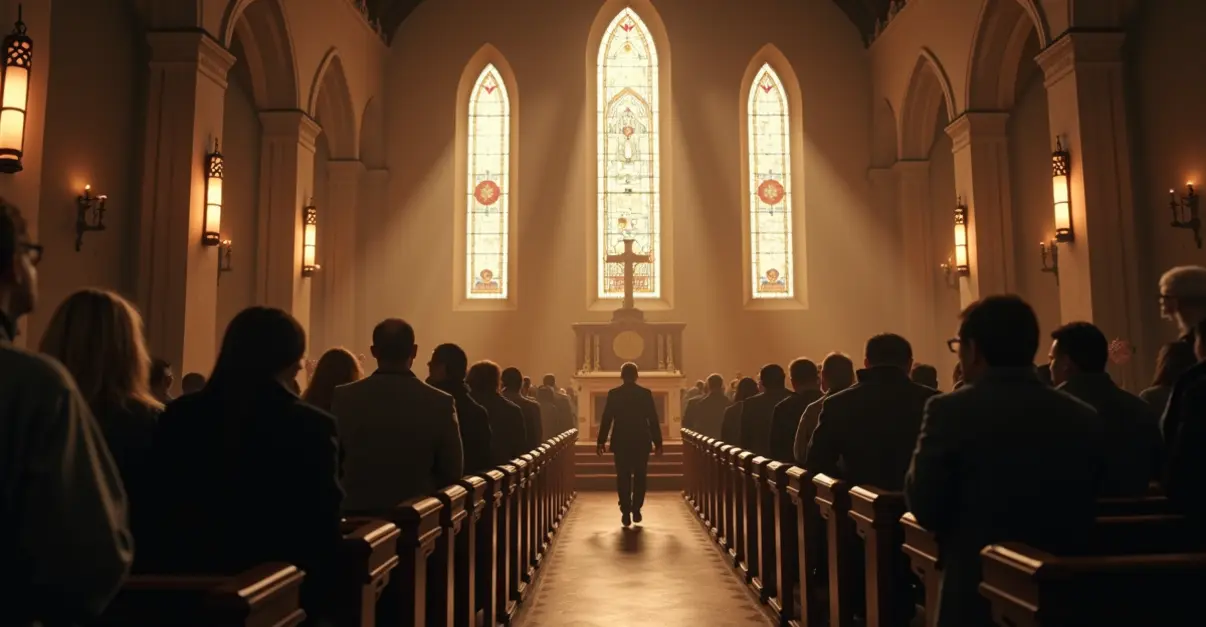
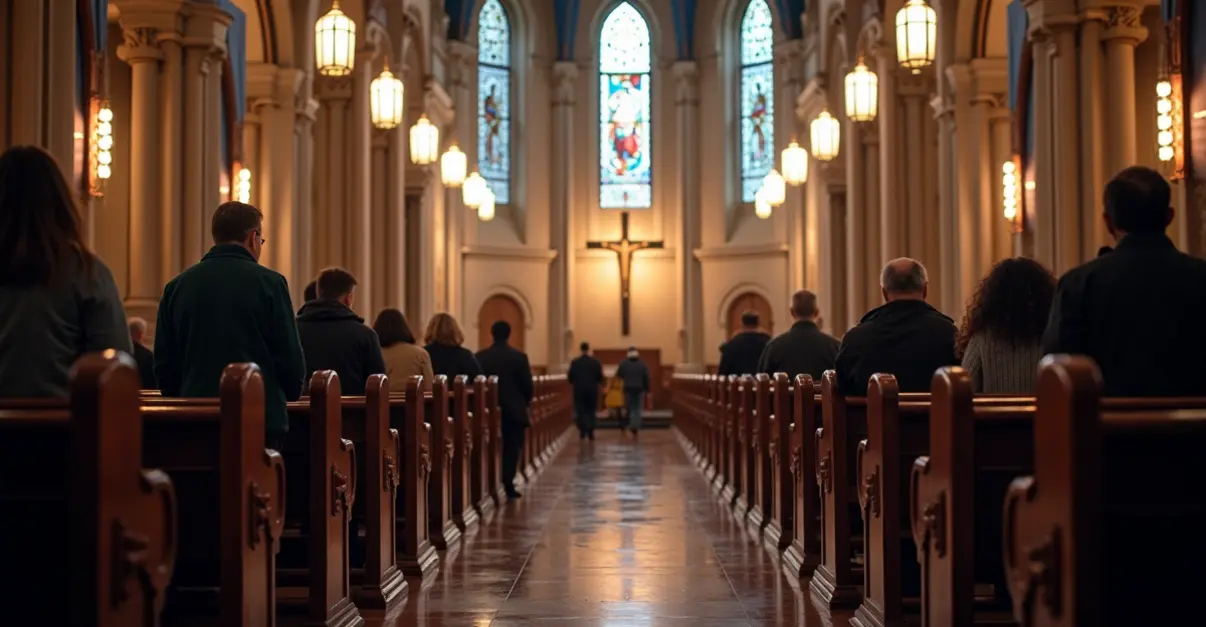
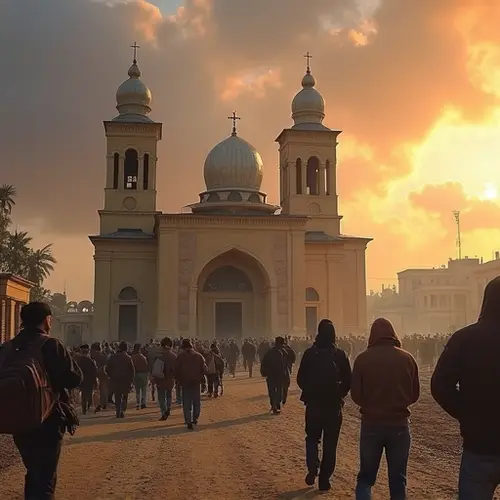
Between 150 and 200 mourners were inside and around St George's Greek Orthodox Church in Hammoud for a woman's funeral when three assailants arrived by car and opened fire from the street. State broadcaster Al-Mamlaka aired CCTV footage showing two men carrying pistols approaching the church compound before a third attacker armed with a semi-automatic rifle joined them. Witnesses described heavy gunfire lasting about five minutes, with bodies and blood visible inside the church after the attackers fled. Interior Minister Mazen Al-Faraya called the assailants extremists, and officials said most of the victims were aged between 50 and 70. The Jordanian security services quickly cordoned off the area and began a manhunt.
Manhunt and Arrests: How the Attackers Were Captured
Security forces traced the suspects to an abandoned house in the nearby village of Al-Jadeeda. After a three-hour exchange of gunfire, officers detained three Jordanian men described as relatives. One of the suspects had been released from prison months earlier after serving a sentence for Islamic State terror offences. The public security directorate said investigations were proceeding at full speed, and King Abdullah II promised the harshest retaliation.
Why the Karak Attack Shook Jordan's Christian Community
Karak has long been a centre of Arab Christian Jordanians, with Muslim and Christian communities sharing tribal customs and mutual protection for generations. Christians make up roughly 2 to 3 per cent of Jordan's population, and attacks on places of worship are rare. The last major assault in the governorate, the 2016 Karak attack, killed 10 people. The 23 October shooting was described by officials as an unprecedented security incident targeting Christians, threatening a coexistence model that local leaders call essential to national stability.
Government Response and International Condemnation
King Abdullah II condemned the attack as a terrorist act and visited the wounded. 'We will strike with an iron fist,' the king said. The government declared three days of national mourning, with flags at half-mast. On 26 October, the Royal Jordanian Air Force struck what it said were Islamic State targets in southern Syria. On 15 November, a Jordanian State Security Court sentenced the three perpetrators to death by hanging. Condemnations poured in from Lebanon, Syria, Egypt, Oman, Iraq, Al-Azhar's grand imam and UN Secretary-General Antonio Guterres. Prime Minister Jafar Hassan blamed terrorist ideology and blind extremism. Analysts noted that Jordan's intelligence-led approach has repeatedly foiled attacks, but the funeral assault exposed a rare gap in protective coverage for religious gatherings in Jordan.
Frequently Asked Questions
What happened at the Karak church funeral?
Three gunmen opened fire during a funeral at St George's Greek Orthodox Church in Hammoud, Karak governorate, Jordan, on 23 October 2026.
How many people were killed and wounded?
Authorities initially reported at least seven killed and dozens wounded; the death toll later rose to nine, with 40 people wounded.
Have the attackers been caught?
Yes. Jordanian security forces captured three suspects in Al-Jadeeda after a three-hour shootout on 26 October.
Why did the attack target a Greek Orthodox church?
Officials said the attack was carried out by extremists; one suspect was a former Islamic State convict. Karak has a significant Christian community, and the shooting is considered the deadliest attack on Christian Jordanians in the country's history.
What is Jordan doing in response?
Jordan declared three days of national mourning, launched airstrikes on Islamic State targets in Syria, and sentenced the three perpetrators to death by hanging.
What Comes Next for Security in Jordan
The Karak church shooting has become a defining test for Jordan's counterterrorism strategy and for the protection of religious minorities. As investigations continue and regional allies offer support, officials have pledged to prevent a repeat while reinforcing the interfaith trust that has long defined communities such as Karak.



Follow Discussion