


 Deutsch
 English
 Español
 Français
 Nederlands
 Português


 Share
Share




Thieves have stolen the majority of the Treasure of Villena, one of Europe's most important Bronze Age gold collections, in a lightning-fast four-minute raid on a Spanish museum. The Treasure of Villena heist unfolded early Thursday, August 27, 2026, at the Archaeological Museum of Villena near Alicante, when intruders entered through a window and fled by 5:24 a.m. with dozens of gold artifacts.
What is the Treasure of Villena?
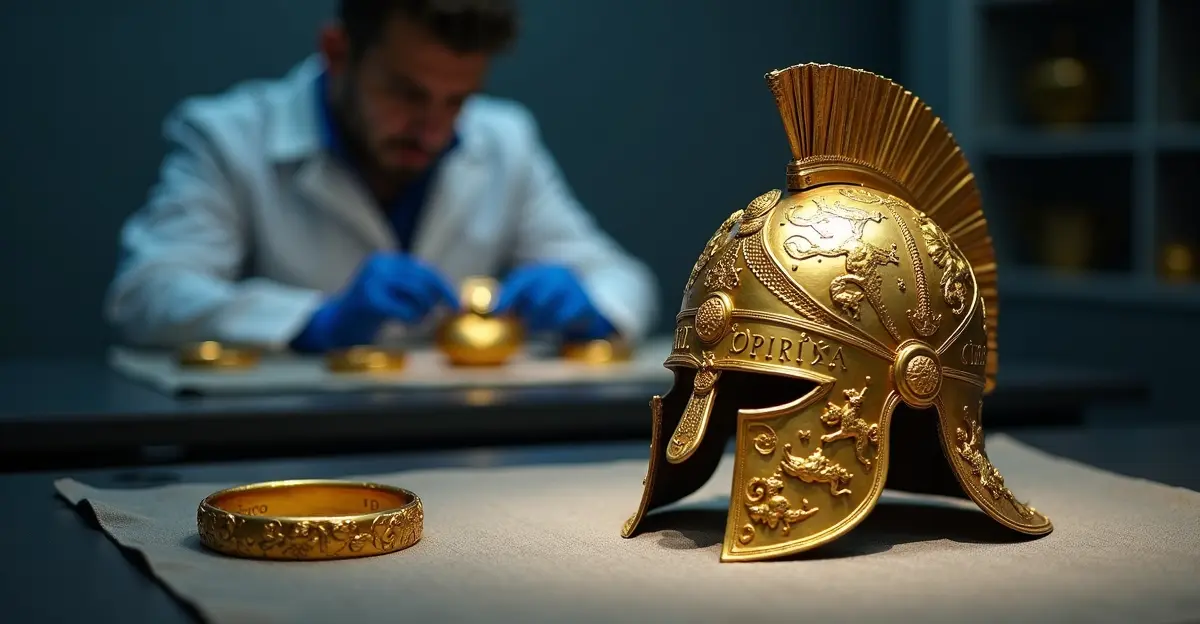
The Treasure of Villena is a prehistoric hoard of roughly 66 pieces dating to around 1000 BC. Discovered in 1963 by archaeologist José María Soler in a dry riverbed, the collection weighs about 10 kilograms and includes gold, silver, iron and amber objects. This treasure, comparable to other Bronze Age gold hoards in Europe, has been described as the continent's most important prehistoric trove.
How did the four-minute museum heist unfold?
Officials called the operation “super-fast and super-professional.” A timeline of the raid shows:
- 5:15 a.m. – An alarm sounds at a local sports centre, drawing police attention.
- 5:20 a.m. – The museum's alarm is triggered.
- 5:24 a.m. – Police arrive to find the thieves already gone with the gold.
Investigators believe the sports-centre alarm was a diversion. The intruders entered through a window and likely used several vehicles to flee. This tactic mirrors recent diversionary museum heist techniques across Europe.
What was stolen from the Villena museum?
The thieves took most of the gold on display, including:
- 29 gold bracelets
- 11 gold bowls
- 3 gold bottles
- 3 historic crowns
Left behind were three silver vessels, one bracelet and parts of the Kingfisher staff. The gold alone has a material value of about €1.7 million, but officials say the historical loss is incalculable.
Europol warning: museum heists turn violent
The raid comes as Europol released a new report this week warning that museum thefts across Europe are becoming increasingly violent. Criminals are shifting from paintings to precious metals, gems and high-value cultural objects, sometimes using explosives and firearms. The report cites the Louvre jewellery heist and the Drents Museum Romanian treasure theft in Assen last year, where thieves blew open a door with explosives.
Impact and investigation
Villena's mayor said the town is devastated. “I am shaking on my legs. This treasure is part of our heritage, of our wealth,” he told Spanish media. Police are still mapping exactly how many objects were stolen, while officials insist all security systems functioned without failure. The robbery has reignited debate about museum security in Spain, and Europol urges institutions to enhance surveillance, track black-market sales of precious metals and strengthen cross-border cooperation.
Frequently asked questions
What is the Treasure of Villena?
The Treasure of Villena is a Bronze Age hoard of about 66 mostly gold artefacts, discovered in 1963 near Villena, Spain, and dated to around 1000 BC.
How long did the Villena museum heist take?
The entire raid took about four minutes. The museum alarm sounded at 5:20 a.m. and the thieves had fled by 5:24 a.m.
What did the thieves steal?
They stole the majority of the collection, including 29 bracelets, 11 bowls, three bottles and three crowns, mostly made of gold.
Why are European museum heists becoming more violent?
According to Europol, organized criminal networks are targeting precious metals and high-value objects, increasingly using force, explosives and firearms during thefts.
Has the Treasure of Villena been recovered?
As of August 27, 2026, the stolen artefacts have not been recovered, and Spanish police are continuing their investigation.




Follow Discussion