


 Deutsch
 English
 Español
 Français
 Nederlands
 Português


 Share
Share




Evergrande Founder Sentenced to Life in Prison
Hui Ka Yan, founder of China's collapsed property giant Evergrande, was sentenced to life imprisonment on Thursday, 20 August 2026, by the Shenzhen Intermediate People's Court. The 67-year-old was also ordered to forfeit all personal assets after pleading guilty in April to embezzlement and corporate bribery. The ruling caps one of the most dramatic corporate falls in Chinese history and sends a stark warning to executives in the property sector.
What Led to the Evergrande Collapse?
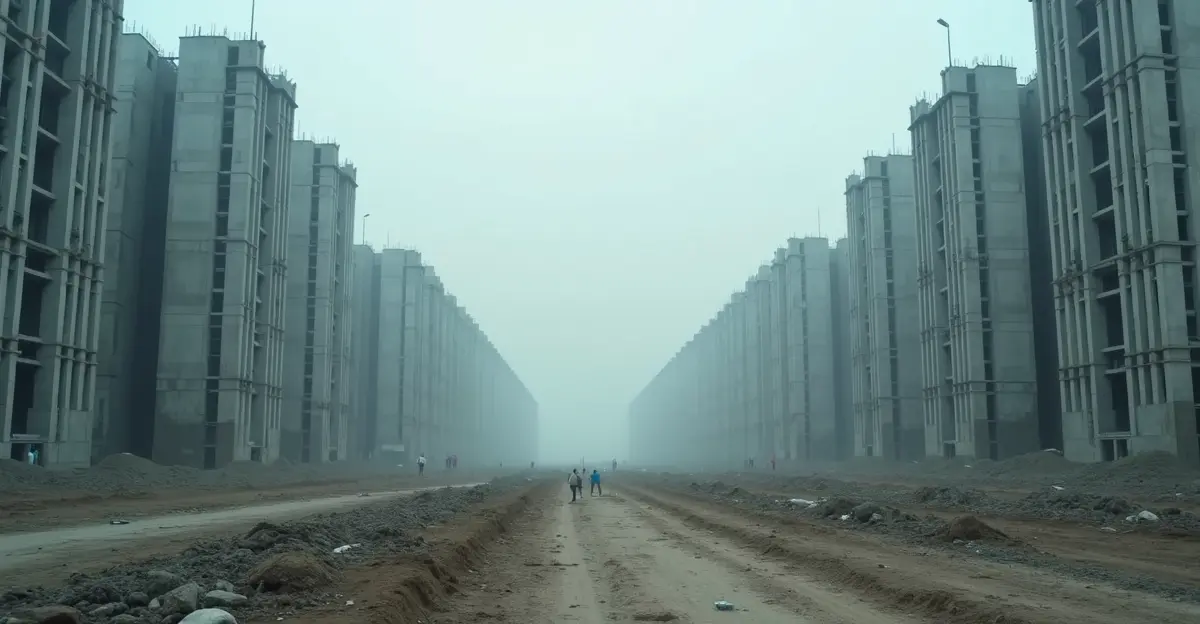
Hui founded Evergrande in 1996 in Guangzhou during China's mass urbanization boom. By 2017 the company had become China's second-largest property developer by sales, and Hui's fortune peaked at $45.3 billion, briefly making him Asia's richest man. But Evergrande grew by borrowing heavily from banks and construction firms. The Chinese property sector crisis began in 2021 when Evergrande could no longer repay its debts, leaving liabilities of more than $300 billion and hundreds of unfinished apartment projects across the country. The company filed for Chapter 15 bankruptcy protection in the United States in 2023 and was wound up by a Hong Kong court in January 2024.
What Was Hui Ka Yan Charged With?
Prosecutors charged Hui with eight offenses, including embezzlement, corporate bribery, fraud, falsifying financial records, and illegal fundraising. He pleaded guilty in April 2026. On Thursday, the court said Hui had abused his position to commit fraud and had seriously disrupted China's property market, causing significant economic losses. Hui and his businesses seriously disrupted China's property market, causing significant economic losses, the court said in a statement.
Key Penalties in the Evergrande Case
- Hui Ka Yan: life imprisonment and confiscation of all personal property
- Evergrande Group: fine of 15.82 billion yuan ($2.35 billion) for falsifying records and concealing debt
- 56 co-defendants: prison terms ranging from 22 months to 18 years, including Hui's two sons
From Asia's Richest Man to Prison
Born in 1958 in rural Henan province, Hui rose from a steel-factory job to build Evergrande into a sprawling conglomerate that also owned a football club and an electric-vehicle venture. His personal fortune reached $45.3 billion in 2017, and he ranked among the world's richest people. But the Evergrande debt collapse erased most of that wealth: by October 2023, Bloomberg estimated his net worth had fallen below $1 billion. In September 2023, Hui was detained by police and placed under investigation for suspected illegal activity.
What the Life Sentence Means for China's Property Sector
The verdict is the latest signal of Beijing's crackdown on corporate misconduct in real estate, a sector that accounts for a large share of the Chinese economy. Analysts say the Evergrande collapse already triggered a broader slump in China's property market that continues to weigh on growth. Homebuyers who paid for apartments that were never completed have yet to recover their money. Experts in China corporate fraud crackdown note that the life sentence is meant to deter other developers from similar practices.
Evergrande Timeline
- 1996: Hui Ka Yan founds Evergrande in Guangzhou.
- 2017: Evergrande becomes China's second-largest developer; Hui's fortune peaks at $45.3 billion.
- 2021: Evergrande defaults on debts, triggering China's property crisis.
- 2023: Hui is detained; Evergrande files for U.S. bankruptcy protection.
- 2024: Hong Kong court orders Evergrande to liquidate.
- 2025: Evergrande is delisted from the Hong Kong Stock Exchange.
- 20 August 2026: Hui is sentenced to life in prison and ordered to forfeit all personal assets.
FAQ
What is Evergrande?
Evergrande was a Chinese property developer founded in 1996. At its peak it was the world's most valuable real estate company before collapsing under debt in 2021.
Why was Hui Ka Yan sentenced to life in prison?
Hui was convicted of embezzlement, corporate bribery, fraud, and other financial crimes after pleading guilty in April 2026.
How much did Evergrande owe?
Evergrande's total liabilities stood at about $340 billion as of December 2022, making it one of the largest corporate debt collapses in history.
What happens to Hui Ka Yan's assets?
The court ordered all of Hui's personal property to be confiscated, and his companies were fined 15.82 billion yuan.
When did Evergrande collapse?
Evergrande's financial crisis erupted in 2021 when it could no longer repay debts, triggering China's ongoing property sector crisis. It was wound up by a Hong Kong court in January 2024.



Follow Discussion