


 Deutsch
 English
 Español
 Français
 Nederlands
 Português


 Share
Share




Italian Police Raid Chanel, Bulgari, and Moncler in Sweeping Labour Exploitation Probe
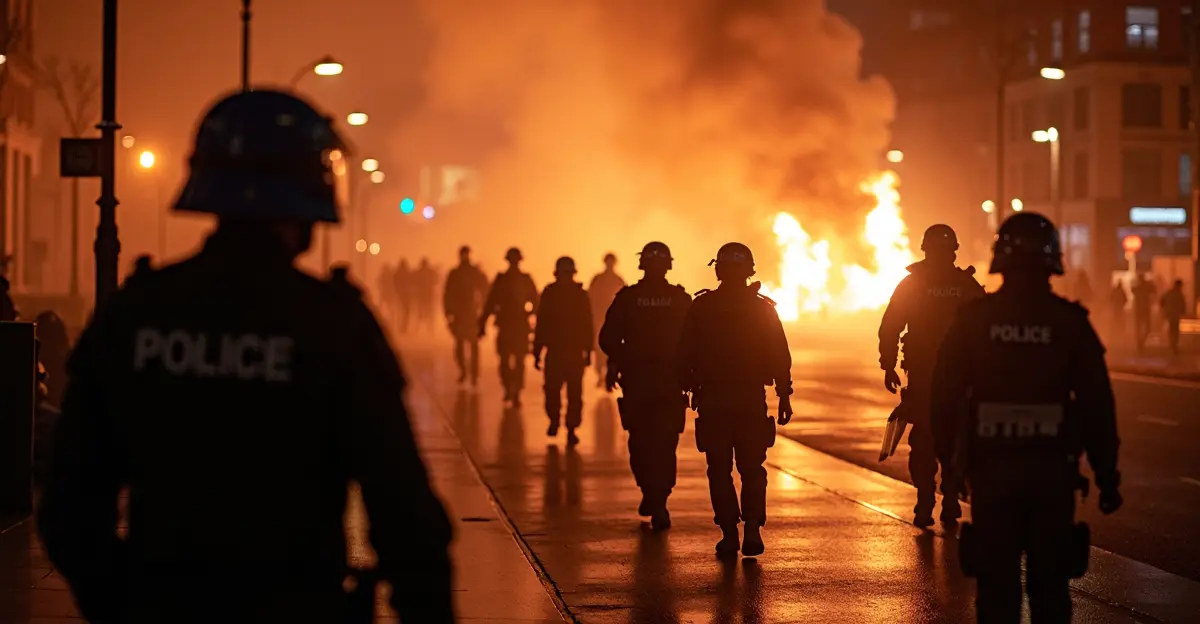
Italian police have conducted raids on the offices of eleven luxury fashion brands, including Chanel, Bulgari, Moncler, and Brunello Cucinelli, as part of a widening investigation into the exploitation of Chinese migrant workers in the country's textile supply chains. The Milan Prosecutor's Office confirmed to Il Sole 24 Ore that the brands are suspected of complicity in labour abuses at subcontractor factories producing handbags and accessories. The probe marks the latest escalation in Italy's crackdown on unethical practices tarnishing the prestigious 'Made in Italy' label.
According to prosecutors, the luxury brands are believed to have used subcontractors that employed Chinese workers without valid residency permits in unsafe and unhygienic conditions. Authorities described the housing provided to workers as 'degrading' and noted that wages were extremely low. The raids follow a similar operation in December 2025 targeting 13 other fashion houses, including Gucci, Prada, and Versace.
Background: A Growing Crackdown on Luxury Supply Chains
The Italian fashion industry, long celebrated for its craftsmanship and quality, has faced mounting scrutiny over the past two years. In 2024, investigators raided Dior and Armani, placing Manufactures Dior under court administration after uncovering that bags retailing for €2,600 were produced for just €53 by exploited workers. The luxury fashion supply chain scandal has since expanded to include dozens of brands, revealing a systemic pattern of subcontracting through multiple opaque tiers.
In July 2025, LVMH-owned Loro Piana was placed under judicial administration for one year after police found workers forced to work 90-hour weeks for under $5 per hour, sleeping in makeshift factory dormitories. The court ruled the company 'culpably failed' to oversee its suppliers. Similar measures were applied to Valentino and Alviero Martini.
Current Investigation: Brands Under Scrutiny
The latest investigation involves eleven brands: Chanel, Bulgari, Goyard, Moncler, Brunello Cucinelli, Etro, Goyard Italie, Jacob Cohen Company, Stefano Ricci, and others. Prosecutors have demanded documents detailing deliveries, working conditions, and supply chain oversight. None of the companies are currently under formal investigation, but if their preventive measures are deemed insufficient, they could be placed under court-appointed administration.
Brunello Cucinelli Responds
Brunello Cucinelli issued a statement expressing 'amazement and regret' that its packaging materials were found at an unsuitable workplace. 'We have checked our documents and found no serious problems. We have always paid a fair price,' the company said, pledging full cooperation with authorities.
Broader Industry Impact
The raids come amid a wider reckoning for luxury fashion. The Italian textile worker exploitation crisis has exposed how even the most prestigious brands rely on fragmented supply chains where oversight is minimal. Milan prosecutor Paolo Storari confirmed the operation on July 17, 2026, stating that the probe focuses on the widespread practice of subcontracting through multiple tiers of suppliers, eventually reaching firms with poor labour standards.
Systemic Issues in the 'Made in Italy' Label
The 'Made in Italy' designation, once a guarantee of quality and ethical production, has come under severe pressure. Rising production costs and weak enforcement have pushed luxury brands toward smaller workshops, often owned by Chinese nationals, where migrant workers are exploited. A 2025 investigation by The Guardian found that some €3,000 jackets were produced for as little as €118, with workers earning €4 per hour for 90-hour weeks.
Industry experts warn the problem is systemic. According to Forbes, about 50% of global luxury goods production occurs through thousands of small, hard-to-monitor Italian manufacturers. The ethical fashion supply chain reforms being demanded by prosecutors could reshape how the entire industry operates.
Previous Cases Set Precedent
In 2024, Dior was ordered to pay €2 million in aid to exploitation victims after bags were found to be made in sweatshops. In 2025, Prada cut ties with over 200 suppliers after discovering abuses. Loro Piana remains under court administration, with a commissioner overseeing supply chain improvements. Italy's Industry Minister Adolfo Urso has defended the brands, claiming their reputation is 'under attack,' but prosecutors show no signs of slowing down.
Impact and Implications
The investigations have significant implications for the global luxury market. Brands now face reputational damage, potential judicial oversight, and pressure to implement transparent supply chains. Consumers are increasingly demanding ethical production, and regulators across Europe are tightening due diligence laws. The EU's Corporate Sustainability Due Diligence Directive, which requires companies to monitor human rights and environmental impacts in their supply chains, is expected to accelerate these changes.
For the workers, many of whom are undocumented Chinese migrants, the situation remains precarious. While authorities shut down hazardous factories and issue fines, advocates argue that more needs to be done to protect vulnerable labourers and ensure they receive fair compensation.
Frequently Asked Questions
What brands were raided by Italian police?
Italian police raided the offices of Chanel, Bulgari, Goyard, Moncler, Brunello Cucinelli, Etro, Goyard Italie, Jacob Cohen Company, and Stefano Ricci, among others.
Why are luxury brands being investigated?
Prosecutors suspect the brands of complicity in labour exploitation after subcontractors were found employing Chinese migrant workers in unsafe conditions with extremely low wages and degrading housing.
What is 'Made in Italy' and why is it under pressure?
'Made in Italy' is a label indicating Italian production, traditionally associated with high quality. It is under pressure because rising costs and weak oversight have led brands to use opaque subcontractors where exploitation occurs.
What penalties do brands face?
If found negligent, brands can be placed under judicial administration, forced to implement supply chain reforms, and required to compensate victims. Criminal charges are possible if direct complicity is proven.
How does this affect consumers?
Consumers may face higher prices as brands invest in ethical supply chains, and they are increasingly seeking transparency about where and how products are made.



Follow Discussion