


 Deutsch
 English
 Español
 Français
 Nederlands
 Português


 Share
Share




Himalaya Rescue Scam: 32 Charged for Poisoning Climbers in $20M Fraud
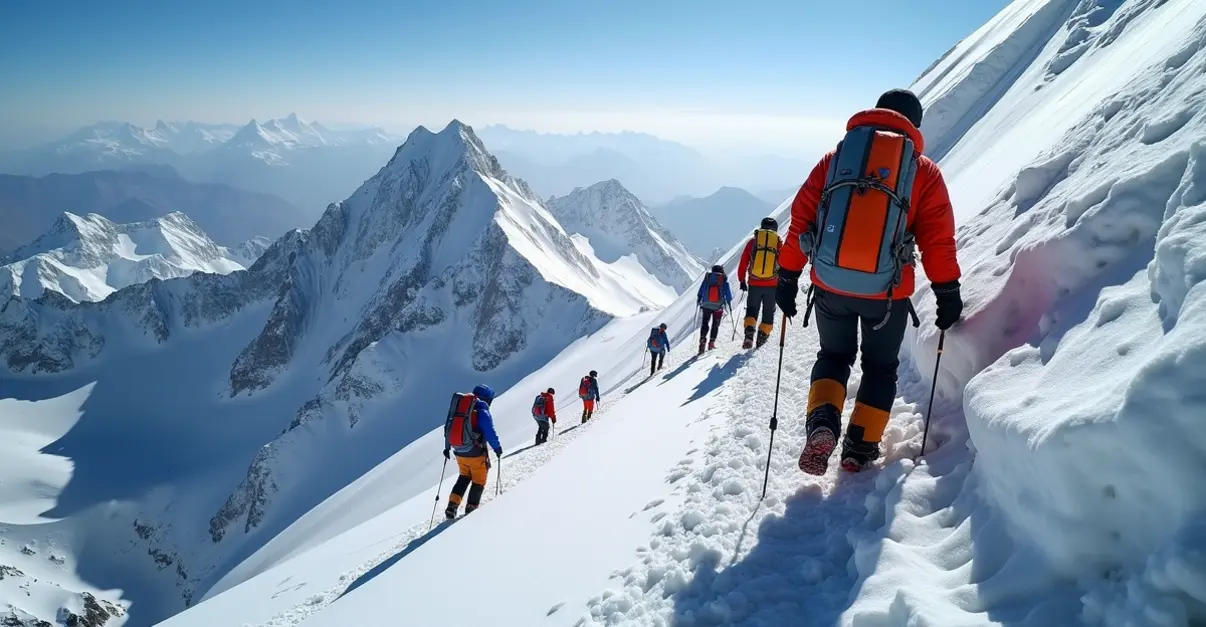
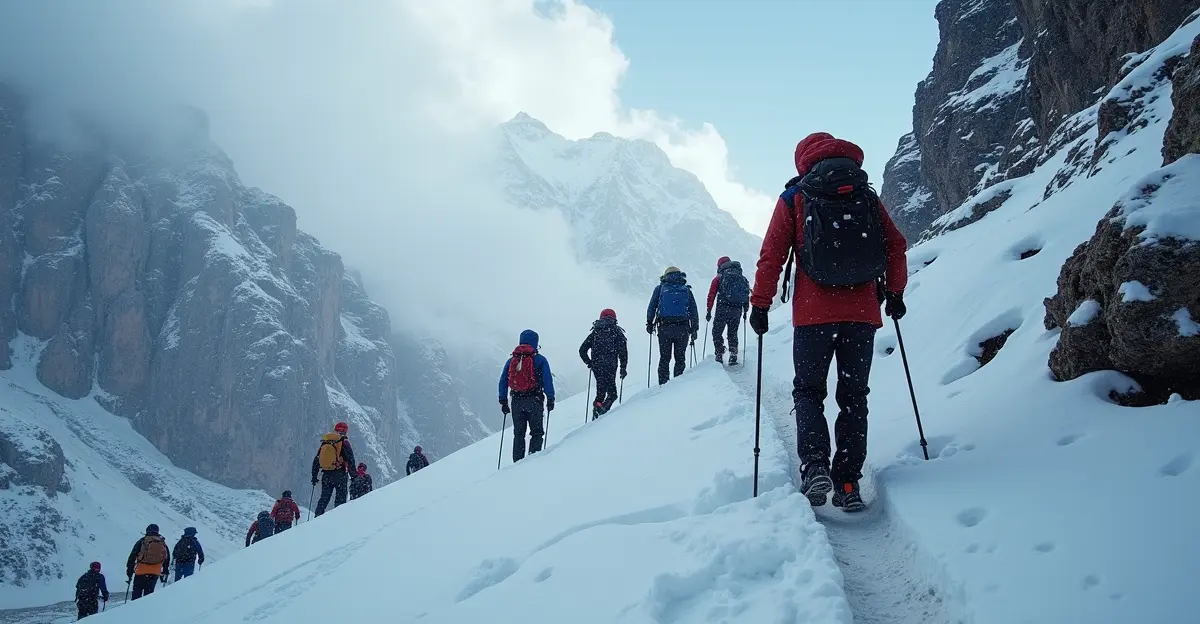
Nepalese authorities have uncovered one of the largest tourism fraud scandals in the country's history, charging 32 individuals with orchestrating a $20 million insurance scam that involved deliberately poisoning climbers to trigger fake helicopter rescues in the Himalayas. The sophisticated criminal network, which operated between 2022 and 2025, targeted nearly 5,000 foreign trekkers across popular routes including Everest, Annapurna, and Langtang regions.
What is the Himalaya Fake Rescue Scam?
The Himalaya fake rescue scam was an organized criminal operation where trekking guides, helicopter operators, and hospital executives colluded to create fraudulent medical emergencies. Guides would deliberately make tourists sick by spiking their food with baking soda or serving contaminated meals to simulate altitude sickness symptoms. Once travelers became ill, they were pressured into expensive helicopter evacuations costing $3,000-$5,000 per person, with insurance companies billed for fabricated medical emergencies.
The Organized Criminal Network
According to police investigations, the fraud involved a well-coordinated network spanning multiple sectors of Nepal's tourism industry. Eleven suspects have been arrested so far, including owners and employees of trekking agencies, helicopter companies, and hospitals who worked together to defraud international insurance providers.
How the Scam Operated
The criminal operation followed a systematic pattern:
- Deliberate Poisoning: Guides secretly added baking soda to tourists' food and drinks at teahouses and base camps, causing severe nausea, vomiting, and dehydration resembling acute altitude sickness.
- Pressure Tactics: Once tourists fell ill, guides exaggerated the medical danger and pressured them into emergency helicopter evacuations.
- Fabricated Documentation: Hospitals issued inflated or completely fabricated medical reports, while helicopter companies submitted bills for emergency evacuations.
- Insurance Fraud: The network submitted multiple insurance claims for single rescues, with some operators billing each passenger separately even when flown together.
The scheme's sophistication extended to financial kickbacks, where hospitals paid 20-25% commissions to trekking agencies and helicopter companies. In some cases, tourists themselves received financial incentives to participate in the fraud. This scandal follows similar patterns to other tourism industry fraud cases that have plagued developing economies.
Scale and Financial Impact
The financial scale of the operation is staggering. Nepalese police estimate the fraud generated approximately $20 million in illicit revenue, with prosecutors seeking 1.5 billion Nepalese rupees (about $11.3 million) in fines from the accused. One rescue company alone is accused of conducting 171 fraudulent evacuations out of 1,248 claimed rescues worth over $10 million.
Between 2022 and 2025, the network affected 4,782 international climbers, with over 300 rescue operations identified as fraudulent. The investigation revealed that some operators had been running similar schemes since at least 2018, when the Kathmandu Post first exposed the practice, but government reforms failed to stop the criminal activity.
Impact on Nepal's Tourism Industry
The scandal has dealt a severe blow to Nepal's tourism industry, which contributes 6.7% to the country's GDP and supports over 1 million jobs. Tourism is Nepal's largest source of foreign exchange, bringing in approximately $471 million annually. The Nepal tourism industry now faces significant reputational damage that could have long-term economic consequences.
"This is one of the most damaging scandals in Nepal's tourism history," said a tourism industry analyst who requested anonymity. "The trust between guides and climbers is fundamental to mountain tourism, and this betrayal could take years to repair."
The immediate consequences are already visible. Several major international insurance companies have stopped offering coverage for trekking tourists in Nepal, citing the difficulty of verifying claims in remote mountain areas. This creates significant barriers for future tourists who require medical evacuation insurance for high-altitude expeditions.
Legal Proceedings and Regulatory Response
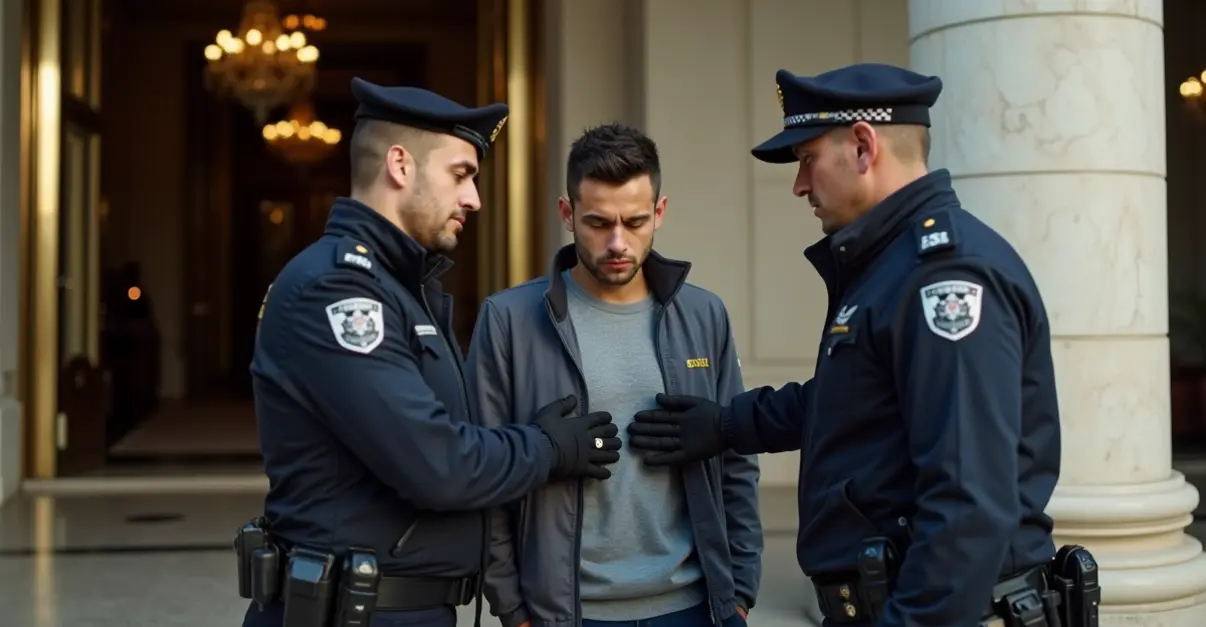
The Kathmandu District Government Attorney's Office has filed organized crime and fraud charges against all 32 suspects. Court proceedings are underway, with authorities vowing to pursue maximum penalties. The case represents Nepal's most significant crackdown on tourism industry corruption in recent years.
Government officials have announced plans for regulatory reforms, including:
- Stricter licensing requirements for trekking agencies and guides
- Mandatory GPS tracking of all rescue operations
- Centralized verification system for medical evacuation claims
- Increased penalties for tourism industry fraud
These measures aim to restore credibility to Nepal's emergency response system and prevent similar scams in the future. The government faces pressure to act decisively, as the scandal threatens the adventure tourism sector that attracts thousands of foreign visitors annually.
FAQs About the Himalaya Fake Rescue Scam
How were tourists poisoned in the scam?
Guides secretly added baking soda (sodium bicarbonate) to tourists' food and drinks, which causes severe gastrointestinal distress including nausea, vomiting, and dehydration that mimics altitude sickness symptoms. In some cases, contaminated or raw chicken was also served to induce illness.
How much money was involved in the fraud?
Authorities estimate the scam generated approximately $20 million in fraudulent insurance claims between 2022 and 2025. Prosecutors are seeking $11.3 million in fines from the accused individuals and companies.
How many tourists were affected?
Police investigations indicate 4,782 international climbers encountered the fraudulent network between 2022-2025, with over 300 rescue operations identified as fake or exaggerated.
What should future trekkers do to protect themselves?
Experts recommend: 1) Research trekking companies thoroughly, 2) Verify guide certifications, 3) Purchase insurance from reputable providers, 4) Be cautious of pressure to accept helicopter evacuations for minor symptoms, and 5) Report suspicious behavior to authorities.
Has this affected travel insurance for Nepal?
Yes, several major insurance companies have suspended or restricted coverage for trekking in Nepal due to the difficulty of verifying claims in remote areas. Travelers should check current policy availability before planning expeditions.



Follow Discussion