


 Deutsch
 English
 Español
 Français
 Nederlands
 Português


 Share
Share




Breaking: Europol Smashes Channel Smuggling Network, 21 Arrests in Major European Operation
In a significant blow to organized crime, Europol has disrupted a major human smuggling supply chain operating across the English Channel, resulting in 21 arrests across Europe. The coordinated operation, which involved police forces from five countries, targeted a criminal network that supplied inflatable boats, engines, and equipment to smuggling operations facilitating dangerous crossings from France and Belgium to the United Kingdom.
What is the Europol Channel Smuggling Operation?
The March 25, 2026 operation represents one of the most significant disruptions to Channel smuggling infrastructure in recent years. Europol, the European Union Agency for Law Enforcement Cooperation, coordinated simultaneous raids across Germany, Belgium, France, the Netherlands, and the United Kingdom. The investigation focused on a sophisticated criminal syndicate composed primarily of Iraqi-Kurdish and Syrian members who operated as logistical suppliers rather than direct smugglers.
According to Europol officials, this network didn't conduct the actual crossings but provided the essential equipment that made them possible. 'This operation has successfully disrupted the supply chain that fuels the dangerous Channel crossings,' stated a Europol spokesperson. 'By targeting the logistical backbone of these operations, we're hitting criminal networks where it hurts most - their ability to profit from human suffering.'
Operation Details and Seizures
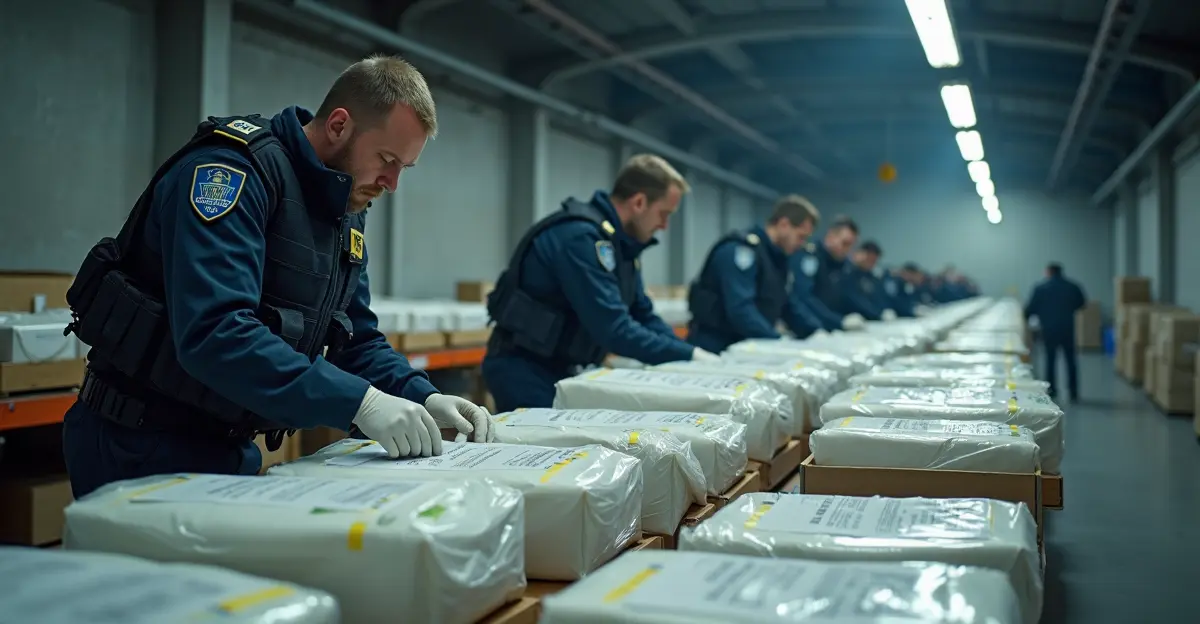
The coordinated raids involved 500 German police officers alone, conducting searches at 14 locations across North Rhine-Westphalia. Authorities arrested four high-value targets described as 'ringleaders' of the operation, all Syrian nationals residing in Germany. These arrests followed 17 earlier apprehensions of lower-level operatives, bringing the total to 21 individuals detained in connection with the smuggling network.
Major Seizures Include:
- 11 inflatable boats ready for smuggling operations
- Multiple outboard engines and fuel pumps
- Numerous inner tubes used as makeshift life vests
- Firearms and ammunition
- Gold bars worth substantial value
- Nearly €60,000 in cash
- Electronic devices containing operational data
The smuggling packages assembled by this network were valued at over €10,000 each and included complete kits for Channel crossings. These dangerous operations have proven highly profitable for criminal enterprises, with each successful crossing generating between €100,000 and €150,000 for smuggling networks.
The Human Cost of Channel Crossings
The operation comes against a backdrop of increasing danger and fatalities in the English Channel. In 2025 alone, more than 40,000 migrants attempted the crossing in approximately 670 boats, with 31 people losing their lives during these perilous journeys. Migrants typically pay between €1,000 and €2,000 for the dangerous passage, often risking everything for the chance to reach the UK.
The European migrant crisis has seen criminal networks increasingly resort to extreme measures, including threats, kidnappings, physical abuse, sexual exploitation, and torture to extort additional payments from migrants and their families. These developments highlight the urgent need for coordinated European action against smuggling operations.
Launch of ECAMS: Europe's New Anti-Smuggling Center
Coinciding with this major operation, Europol has officially launched the European Centre Against Migrant Smuggling (ECAMS), a specialized unit dedicated to combating organized criminal groups profiting from human smuggling. The center will employ 140 specialists focusing on digital tracking of smuggling networks and disrupting their financial and logistical operations.
'ECAMS represents a quantum leap in our ability to combat migrant smuggling,' explained a Europol director. 'By combining digital expertise with traditional investigative methods and enhanced cross-border cooperation, we're creating a comprehensive approach to dismantle these criminal enterprises systematically.'
International Cooperation and Future Implications
The successful operation demonstrates the effectiveness of international law enforcement cooperation. Authorities from Belgium, France, Germany, the Netherlands, and the United Kingdom worked closely with Europol and Eurojust throughout the investigation that began in 2025. This multi-agency approach allowed for intelligence sharing and coordinated action across borders.
The UK border security situation has been a persistent challenge, with smuggling networks constantly adapting their methods. This operation specifically targeted the supply chain aspect of smuggling operations, recognizing that without proper equipment, even the most determined smugglers cannot conduct successful crossings.
Looking forward, European authorities anticipate that the disruption of this supply network will have significant impacts on smuggling operations in the coming months. However, they acknowledge that criminal networks are resilient and likely to attempt to rebuild their operations, necessitating continued vigilance and international cooperation.
Frequently Asked Questions
What was seized in the Europol operation?
Authorities seized 11 inflatable boats, multiple engines, firearms, gold bars, nearly €60,000 in cash, and electronic devices containing operational data from the smuggling network.
How profitable is Channel smuggling for criminal networks?
Each successful Channel crossing generates between €100,000 and €150,000 for smuggling networks, with migrants paying €1,000-€2,000 per person for the dangerous journey.
What is ECAMS and what will it do?
The European Centre Against Migrant Smuggling (ECAMS) is Europol's new specialized unit focusing on digital tracking of smuggling networks and disrupting their financial and logistical operations with 140 specialists.
How many migrants crossed the Channel in 2025?
In 2025, over 40,000 migrants attempted Channel crossings in approximately 670 boats, with 31 people losing their lives during these dangerous journeys.
Which countries participated in the operation?
The operation involved law enforcement agencies from Belgium, France, Germany, the Netherlands, and the United Kingdom, coordinated through Europol and Eurojust.





Follow Discussion