Nederlands
 English
 Deutsch
 Français
 Español
 Português
Denmark's PostNord ends 400+ years of letter delivery, removes iconic mailboxes. Job losses and charity auctions follow as digitalization makes traditional mail economically unsustainable. Private alternatives emerge while Netherlands extends delivery times.
Historic End to Denmark's Letter Delivery Service
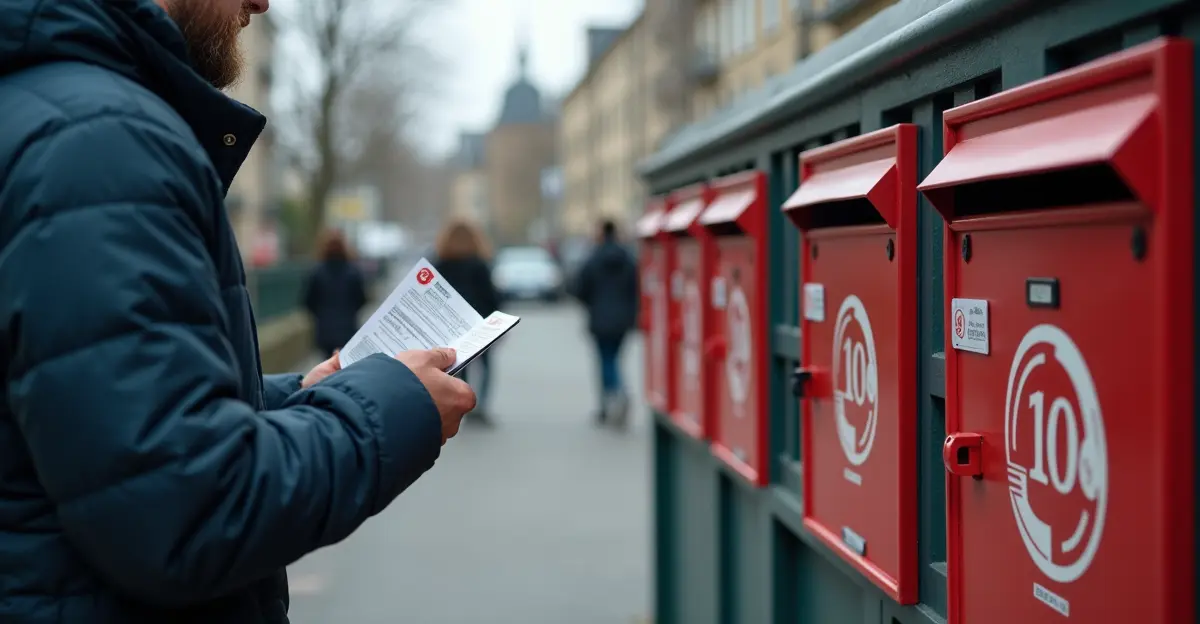
Today marks a historic turning point in Denmark's postal history as PostNord, the country's primary postal service, delivers its final letter placed in a traditional mailbox. This momentous decision ends over 400 years of postal tradition and makes Denmark the first country to completely abandon daily letter delivery as a state-run service. The iconic red mailboxes that have dotted Danish streets for generations are being removed, with approximately 1,500 already taken down and donated to charity auctions.
'This is the end of an era that has survived wars and industrial revolutions, but couldn't survive the digital age,' said postal historian Lars Jensen, who has documented Denmark's postal history for decades. 'The red mailbox has been a symbol of connection between Danes for centuries, but today it's become a relic of the past.'
Digital Transformation Drives Change
The decision comes as Denmark solidifies its position as one of the world's most digitally advanced nations. According to PostNord's own statistics, letter volumes have plummeted by a staggering 90% since 2000. The company announced this major shift back in March 2025 and has seen no reason to reverse course since.
PostNord CEO Mikkel Hansen explained the financial reality: 'Maintaining a nationwide network of mailboxes and daily delivery routes for letters is simply no longer economically viable. While it's emotionally difficult to end such a long tradition, we must adapt to where society is heading.'
Job Losses and Charity Auctions
The transition has significant human costs. Approximately 1,500 of PostNord's 4,600 employees have already lost their jobs, with more restructuring expected as the company shifts focus entirely to parcel delivery. The growing e-commerce market has made package delivery the only financially sustainable part of the postal business.
The removal of Denmark's 1,500 iconic red mailboxes has become a cultural event in itself. PostNord has donated all mailboxes to Danmarks Indsamling, a coalition of Danish aid organizations, which has been auctioning them to the public. Prices have ranged from approximately €200 to €270 depending on condition, with another batch of 200 mailboxes scheduled for auction in January 2026.
Alternative Services Emerge
While PostNord ends letter delivery, Danes haven't completely lost the ability to send physical mail. Private company DAO will continue to accept letters, but with significant changes to the traditional model. Letters must be pre-franked and addressed online, then dropped off at one of DAO's 1,500 service points. Delivery will take approximately five days, a far cry from the next-day service Danes have been accustomed to.
'We're seeing surprising demand from younger generations,' noted DAO spokesperson Karen Nielsen. 'People aged 18-34 are actually driving much of our letter volume, perhaps as a reaction against constant digital communication.'
Dutch Parallels and European Context
Denmark's radical move comes as other European countries grapple with similar challenges. In the Netherlands, PostNL has received government approval to extend letter delivery times from one to three days starting in 2027. Dutch Economic Affairs Minister Vincent Karremans explained the decision: 'I cannot ask a company to execute a government directive at a loss in the long term. Regulations must keep pace with the times to ensure reliable postal delivery.'
The Dutch situation differs significantly, however. PostNL remains legally obligated to maintain a mailbox network and deliver mail within specified timeframes, though these requirements have been relaxed. The company recently had a multi-million euro fine for late deliveries overturned, highlighting the tension between regulatory requirements and economic reality.
Impact on Vulnerable Populations
While Denmark's digital infrastructure is among the world's most advanced, concerns remain about vulnerable populations. Elderly citizens, people with disabilities, and those in remote areas who may lack reliable internet access could face challenges with the transition to fully digital communication.
Social worker Anna Petersen expressed concern: 'For some of my elderly clients, receiving physical mail is their primary connection to the outside world. We need to ensure alternative support systems are in place before completely eliminating this service.'
Denmark's move represents a watershed moment in global postal services. As other countries watch closely, the Danish experiment will provide valuable insights into how societies can manage the transition from physical to digital communication while maintaining essential services for all citizens.