


 Deutsch
 English
 Español
 Français
 Nederlands
 Português


 Share





European carmakers are stepping up their counter-offensive against Chinese electric vehicle (EV) pressure, with Volkswagen CEO Oliver Blume backing new EU 'Made in Europe' rules and Citroën reviving its iconic 2CV as an electric model. The twin announcements, made ahead of the Paris Motor Show, signal a strategic push to reward local value creation and defend Europe's automotive heritage amid a wave of lower-priced Chinese EVs.
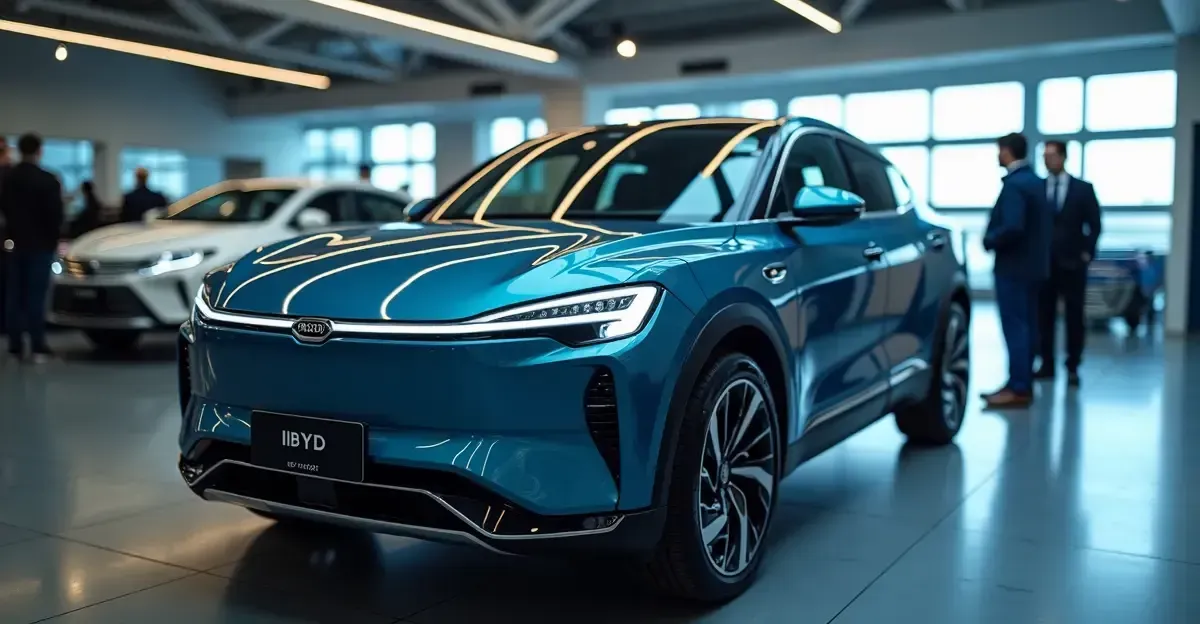
Chinese brands such as BYD, MG and Xpeng have rapidly expanded their European market share by undercutting established rivals. According to the European Commission, Chinese EVs were subject to countervailing duties of up to 45.3% from late 2024, yet their price advantage remains significant. China's automotive industry became the world's largest vehicle exporter in 2023 and shipped 7.1 million vehicles in 2025, deepening concerns among European policymakers about Chinese EV tariffs.
What Are the EU's 'Made in Europe' Rules?
The proposed 'Made in Europe' requirements would set minimum thresholds for European content, assembly, or value creation in vehicles sold across the bloc. Supporters argue these rules would level the playing field against Chinese competitors that benefit from state subsidies and economies of scale. The European Commission has been examining options including stricter local content rules and tighter scrutiny of foreign investment in EV supply chains, building on the EU carbon border tax framework already reshaping trade policy.
Volkswagen Backs EU 'Made in Europe' Rules
Speaking to reporters in Wolfsburg, Volkswagen Group CEO Oliver Blume said European regulations must reward companies that invest in the continent. "We need rules that reward real value creation in Europe — not just assembly, but research, development and jobs," Blume said. "If we want to keep Europe's auto industry competitive, we cannot simply watch Chinese manufacturers undercut our prices."
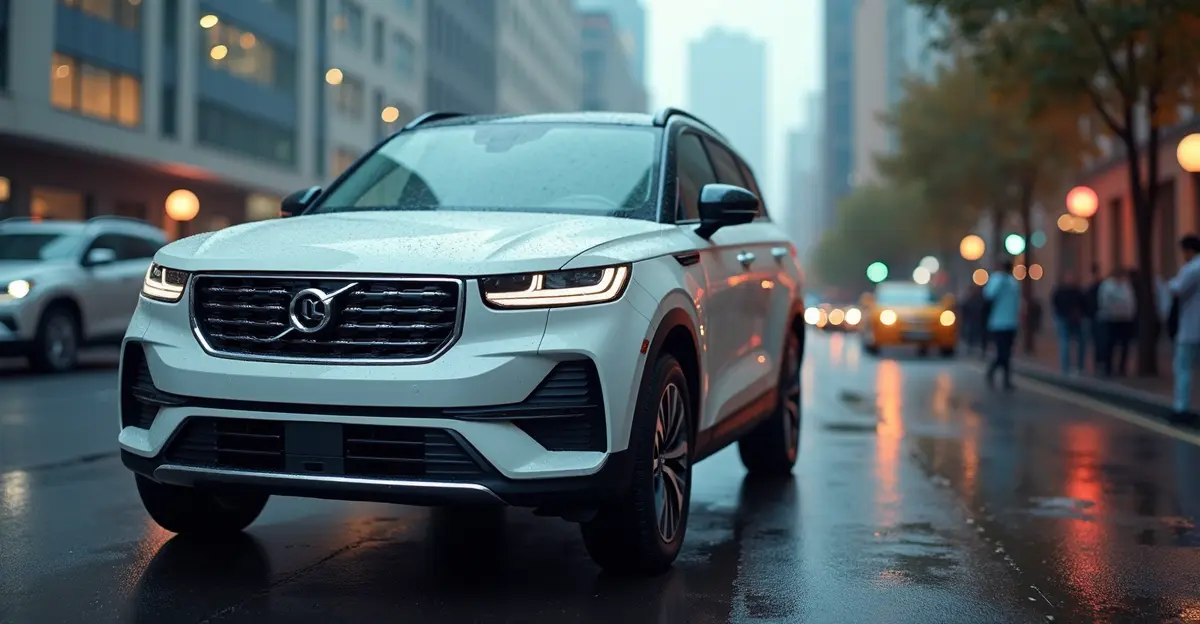
Blume's comments come as Volkswagen prepares to launch a new generation of affordable EVs, including the ID.2 at around €25,000, while also cutting costs through its European auto industry transformation programme. Analysts say the push for local content could accelerate Volkswagen's shift toward European battery production and software development.
Citroën Revives the Electric 2CV
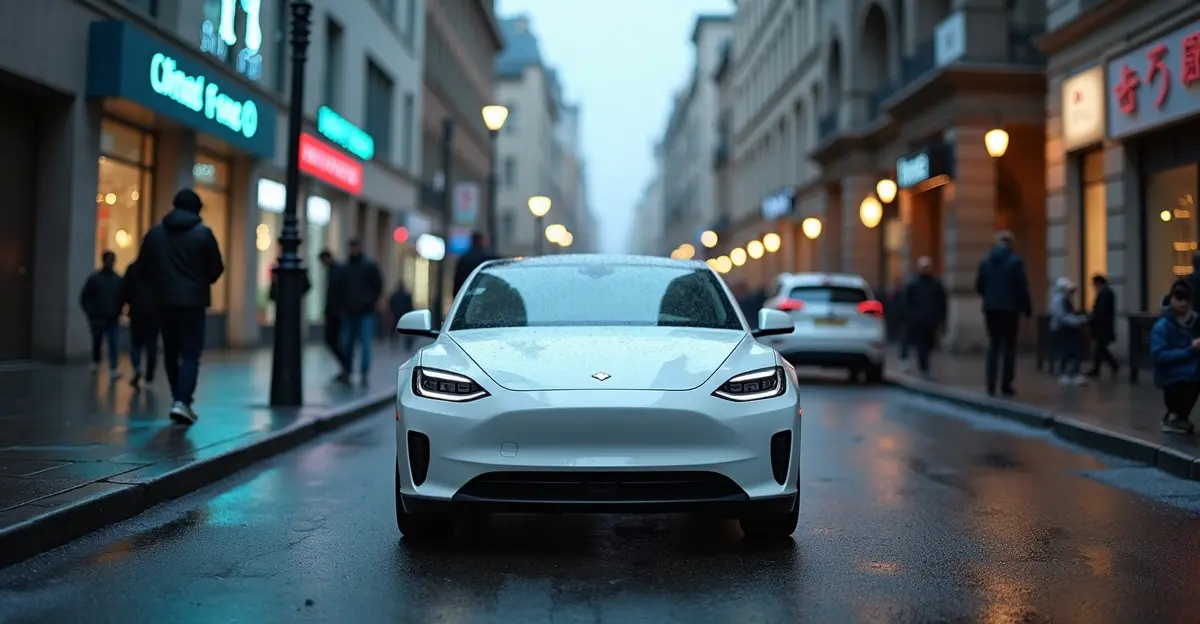
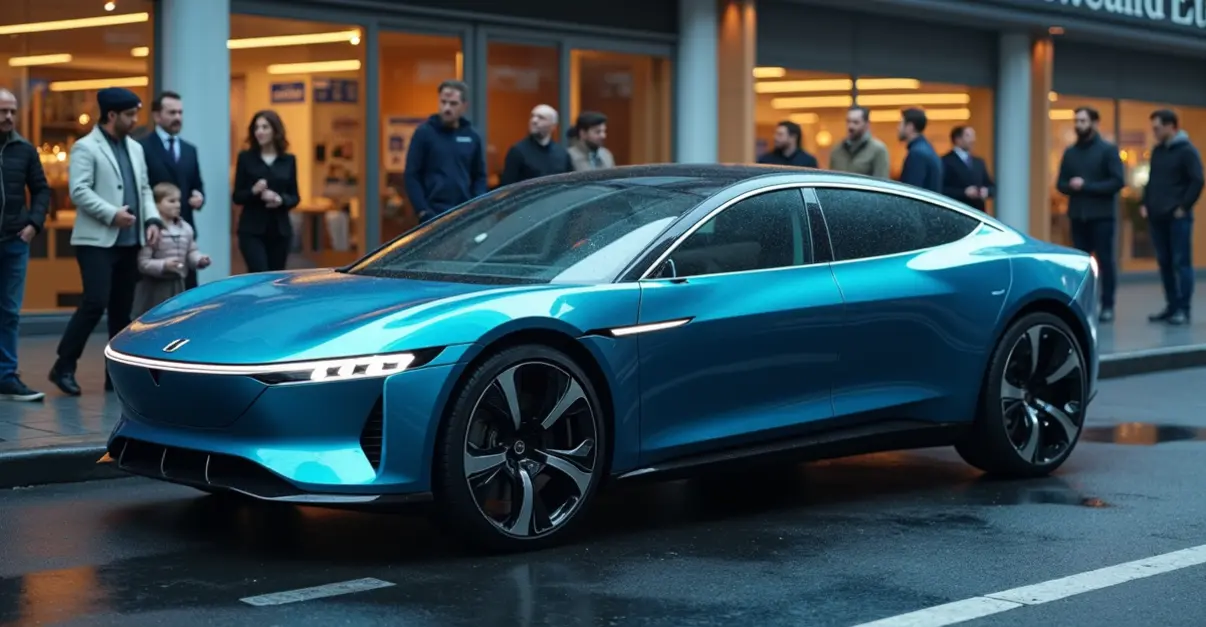
In Paris, Citroën unveiled a modern electric reinterpretation of the classic 2CV, one of France's most beloved cars. The new model, developed under parent company Stellantis, combines retro styling with a compact EV powertrain aimed at urban buyers. "The 2CV is a symbol of French ingenuity and affordable mobility," said Citroën CEO Thierry Koskas. "Bringing it back as an electric vehicle shows that heritage and innovation can go hand in hand."
The electric 2CV is part of Citroën's broader strategy to counter Chinese rivals by offering distinctive European design and competitive pricing. Stellantis has also been renegotiating its Stellantis strategy for the Chinese market while defending its European share.
Impact on European Auto Industry
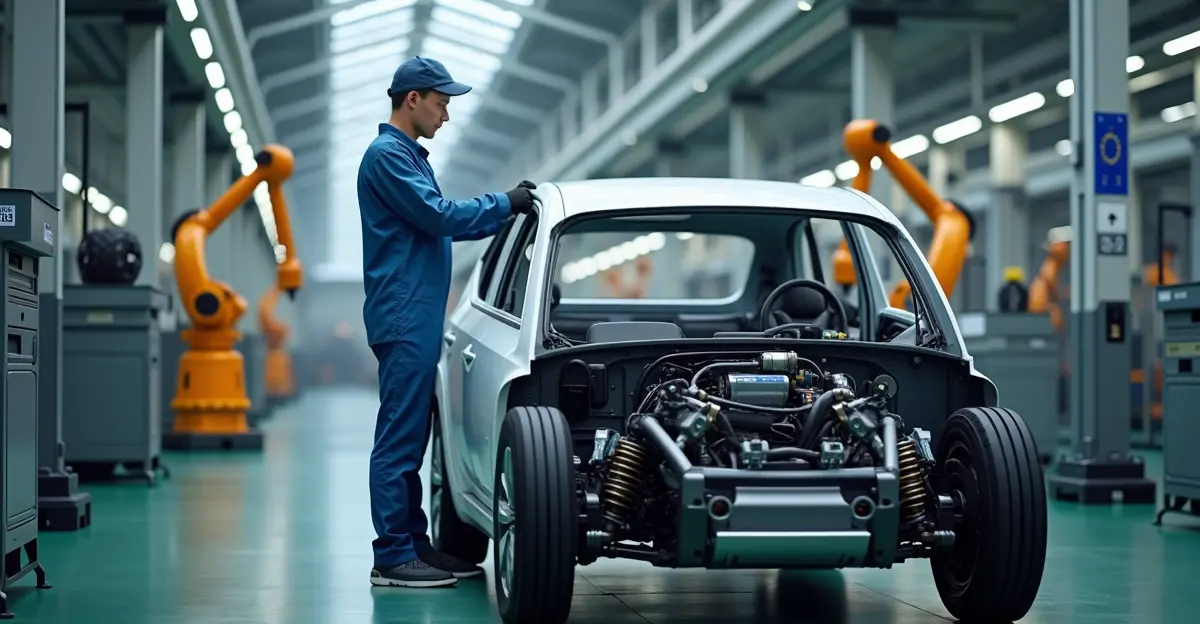
The dual announcements highlight how European carmakers are using both policy and product to respond to Chinese competition. If EU 'Made in Europe' rules are adopted, they could raise costs for Chinese brands that currently import vehicles, while rewarding companies like Volkswagen and Stellantis that maintain European factories. However, critics warn that protectionist measures could trigger retaliation and raise prices for European consumers.
Meanwhile, the revival of iconic models like the 2CV taps into European electric vehicle market nostalgia and could help French carmakers differentiate themselves. The Paris Motor Show, running from 13 to 19 October 2025, is expected to feature dozens of new European EV launches aimed at reclaiming momentum from Chinese competitors.
FAQ: EU 'Made in Europe' Rules and the Electric 2CV
What are EU 'Made in Europe' rules for electric vehicles?
They are proposed requirements that a certain share of a vehicle's components, assembly or value creation must occur in Europe to qualify for EU market access or incentives.
Why is Volkswagen backing 'Made in Europe' rules?
Volkswagen CEO Oliver Blume says the rules would reward real European value creation and help level the playing field against lower-priced Chinese EV brands.
When will Citroën launch the electric 2CV?
Citroën has unveiled the electric 2CV concept at the 2025 Paris Motor Show, with production expected within two to three years, though no exact date has been confirmed.
How much are EU tariffs on Chinese electric vehicles?
The EU imposed countervailing duties of up to 45.3% on Chinese EVs in late 2024, but Chinese brands still maintain a price advantage in several segments.
Conclusion
As Chinese EV brands continue their European expansion, Volkswagen and Citroën are betting that a combination of EU industrial policy and heritage-inspired products can preserve Europe's automotive leadership. Whether these moves succeed will depend on the final shape of the 'Made in Europe' rules and how quickly European carmakers can deliver affordable, desirable EVs to showrooms.
Follow Discussion