

 Deutsch
 English
 Español
 Français
 Nederlands
 Português

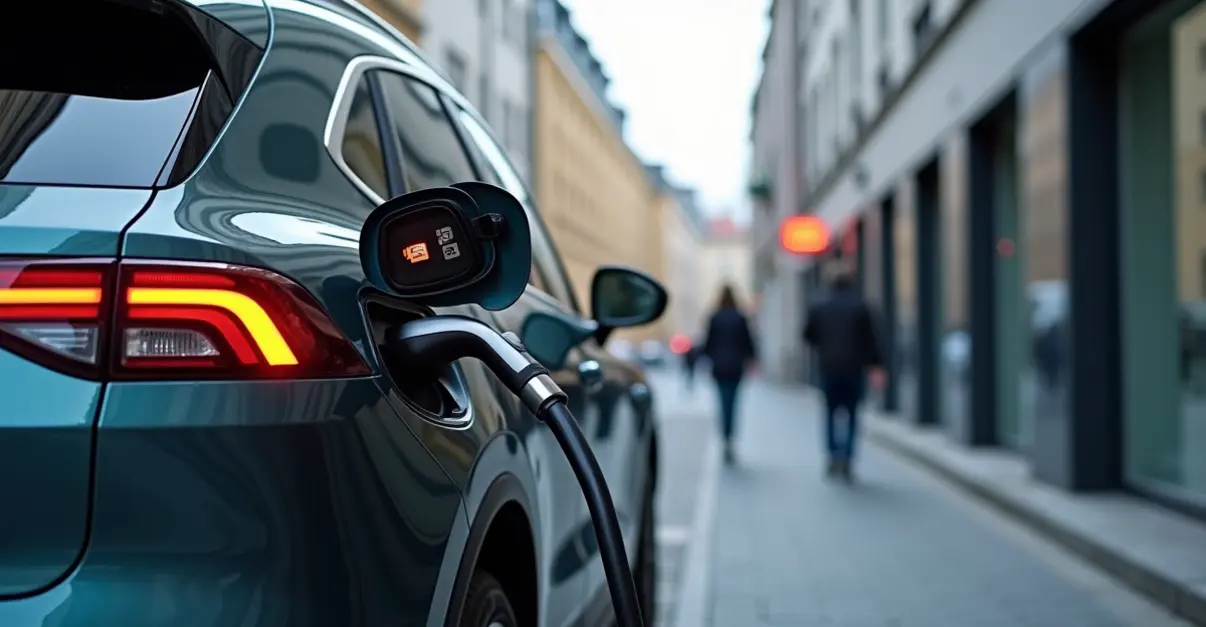





Germany Revives Electric Vehicle Subsidies with Major Funding Boost
Germany has launched a comprehensive €3 billion electric vehicle subsidy program that will provide German consumers with between €1,500 and €6,000 per vehicle purchased. The program, announced by Environment Minister Carsten Schneider, represents a significant policy reversal for Chancellor Friedrich Merz's government, which previously led efforts to weaken European electric vehicle ambitions.
Income-Based Subsidies with Retroactive Effect
The subsidy amounts will vary based on household income, family size, and vehicle type, with the program applying retroactively from January 1, 2026. 'This will give a boost to the sector,' Schneider stated, emphasizing the government's commitment to supporting Germany's automotive industry. The program also includes plug-in hybrids that meet specific emission standards and have a minimum electric range of 80 kilometers.
According to industry reports, the funding is expected to support approximately 800,000 electric vehicle sales over the next three to four years. The program comes after Germany abruptly ended its previous subsidy scheme in December 2023 due to budget constraints.
Strategic Shift in German Automotive Policy
The announcement marks a notable shift for Chancellor Merz, who previously argued that Germany should become a leader in electric mobility while simultaneously working to weaken European Union regulations. Last year, Germany successfully lobbied to soften EU legislation that would have banned combustion engine vehicles by 2035, reducing the target to a 90% CO2 reduction instead.
'We need to support our automotive industry while making electric vehicles accessible to middle-income families,' a government spokesperson explained. The program specifically targets households with taxable incomes below €80,000-€90,000, with additional bonuses for families with children.
Competition with Chinese and American Manufacturers
The subsidy program arrives at a critical time for Germany's automotive sector, which faces increasing competition from Chinese electric vehicle manufacturers and American companies like Tesla. According to market analysis, Chinese automakers are expanding aggressively into European markets, with BYD opening a factory in Hungary in 2026.
Environment Minister Schneider noted that about 80% of new electric vehicles registered in Germany in 2025 were manufactured in Europe, addressing concerns about the program potentially benefiting foreign competitors. However, specific details about whether subsidies will be limited to German or European brands remain unclear.
Implementation Challenges and Industry Response
The program's announcement was delayed as coalition partners within Merz's government continued negotiations over implementation details. A scheduled press conference was postponed until after the weekend, indicating ongoing discussions about the program's structure.
Automotive industry representatives have welcomed the initiative. 'This is exactly the kind of support our industry needs to compete globally,' said a spokesperson for Germany's automotive association. The funding comes from Germany's Climate & Transformation Fund and the EU Social Climate Fund, avoiding new federal budget deficits.
The program represents Germany's latest attempt to balance environmental goals with industrial policy, as the country seeks to maintain its position as Europe's automotive leader while transitioning to electric mobility.

Follow Discussion