Nederlands
 English
 Deutsch
 Français
 Español
 Português





City Takes Major Step Toward Zero-Emission Public Transport
In a landmark decision for urban sustainability, city officials have awarded a comprehensive contract for the procurement of a new electric bus fleet, marking a significant shift toward cleaner public transportation. The multi-million dollar agreement encompasses not just vehicle acquisition but also extensive depot upgrades, specialized operator training, and promises substantial emission reductions that align with ambitious climate goals.
Vehicle Specifications and Fleet Details
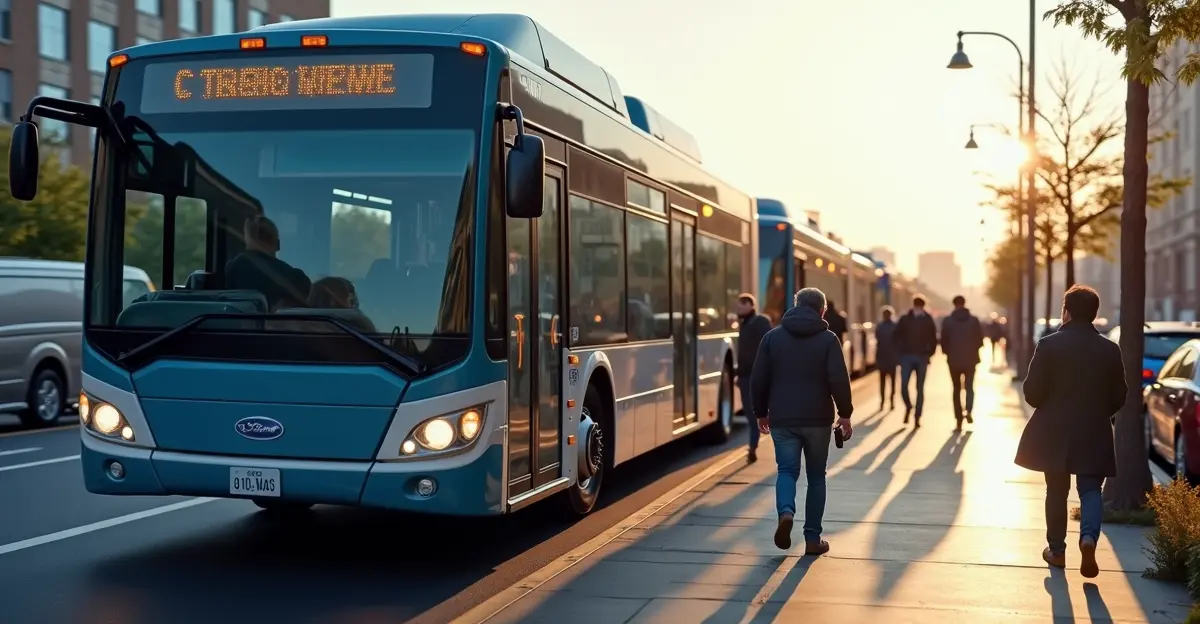
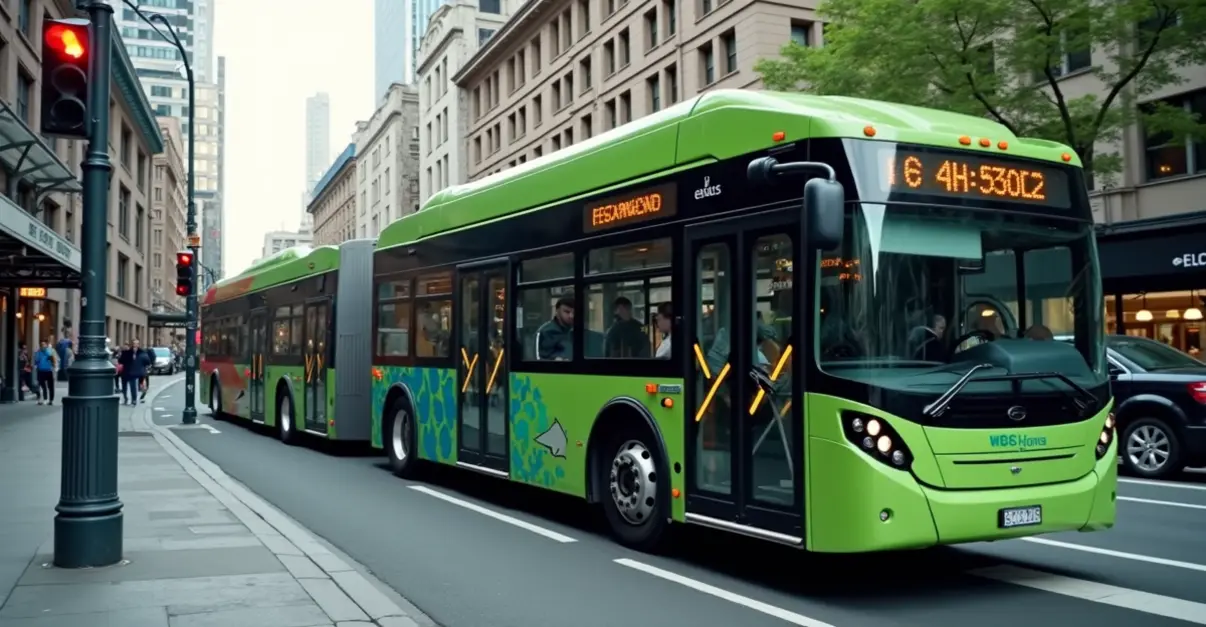
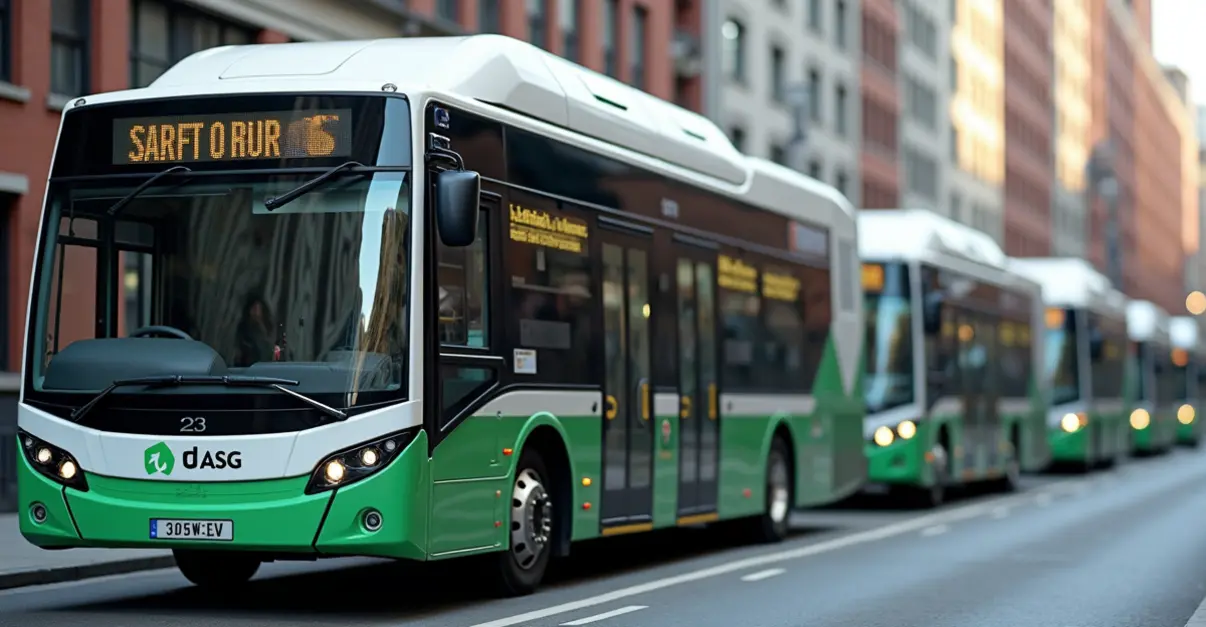
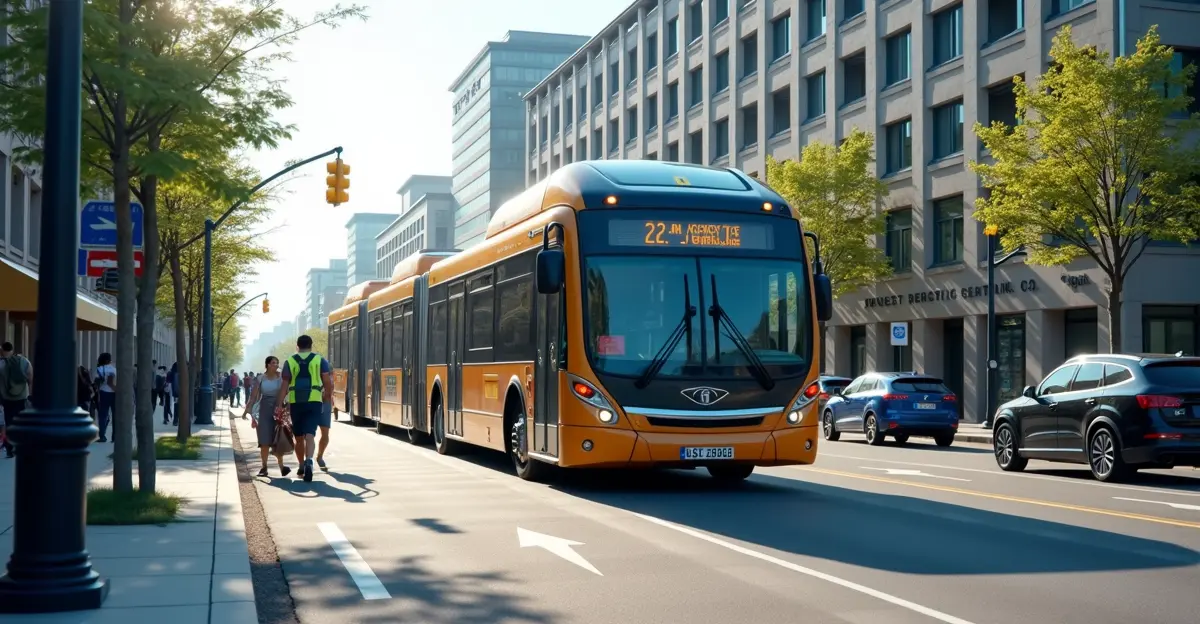
The contract calls for the purchase of 75 battery-electric buses with advanced specifications designed for urban transit needs. Each bus will feature a minimum range of 350 kilometers on a single charge, addressing range anxiety concerns that have historically slowed electric bus adoption. The vehicles will utilize lithium-ion battery technology with fast-charging capabilities, allowing for opportunity charging at bus terminals and along routes.
According to transportation officials, the buses will include regenerative braking systems that capture kinetic energy during deceleration, improving overall efficiency by up to 30% compared to conventional diesel buses. 'These aren't just electric versions of our old buses—they represent a complete rethinking of urban transit technology,' said Mia Chen, the project's lead coordinator. 'The aluminum construction reduces weight by approximately 3,000 kilograms compared to steel buses, which translates to better energy efficiency and reduced wear on infrastructure.'
Depot Infrastructure Overhaul
A critical component of the contract involves comprehensive upgrades to the city's main transit depot. The facility will be transformed into a state-of-the-art charging hub capable of supporting the entire electric fleet. Plans include installation of 50 high-power charging stations with capacities ranging from 150 kW to 450 kW, along with necessary electrical infrastructure upgrades to handle the increased power demand.
The depot modernization follows guidelines from the C40 Knowledge Hub, which provides frameworks for cities transitioning to zero-emission fleets. Electrical engineers will implement smart grid technology to optimize charging schedules during off-peak hours, reducing strain on the local power grid and potentially lowering electricity costs.
Operator Training and Workforce Development
Recognizing that new technology requires new skills, the contract mandates extensive training programs for approximately 150 bus operators and maintenance personnel. The training curriculum covers electric vehicle operation, charging procedures, battery management, and safety protocols specific to high-voltage systems.
'Our operators need to understand these vehicles inside and out,' explained Chen. 'We're developing a certification program that ensures every driver can maximize the efficiency of these buses while maintaining the highest safety standards. This represents a significant investment in our workforce's future capabilities.'
The training initiative aligns with broader workforce development goals, creating specialized technical roles that didn't previously exist in the city's transit department. Maintenance technicians will receive certification in electric vehicle diagnostics and repair, ensuring the fleet remains operational with minimal downtime.
Environmental Impact and Emission Savings
City officials project that the electric bus fleet will eliminate approximately 5,000 metric tons of greenhouse gas emissions annually once fully operational. This reduction represents a 90% decrease in carbon emissions from the affected bus routes compared to the current diesel fleet.
The environmental benefits extend beyond carbon reduction. Electric buses produce zero tailpipe emissions, which will significantly improve air quality along busy transit corridors. According to research cited in the New York State Department of Health resources, transitioning to electric buses can reduce particulate matter pollution by up to 98%, offering substantial public health benefits, particularly in environmental justice communities historically burdened by poor air quality.
Funding and Implementation Timeline
The project leverages multiple funding sources, including federal grants from programs like the Federal Transit Administration's Low-No Emission Vehicle Program. The city has also secured matching funds from state climate initiatives, creating a financially sustainable model for the transition.
Implementation will occur in phases over the next three years. The first 25 buses are scheduled for delivery in early 2026, with depot upgrades commencing simultaneously. Full fleet deployment is projected for late 2027, at which point the city expects to achieve its interim goal of converting 30% of its total bus fleet to zero-emission vehicles.
This contract represents part of a broader trend in municipal transportation. As noted in the MTA's zero-emission bus initiative, major transit agencies across North America are committing to complete fleet electrification by 2040, driven by both environmental concerns and long-term operational savings.
The city's approach follows best practices outlined in resources like the ABB E-mobility guide for successful grant applications and implementation. By addressing vehicle procurement, infrastructure, and workforce development simultaneously, the city aims to create a sustainable model that other municipalities can replicate as they pursue their own clean transportation goals.