Nederlands
 English
 Deutsch
 Français
 Español
 Português
Major electric bus procurement contract signed, covering vehicle acquisition, depot upgrades, training programs, and significant emission reductions for sustainable public transport transformation.
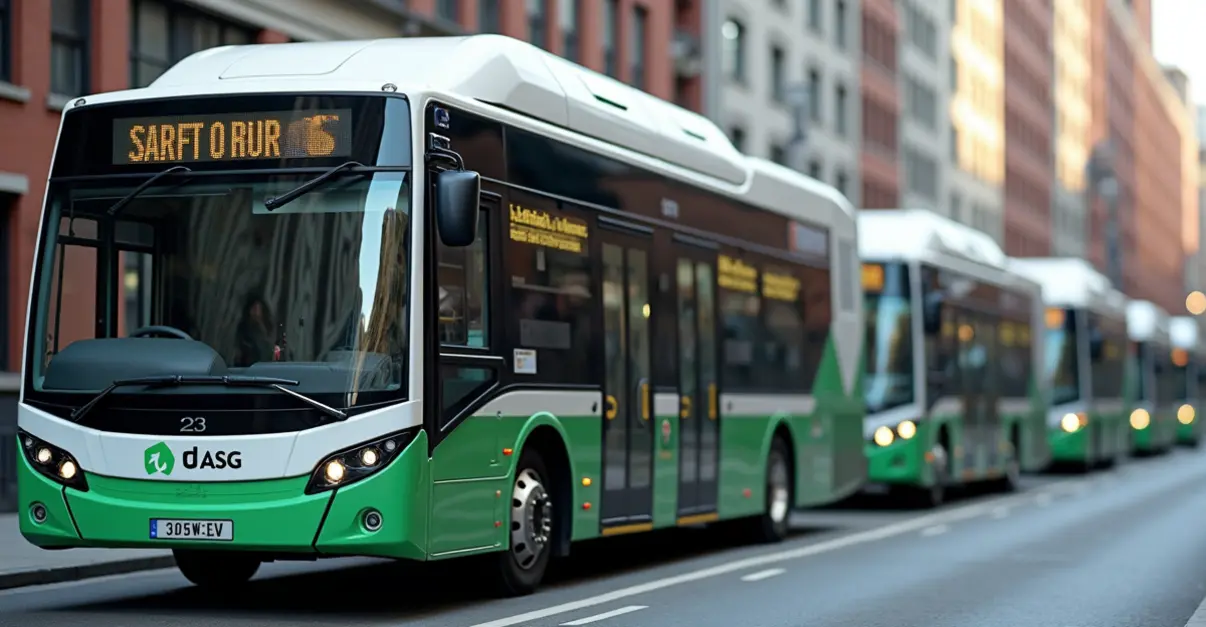
Historic Electric Bus Procurement Deal Finalized
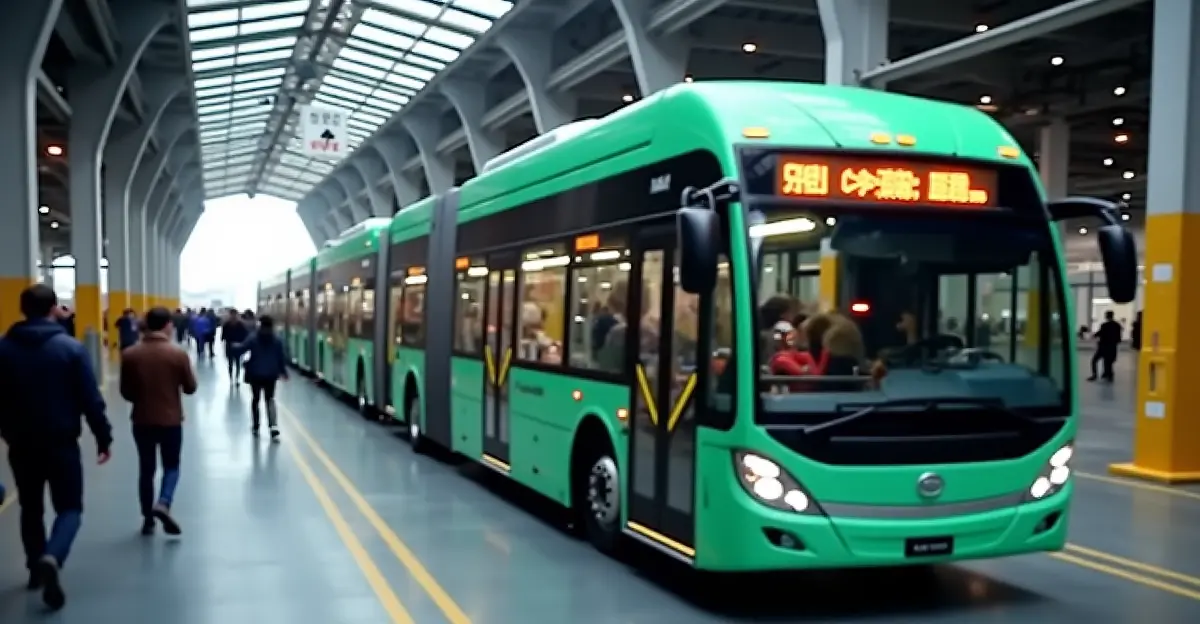
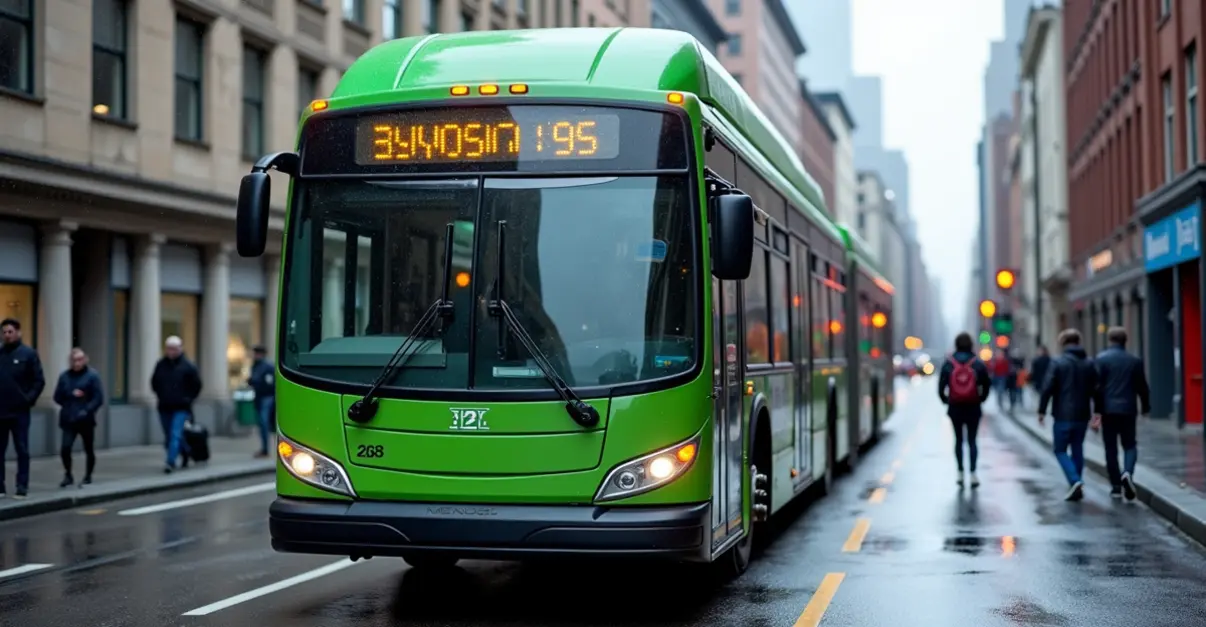
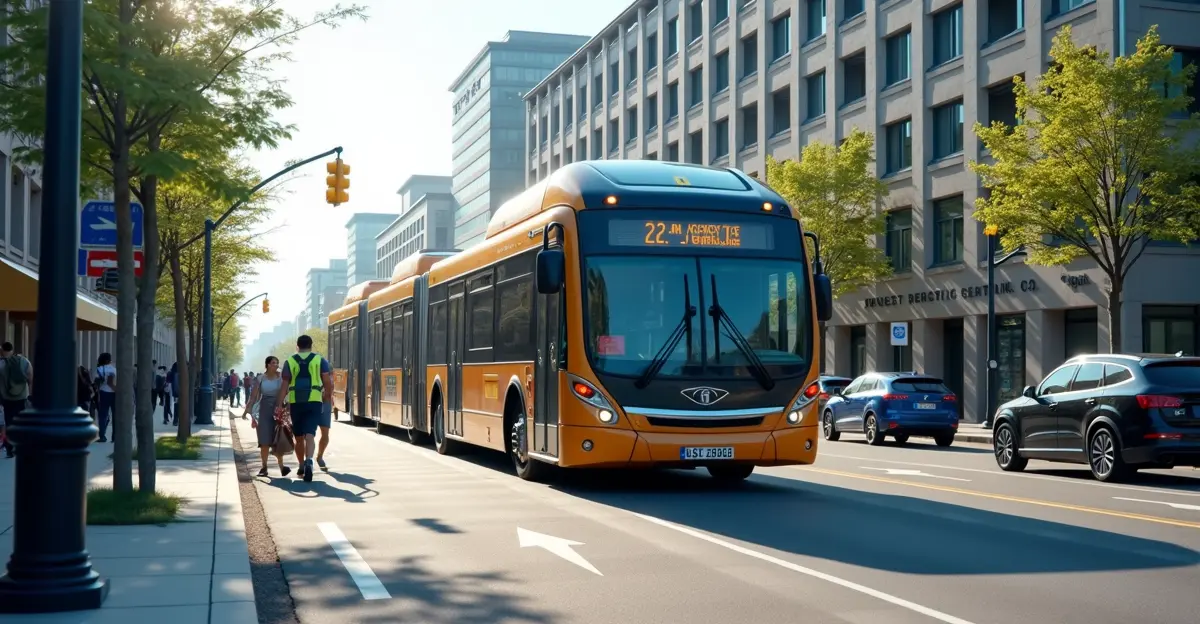
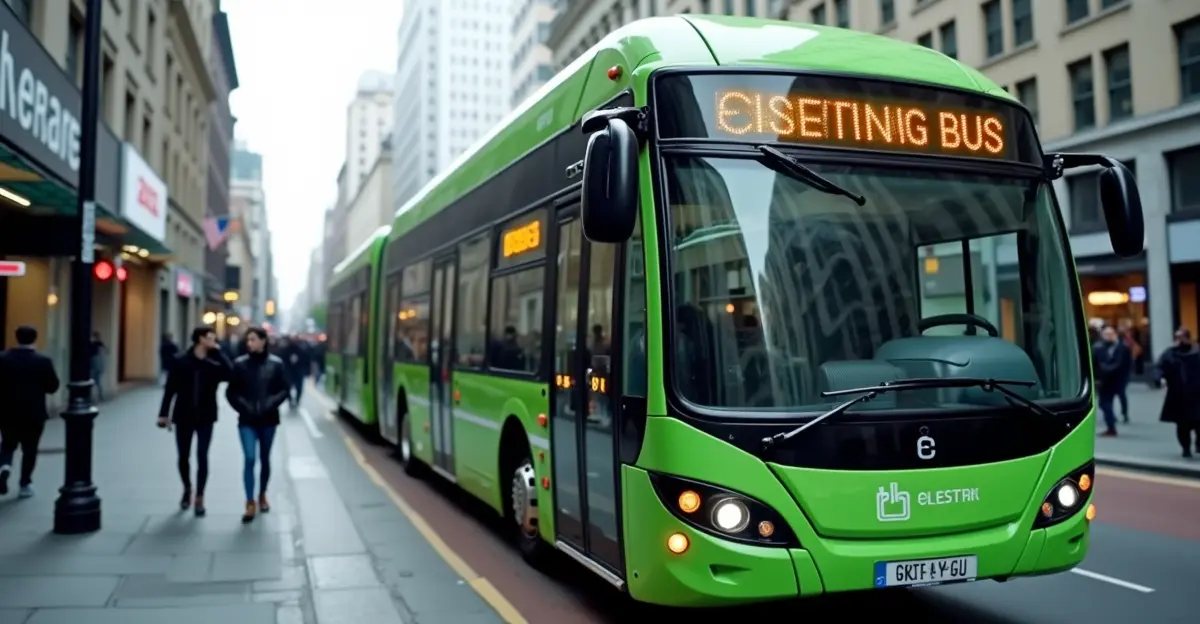
In a landmark move for sustainable public transportation, a major electric bus fleet procurement contract has been officially signed, marking a significant step toward greener urban mobility. The comprehensive agreement covers not only the acquisition of state-of-the-art electric buses but also includes substantial depot upgrades, specialized training programs, and promises substantial emission reductions across the transportation network.
Vehicle Specifications and Technical Details
The newly procured electric buses feature cutting-edge battery technology capable of ranges exceeding 350 kilometers on a single charge, according to industry standards. These vehicles utilize advanced regenerative braking systems that capture kinetic energy during deceleration, significantly improving efficiency and reducing brake wear. 'The battery electric bus is superior to diesel buses as it can recharge most of the kinetic energy back into batteries during braking,' explains transportation engineer Maria Rodriguez from the Federal Transit Administration.
The buses incorporate lightweight aluminum construction, reducing overall weight by approximately 3,000 kilograms compared to traditional steel buses. This weight reduction translates to better energy efficiency and lower operational costs over the vehicle's lifespan. The onboard charging systems support both opportunity charging at bus stops and overnight depot charging, with power levels ranging from 50 kW to 450 kW depending on the charging scenario.
Depot Infrastructure Upgrades
Significant infrastructure investments accompany the bus procurement, with multiple depots scheduled for comprehensive upgrades to support the electric fleet. The modernization includes installation of high-capacity charging stations, power distribution upgrades, and implementation of smart energy management systems. 'We're not just buying buses; we're building the infrastructure for a sustainable transportation future,' stated project manager David Chen during the contract signing ceremony.
The depot upgrades align with emerging standards for electric bus facilities, incorporating renewable energy integration where feasible. According to the 2025 Renewable Powered Electric Bus Depot Design and Strategies document, modern depots increasingly incorporate solar power generation and energy storage systems to optimize operational costs and environmental benefits.
Comprehensive Training Programs
A critical component of the procurement contract involves extensive training programs for maintenance staff, drivers, and operational personnel. The training curriculum covers electric vehicle maintenance protocols, battery safety procedures, charging infrastructure operation, and emergency response protocols specific to electric buses. 'Proper training is essential for the successful integration of electric buses into our existing fleet,' emphasized training coordinator Sarah Johnson. 'Our drivers and technicians need to understand the unique characteristics and requirements of these advanced vehicles.'
The training initiative includes both classroom instruction and hands-on workshops, with certification programs developed in collaboration with electric bus manufacturers and industry experts. The program aims to ensure seamless transition from conventional diesel operations to electric vehicle management while maintaining service reliability and safety standards.
Projected Environmental Benefits
The transition to electric buses promises substantial environmental improvements, with projections indicating significant reductions in greenhouse gas emissions and air pollutants. Based on data from the MTA's zero-emission bus fleet initiative, similar electric bus deployments have demonstrated the elimination of over 500,000 metric tons of greenhouse gas emissions annually when replacing conventional diesel fleets.
Beyond carbon reduction, the electric buses will contribute to improved urban air quality, particularly in densely populated areas and environmental justice communities historically burdened by transportation-related pollution. 'This represents a major step forward in our commitment to cleaner air and healthier communities,' commented environmental advocate Dr. Michael Thompson. 'The quiet operation of electric buses also reduces noise pollution, creating more pleasant urban environments.'
Implementation Timeline and Next Steps
The procurement contract outlines a phased implementation approach, with initial bus deliveries scheduled to begin within the next six months. The complete fleet transition is projected to occur over a multi-year period, allowing for systematic infrastructure development and staff training. The phased approach mirrors successful electric bus deployments in other jurisdictions, such as California's mandate for 100% zero-emission public transit fleets by 2040.
As the transportation sector continues its electrification journey, this contract serves as a model for other municipalities considering similar transitions. The comprehensive approach addressing vehicles, infrastructure, and human capital provides a blueprint for successful electric bus integration into public transportation systems worldwide.