Nederlands
 English
 Deutsch
 Français
 Español
 Português
City awards $180M electric bus contract to Green Transit Consortium for 150 vehicles, depot upgrades, charging infrastructure, and training programs, aiming to reduce emissions by 10,500 metric tons annually by 2028.
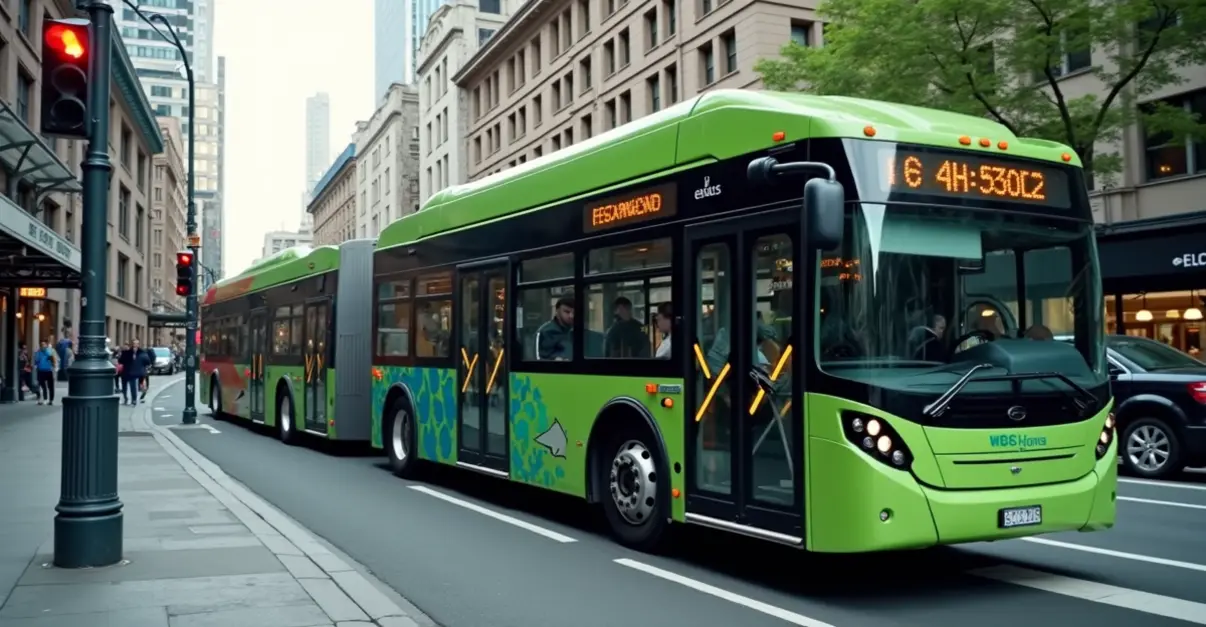
City Awards Major Electric Bus Contract to Green Transit Consortium
In a landmark move for urban sustainability, the city has awarded a comprehensive electric bus contract to the Green Transit Consortium, marking a significant step toward modernizing public transportation and reducing carbon emissions. The multi-year agreement includes depot upgrades, vehicle specifications, comprehensive training programs, and a detailed emission reduction timeline that aims to transform the city's bus fleet by 2030.
Contract Details and Consortium Partnership
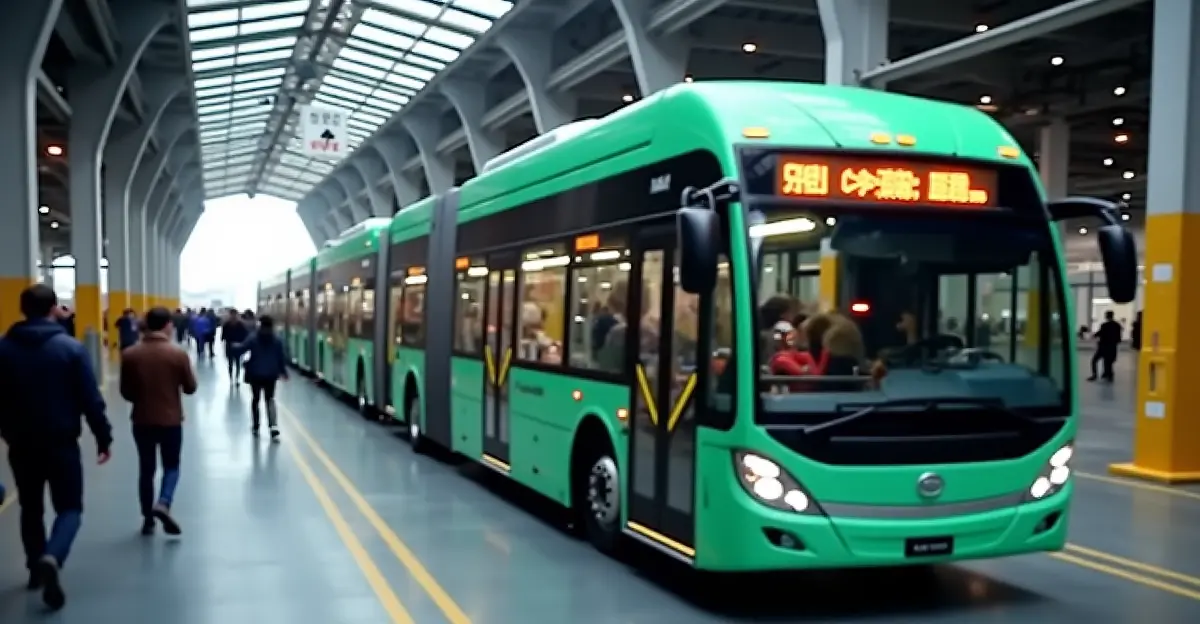
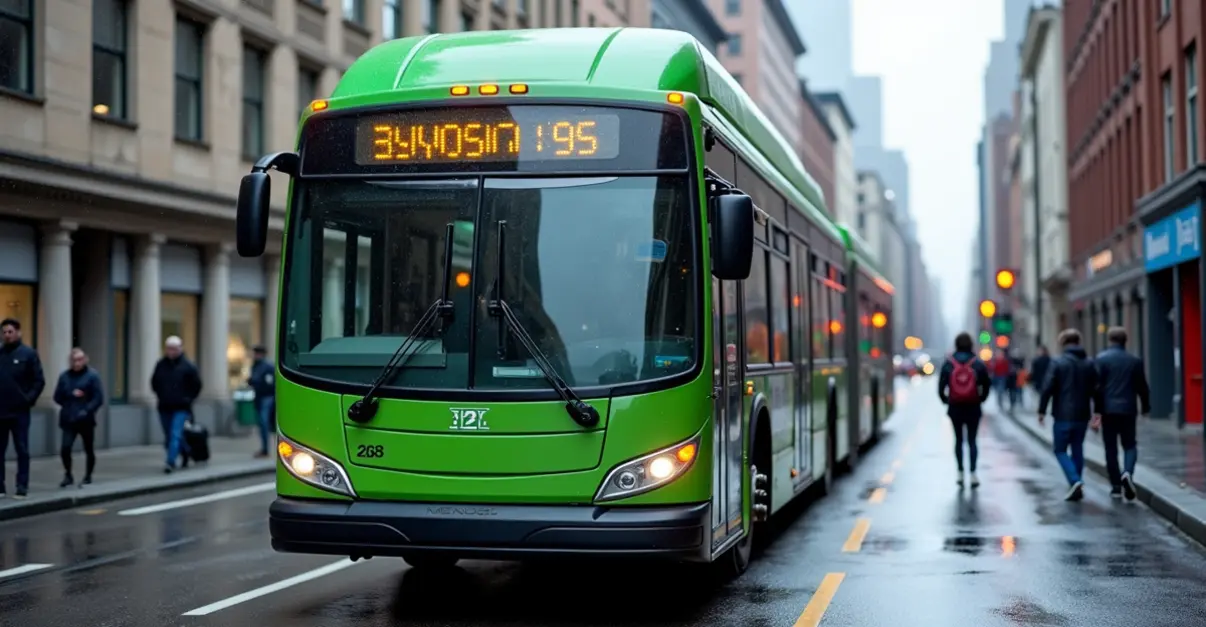
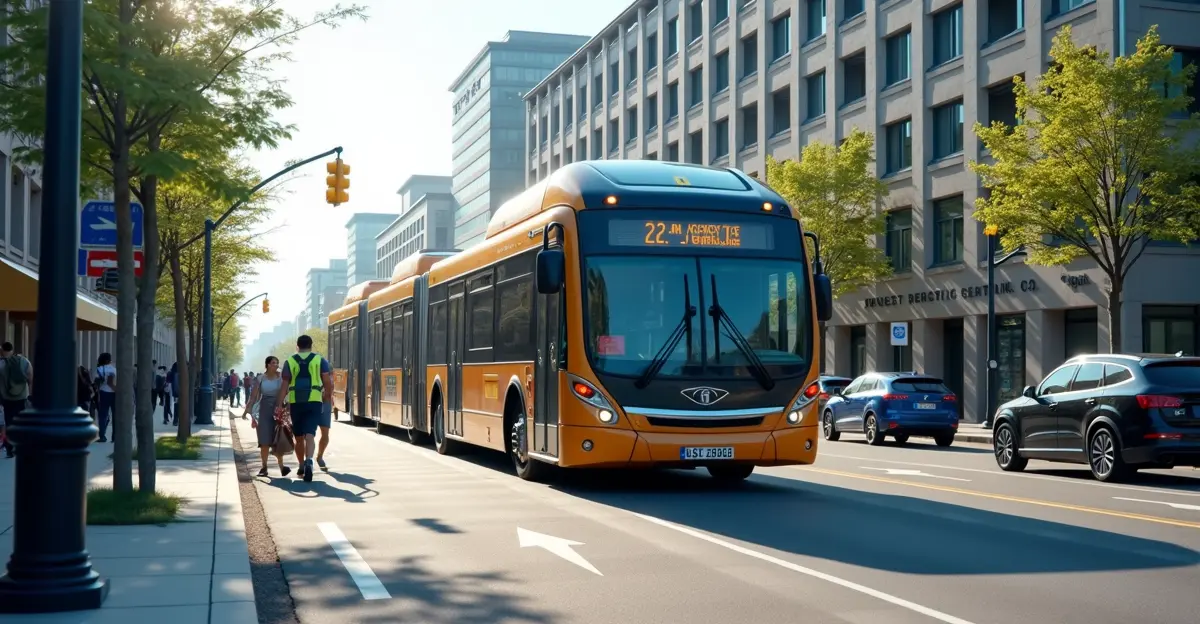
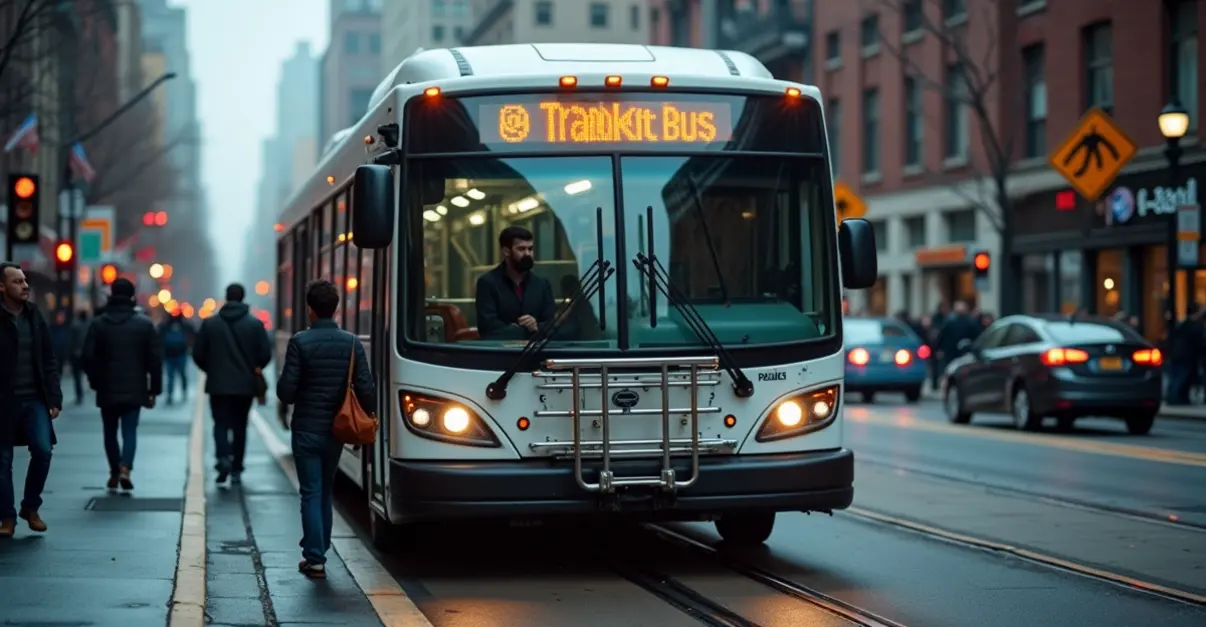
The Green Transit Consortium, comprising leading electric vehicle manufacturers, infrastructure developers, and technology firms, secured the contract after a competitive bidding process. The consortium will deliver 150 new battery-electric buses over the next three years, with the first 50 vehicles expected to hit city streets by late 2025. 'This partnership represents a transformative moment for our city's public transportation system,' said Mayor Sarah Johnson. 'We're not just buying buses—we're investing in cleaner air, quieter streets, and a sustainable future for all residents.'
The contract value, estimated at $180 million, includes not only the buses themselves but also the necessary charging infrastructure, depot upgrades, and extensive training programs for drivers and maintenance staff. This holistic approach addresses one of the key challenges in electric bus adoption: ensuring that the entire ecosystem is prepared for the transition.
Depot Upgrades and Charging Infrastructure
A critical component of the contract involves upgrading three existing bus depots to accommodate electric vehicles. These upgrades include installing 75 high-power charging stations, upgrading electrical substations to handle increased power demands, and implementing smart energy management systems. The charging infrastructure will support both overnight depot charging and opportunity charging during the day at key transit hubs.
According to the Alternative Fuels Data Center, proper charging infrastructure planning is essential for successful electric bus deployment. The consortium's approach follows best practices outlined in federal guidelines, including load management strategies to minimize peak demand charges and ensure grid stability.
Vehicle Specifications and Performance Standards
The new electric buses will feature advanced lithium-ion battery technology with a minimum range of 200 miles on a single charge—sufficient for most daily routes without requiring midday charging. Each bus will be equipped with regenerative braking systems, climate control optimized for energy efficiency, and accessibility features meeting the latest ADA standards.
'Our vehicles are designed specifically for urban transit environments,' explained Maria Rodriguez, CEO of ElectraMotion, a consortium member. 'They offer not only zero emissions but also reduced noise pollution and lower operating costs compared to diesel counterparts. The buses include real-time monitoring systems that provide data on energy consumption, battery health, and maintenance needs.'
Comprehensive Training Programs
The contract mandates extensive training for approximately 300 drivers and 75 maintenance technicians. Training programs will cover electric vehicle operation, charging procedures, safety protocols, and basic troubleshooting. The consortium will establish a dedicated training center at one of the upgraded depots, featuring classroom instruction and hands-on experience with the new buses.
This training component addresses a common barrier to electric bus adoption identified by transit agencies nationwide. As noted in resources from the Joint Office of Energy and Transportation, proper workforce training is crucial for successful fleet electrification. The city's transit authority will work closely with local technical colleges to develop certification programs that create career pathways in green transportation technology.
Emission Reduction Timeline and Environmental Impact
The contract includes a detailed timeline for emission reductions, with measurable targets at each phase of implementation. By 2026, the first 50 electric buses are projected to reduce annual CO2 emissions by approximately 3,500 metric tons. When all 150 buses are operational by 2028, the reduction is expected to reach 10,500 metric tons annually—equivalent to removing 2,300 passenger vehicles from city roads.
This initiative aligns with broader federal efforts to transition public transportation to zero-emission vehicles. The Federal Transit Administration is administering over $10.7 billion in bus funding through 2026, including significant allocations for low or no emission bus grants. However, recent funding shifts have seen some prioritization of hybrid and CNG vehicles over fully electric options, making this city's commitment to battery-electric buses particularly noteworthy.
Challenges and Future Outlook
While the contract represents significant progress, challenges remain. The electric bus manufacturing industry faces supply chain constraints, high component costs, and long procurement timelines. Additionally, the city's electrical grid will require ongoing upgrades to support widespread electrification of transportation.
Despite these challenges, city officials express confidence in the project's success. 'This is just the beginning of our green transportation transformation,' said Transportation Commissioner David Chen. 'We're building the foundation for a fully electric bus fleet by 2040, with plans to expand to other vehicle types in coming years. The lessons we learn from this initial deployment will inform our broader sustainability strategy.'
The contract also includes provisions for data sharing and performance monitoring, allowing the city to track energy savings, maintenance costs, and rider satisfaction. This data will be valuable for other municipalities considering similar transitions, contributing to a growing body of knowledge about electric bus implementation in urban environments.