


 Deutsch
 English
 Español
 Français
 Nederlands
 Português


 Share
Share




Africa's Electric Bus Revolution Takes Off
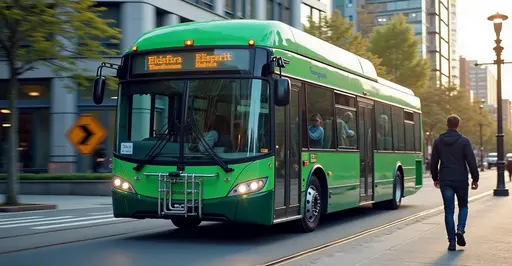
Across Africa, a quiet revolution is underway as countries open electric bus manufacturing plants to transform urban transportation. From Uganda's state-of-the-art Kiira Vehicle Plant to South Africa's pioneering MAN facilities, local production is accelerating the continent's shift toward sustainable mobility.
Uganda's Manufacturing Milestone
President Yoweri Museveni recently commissioned Africa's largest electric bus manufacturing plant in Jinja, Uganda, marking a historic achievement for the nation's industrial development. The Kiira Vehicle Plant represents the culmination of a 14-year journey that began when Makerere University unveiled Africa's first electric vehicle in 2011. 'This facility positions Uganda as a leader in Africa's green industrial revolution,' President Museveni stated during the opening ceremony.
The Jinja facility features advanced workshops including Body Shop, Paint Shop, Chassis Systems Shop, and a dedicated Test Track. With an initial capacity of 2,500 vehicles per year, the plant will produce Kayoola EVS electric city buses and coaches equipped with modern amenities like Wi-Fi and USB charging ports. The project aims for 65% local content and is projected to create over 14,000 jobs while saving Uganda significant foreign exchange from vehicle imports, which currently cost the country $800 million annually.
South Africa's Green Manufacturing Push
Meanwhile, South Africa is making history with MAN Truck & Bus becoming the first automotive company in the Southern African Development Community region to manufacture electric buses. The German company has invested R48 million in upgrading its Pinetown and Olifantsfontein plants, creating South Africa's first carbon dioxide-neutral production facility.
'We're proud to lead the transition to sustainable mobility in Southern Africa,' said a MAN spokesperson. The Pinetown plant manufactures chassis while Olifantsfontein produces bus bodies using 95% locally sourced parts. The company's solar system generates 800 megawatts annually, exceeding plant consumption and feeding 484 megawatts back to the city grid.
Market Growth and Regional Expansion
Africa's electric bus market is experiencing explosive growth, projected to expand at a 14.10% CAGR from 2025-2034, reaching $5.98 billion by 2034 from a $1.60 billion market in 2024. Battery electric vehicles dominate due to zero tailpipe emissions and lower operational costs.
Major developments span the continent: Ethiopia has deployed approximately 100 locally-assembled electric buses in Addis Ababa; Kenya and Rwanda have around 100 e-buses through BasiGo; Senegal's Dakar BRT plans 144 articulated electric buses; and Côte d'Ivoire's Abidjan BRT includes over 100 electric buses. Egypt is launching an inter-city electric bus fleet through a €10.6 million EBRD loan to Go Bus for Transport.
Environmental and Economic Benefits
The shift to local electric bus manufacturing addresses multiple challenges simultaneously. 'Local production not only creates jobs but also reduces our dependence on imported vehicles and supports our climate goals,' noted a transportation official from Uganda.
Electric buses offer significant environmental advantages, reducing urban air pollution and noise levels while supporting countries' commitments to emissions reduction targets. The operational cost savings are substantial too - electric buses typically have lower maintenance costs and reduced fuel expenses compared to diesel counterparts.
As Carlos Mendez, an industry observer, commented: 'What we're seeing across Africa is a strategic move toward self-sufficiency in public transportation. These manufacturing plants represent more than just factories - they're hubs of innovation that will drive economic development while cleaning up our cities.'
The continent's electric bus revolution is just beginning, with hundreds of buses already operating and commitments for thousands more in the pipeline. As more countries join this movement, Africa is positioning itself as a global leader in sustainable urban transportation solutions.
Follow Discussion