


 Deutsch
 English
 Español
 Français
 Nederlands
 Português


 Share
Share




Transit Agencies Secure Landmark Electric Bus Contract for 2026 Rollout
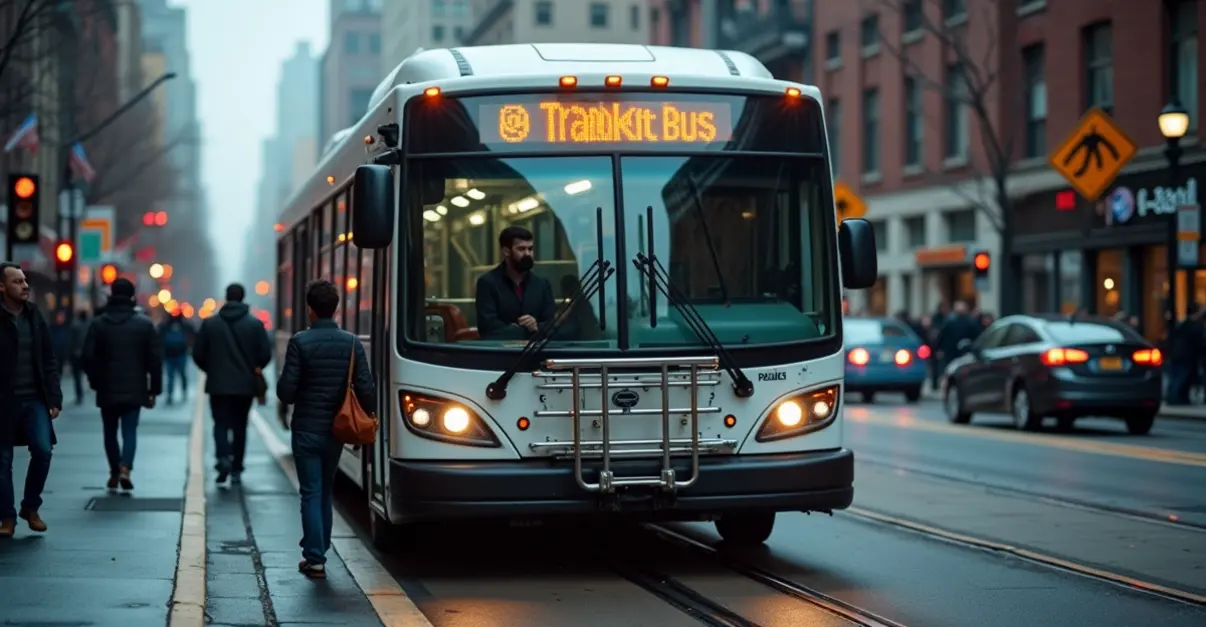
In a groundbreaking move for public transportation, several major transit agencies have finalized a comprehensive contract for a large-scale electric bus fleet deployment set to begin in 2026. The deal represents one of the most significant zero-emission transit investments in recent years, addressing vehicle specifications, depot infrastructure upgrades, driver training programs, and anticipated emissions benefits.
Vehicle Specifications and Performance
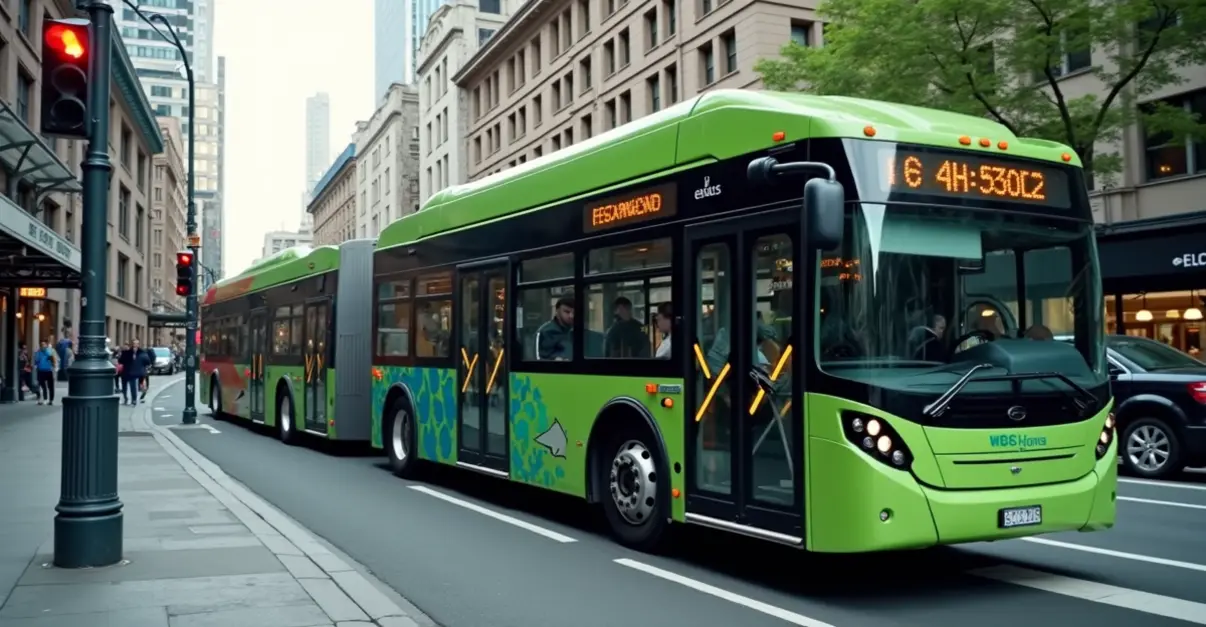
The contract includes procurement of next-generation electric buses featuring advanced battery technology with ranges exceeding 130 miles per charge. According to industry specifications, these buses will utilize battery packs ranging from 196 kWh to 252 kWh capacity, with models from leading manufacturers like Blue Bird Corporation, Thomas Built Buses, and Lion Electric. 'The 2026 models represent a quantum leap in electric bus technology,' says transit consultant Mark Johnson. 'We're seeing ranges that can handle full daily routes without midday charging, which was a major limitation just two years ago.'
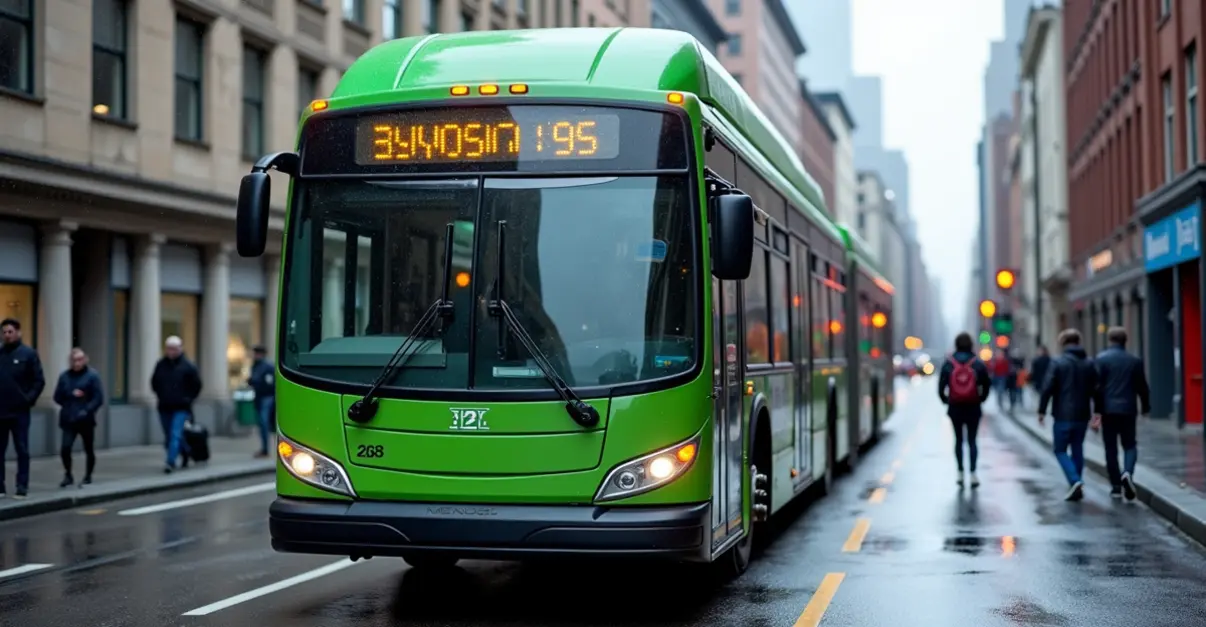
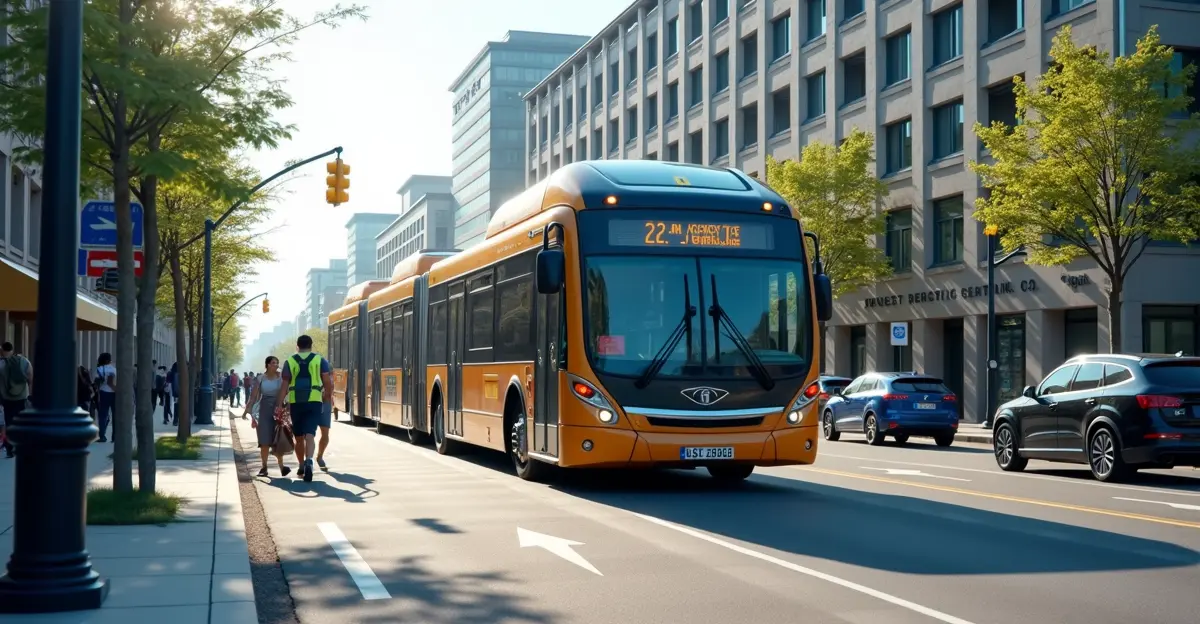
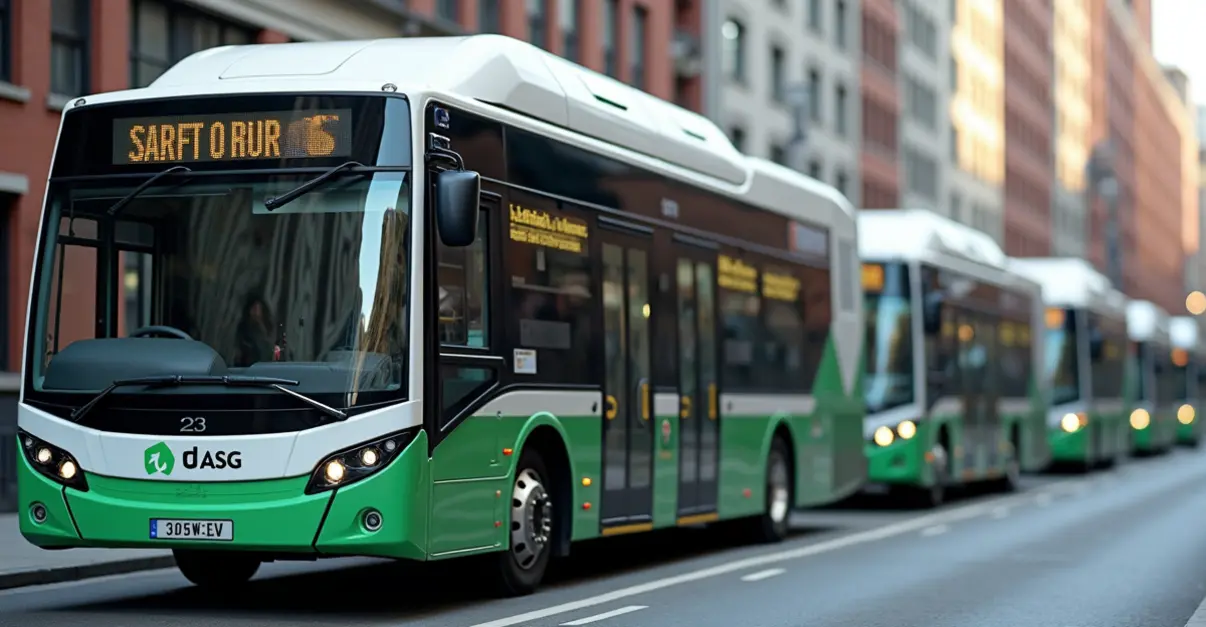
The buses will feature regenerative braking systems that capture kinetic energy during deceleration, aluminum construction for reduced weight, and advanced thermal management systems for optimal battery performance in varying climates. With zero tailpipe emissions, these vehicles promise to transform urban air quality while offering significantly reduced maintenance requirements compared to diesel counterparts.
Depot Infrastructure Overhaul
A critical component of the contract involves comprehensive depot upgrades to support the new electric fleet. Transit agencies are investing in charging infrastructure that includes both overnight depot charging and opportunity charging systems. 'The infrastructure challenge is monumental,' notes infrastructure specialist Sarah Chen. 'We're not just installing chargers—we're reimagining entire depot operations, electrical systems, and energy management protocols.'
The upgrades include high-power charging stations capable of delivering up to 600 kW, smart grid integration, and in some cases, renewable energy systems like solar canopies. According to a 2025 report from Changing Transport, successful depot electrification requires 18-24 months of planning and implementation. The contract allocates substantial resources for electrical assessments, grid upgrades, and future-proof infrastructure that can accommodate emerging technologies like vehicle-to-grid (V2G) capabilities.
Comprehensive Driver and Technician Training
Recognizing that workforce development is crucial for successful electrification, the contract includes extensive training programs for both drivers and maintenance personnel. 'This isn't just about driving a different vehicle—it's about understanding new systems, charging protocols, and safety procedures,' explains training coordinator Lisa Rodriguez.
Driver training will focus on range optimization, regenerative braking techniques, and charging procedures, while maintenance technicians will receive specialized instruction in high-voltage safety, battery management systems, and electric motor diagnostics. According to a 2026 fleet readiness case study, 61% of maintenance teams currently feel unprepared for electric bus maintenance, highlighting the importance of these training initiatives.
The Federal Transit Administration's Transit Workforce Center, established in 2021, will provide technical assistance for apprenticeship programs and specialized training. 'We're building a new generation of transit professionals,' says workforce development director Michael Thompson. 'These skills will be essential as electric buses become the standard across North America.'
Environmental and Health Benefits
The emissions reduction potential of this large-scale electrification is substantial. Each electric bus eliminates approximately 1,690 tons of CO2 equivalents over its 12-year lifespan compared to diesel models. Beyond greenhouse gases, the transition will dramatically reduce local air pollutants like nitrogen oxides (NOx) and particulate matter (PM2.5), which are linked to respiratory illnesses and cardiovascular problems.
'The health benefits for urban communities cannot be overstated,' states public health researcher Dr. Elena Martinez. 'Children, the elderly, and those with pre-existing conditions will experience measurable improvements in air quality, particularly near bus routes and depots.'
The contract aligns with federal initiatives like the EPA's Clean School Bus Program, which has allocated $5 billion for zero-emission bus adoption through 2026. With only 2% of large urban transit buses currently being zero-emission vehicles, this contract represents a significant step toward the projected tripling of electric buses by 2030.
Financial and Operational Considerations
While upfront costs for electric buses and infrastructure are higher than conventional options, the total cost of ownership analysis shows long-term savings. Electric buses eliminate approximately 30-40% of routine maintenance costs associated with diesel engines, including oil changes, fuel system maintenance, and exhaust system repairs.
The $5.6 billion in federal Low-No emission bus funding available through 2026 will help offset initial investments. 'The financial case becomes compelling when you factor in fuel savings, reduced maintenance, and potential revenue from grid services,' explains financial analyst David Kim.
As transit agencies prepare for the 2026 zero-emission bus procurement deadline, this contract serves as a model for comprehensive electrification planning that addresses vehicles, infrastructure, workforce, and community benefits simultaneously.
Follow Discussion